
UX Design Process: 6 Stages to Build Better Products
"A Step-by-Step Guide to Creating Intuitive and Engaging Digital Products Through a Proven UX Design Process"

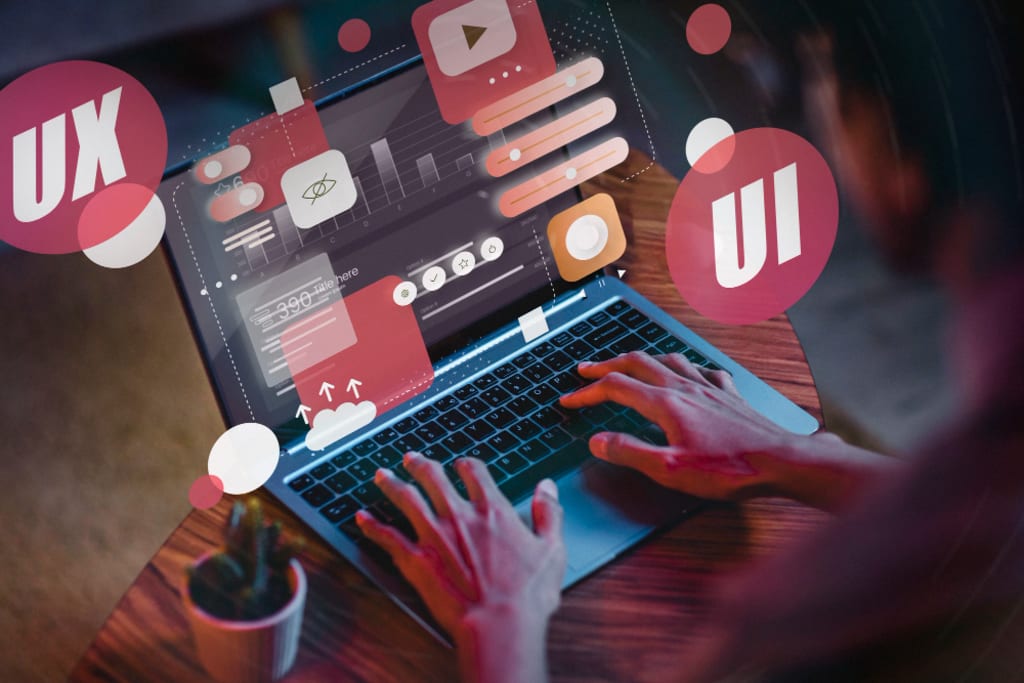
Creating a product that is both functional and enjoyable for users requires a structured UX design process. A well-defined process ensures that user needs are addressed at every stage, resulting in intuitive and successful products. Whether you're developing a website, mobile app, or software platform, following these six stages can significantly improve your product's user experience.
Stage 1: Research and Discovery
The foundation of a successful UX design lies in understanding your target audience. Research and discovery involve gathering insights about user behaviours, needs, and pain points. This stage helps designers make informed decisions based on real data rather than assumptions.
Key Steps in the Research Stage
User Interviews: Conduct one-on-one interviews to gather qualitative insights about user motivations and challenges.
Surveys and Questionnaires: Collect quantitative data to understand user preferences on a larger scale.
Competitor Analysis: Study competitors to identify best practices and potential gaps in the market.
User Personas: Create detailed personas representing different user types to guide design decisions.
By investing time in comprehensive research, designers can align their product vision with actual user needs, ensuring a better final outcome.
Stage 2: Define the Problem
Once research is complete, the next stage is defining the core problem your product aims to solve. Clear problem statements create focus, guiding the design process to meet specific objectives.
How to Define the Problem
Identify recurring pain points uncovered during the research phase.
Craft a concise problem statement that summarises the user's challenge.
Define the desired outcome — what success looks like for the user.
For instance, if your platform aims to simplify online bookings, your problem statement may be: "Users struggle to complete bookings quickly due to a complex navigation system."
This clarity helps align design efforts with solving the right problem.
Stage 3: Ideation and Concept Development
In the ideation stage, designers brainstorm potential solutions to address the defined problem. Creativity plays a crucial role here as teams generate multiple ideas before refining them.
Effective Ideation Techniques
Brainstorming Sessions: Encourage creative thinking by allowing team members to suggest solutions freely.
Mind Mapping: Visualising ideas can help identify connections between concepts.
Sketching and Wireframing: Quick sketches provide a visual reference for different design ideas.
The goal is to explore diverse solutions before narrowing down the most effective ones. Encouraging experimentation and collaboration can often lead to unexpected yet innovative ideas.
Stage 4: Design and Prototyping
The design phase brings concepts to life by creating tangible representations of the product. This is where wireframes, mockups, and interactive prototypes are developed to visualise how the final product will look and function.
Key Design Elements
Wireframes: Simple layouts that outline the structure and functionality of each page.
Mockups: High-fidelity visuals showcasing the design's final look, including colours, typography, and imagery.
Interactive Prototypes: Clickable models that simulate the user experience, allowing stakeholders to test navigation flows and interactions.
Prototyping is especially important for testing design concepts before development. Tools like Figma, Adobe XD, and Sketch allow designers to create functional prototypes that offer realistic user interactions.
Stage 5: Testing and Validation
Testing ensures the product meets user expectations and performs as intended. Usability testing, in particular, is vital to identifying friction points and areas for improvement before the final launch.
Types of Testing for UX Design
Usability Testing: Observing users as they interact with the product to identify pain points.
A/B Testing: Comparing two design variations to determine which performs better.
Accessibility Testing: Ensuring the product is usable for individuals with disabilities.
Gathering user feedback during this phase helps designers identify issues they may have overlooked, ensuring the final product aligns with user needs and expectations.
Stage 6: Implementation and Launch
Once the design has been refined through testing, the final step is to implement and launch the product. Collaboration between designers and developers is crucial to ensure design elements are accurately translated into code.
Key Considerations for Implementation
Maintain open communication with developers to resolve design challenges during coding.
Perform rigorous quality assurance (QA) testing to identify bugs and functionality issues.
Ensure consistency between design mockups and the final product.
Post-launch, it’s essential to monitor user behaviour and gather feedback to refine the product further. Continuous improvement is key to maintaining an optimal user experience.
Bonus Tip: Leveraging UX Design for Conversion Optimisation
An effective UX design doesn’t just improve usability — it also plays a critical role in driving conversions. Edits in layout, button placement, and navigation can drastically impact how users interact with your product.
For instance, businesses investing in conversion rate optimization Malaysia services often see significant improvements in user engagement and sales by enhancing their product’s UX design. By ensuring intuitive navigation, clear CTAs, and streamlined checkout processes, EdTech platforms can improve sign-ups, course enrolments, and overall satisfaction.
Why Partner with a UX Design Agency?
For EdTech companies, collaborating with a professional UX design agency can accelerate product development and enhance user experience. Agencies bring expertise in user research, wireframing, and usability testing — ensuring your platform is both visually appealing and functional.
Whether you're building an online learning platform, mobile app, or SaaS tool, investing in a well-defined UX design process ensures your product aligns with user expectations, drives engagement, and achieves business goals. By following these six stages, you can create intuitive, impactful products that deliver value and foster user loyalty.
About the Creator
Joshua Scott
I am a Freelance Blogger, writer, and model who lives in Los Angeles. I have been writing online for the past 4 years. I love to write articles and blogs on a niche like Pets, Animal, Modeling & Traveling.
Keep reading
More stories from Joshua Scott and writers in Writers and other communities.
Content Marketing Trends: What Works in 2025?
The digital marketing landscape is constantly evolving, and as we step into 2025, content marketing continues to be the backbone of online success. Businesses, whether startups or enterprises, need a well-defined strategy to stay ahead of the competition. From AI-generated content to personalized storytelling, the trends shaping the industry are more innovative than ever.
By Joshua Scottabout a year ago in Writers
How Online Magazines and Blogging Platforms Influence Modern Digital Media
The way people consume information has changed dramatically with the growth of the internet. In earlier decades, newspapers, printed magazines, and television broadcasts served as the primary channels for news, entertainment, and cultural discussions. These traditional media platforms played a significant role in shaping public opinion and providing curated information to audiences.
By Backlinks Cart4 days ago in Writers




Comments
There are no comments for this story
Be the first to respond and start the conversation.