
Urinary Tract Infection in Children: Causes, Symptoms, and Prevention
Urinary Tract Infection (UTI) in children is a common health issue that can cause discomfort and lead to complications if left untreated.

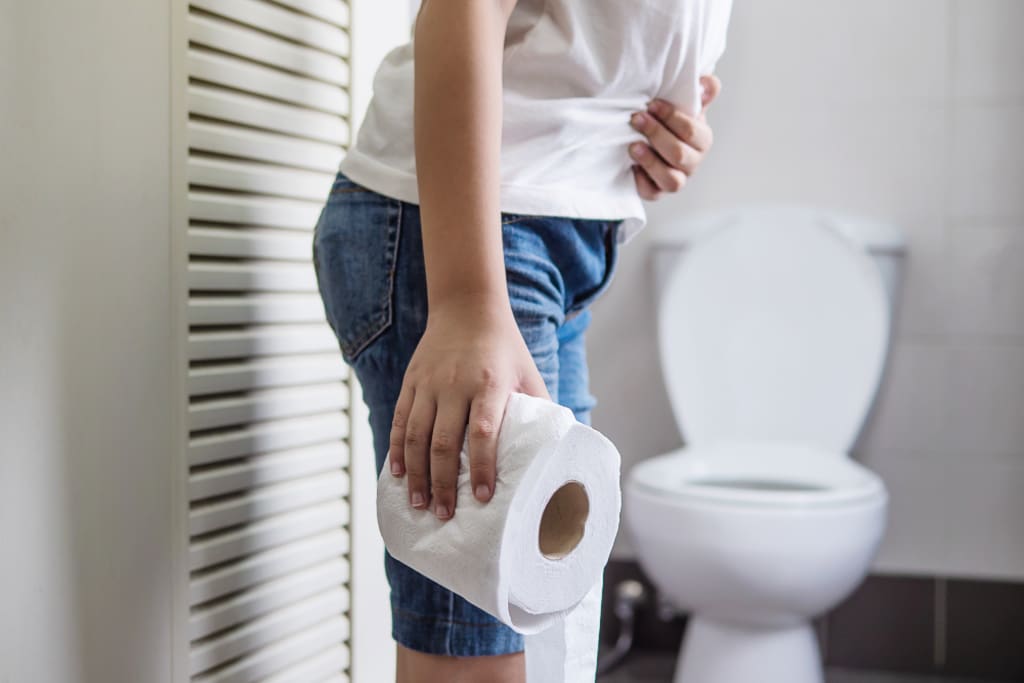
Urinary Tract Infection (UTI) in children is a common health issue that can cause discomfort and lead to complications if left untreated. UTIs occur when bacteria enter the urinary tract, affecting the bladder, urethra, or kidneys. Parents must recognize the signs early and take preventive measures to ensure their child's well-being. In this article, we will discuss the causes, symptoms, treatment options, and ways to prevent UTIs in children.
What Causes UTI in Children?
UTIs in children are mainly caused by bacteria, with Escherichia coli (E. coli) being the most common culprit. These bacteria typically originate from the digestive system and enter the urinary tract through the urethra. Several factors increase the risk of UTIs in children, including:
- Poor Hygiene – Not wiping properly after using the toilet can transfer bacteria to the urinary tract.
- Holding Urine for Too Long – Delayed urination can promote bacterial growth.
- Constipation – A full rectum can press against the bladder, making it difficult to empty completely.
- Bubble Baths and Harsh Soaps – These can irritate the urethra and increase the risk of infection.
- Structural Abnormalities – Some children may have congenital urinary tract abnormalities that make them more prone to UTIs.
- Uncircumcised Boys – In some cases, boys who are not circumcised may have a slightly higher risk due to bacterial buildup under the foreskin.
Common Symptoms of UTI in Children
UTI symptoms in children can vary based on their age and the severity of the infection. Some common signs include:
- Pain or burning sensation while urinating
- Frequent urge to urinate but passing only small amounts
- Cloudy or foul-smelling urine
- Fever and chills
- Abdominal pain or lower back pain
- Vomiting or nausea
- Irritability in infants
- Bedwetting or accidents in potty-trained children
It is important for parents to recognize these symptoms and seek medical attention promptly.
Diagnosis and Treatment
If you suspect your child has a UTI, a doctor will perform a physical examination and order urine tests to confirm the diagnosis. A urinalysis checks for bacteria, white blood cells, and other signs of infection, while a urine culture helps identify the specific bacteria causing the infection.
Treatment Options:
- Antibiotics – The primary treatment for UTIs in children involves a prescribed course of antibiotics. The duration depends on the severity of the infection.
- Pain Relievers – Over-the-counter pain medications like acetaminophen may help relieve discomfort.
- Increased Fluid Intake – Encouraging your child to drink plenty of water can help flush out bacteria from the urinary tract.
- Proper Rest – Ensuring your child gets enough rest aids in faster recovery.
Preventing UTIs in Children
Preventing urinary tract infections in children involves simple hygiene practices and lifestyle changes. Here are some effective strategies:
- Encourage Regular Bathroom Breaks – Teach your child not to hold urine for too long.
- Proper Wiping Technique – Girls should always wipe from front to back to prevent bacteria from spreading.
- Hydration – Drinking plenty of water helps keep the urinary tract healthy and flush out bacteria.
- Avoid Harsh Soaps and Bubble Baths – Using mild, fragrance-free soaps reduces irritation.
- Wear Cotton Underwear – Breathable fabrics help keep the area dry and reduce bacterial growth.
- Prevent Constipation – A fiber-rich diet and sufficient water intake prevent constipation, which can contribute to UTIs.
- Promote Good Hygiene – Teach children to wash their hands before and after using the bathroom.
When to See a Doctor
While mild UTIs can be treated at home with antibiotics, you should seek medical attention if:
- Your child has a high fever (above 102°F or 39°C).
- Symptoms worsen or do not improve within 48 hours of antibiotic treatment.
- Your child experiences severe abdominal pain or vomiting.
- There are recurrent UTIs, which may indicate underlying health issues.
Conclusion
Urinary tract infections in children can be distressing, but with early detection and proper care, they can be effectively managed. By practicing good hygiene, encouraging hydration, and seeking timely medical attention, parents can help prevent UTIs and keep their children healthy. If your child exhibits symptoms of a UTI, consult a pediatrician promptly for the best course of treatment.
About the Creator
Mommunity
Hello, I’m mommunity. I’m a consultant living in new delhi. I am a fan of fitness, food, and cooking. I’m also interested in yoga and skiing. You can read my blog with a click on the button above.
It's Winter
Anne Bernays and Pamela Painter — What If? Writing Exercise for Fiction Writers prompts The Exercise —Write a scene involving two characters. Have the point-of-view character presume something entirely different about the situation from what the other character's overt behavior seems to imply. For example, a landlord comes to visit, and the tenant suspects that it isn't a visit but an inspection. Make up several situations in which one character can fantasize or project or suspect or even fear what another character is thinking. The Objective - To show how your characters can use their imaginations to interpret the behavior and dialogue of other characters.
By Denise E Lindquist19 days ago in Writers
Where Dreams Loved Me Back
chapter 1 Chapter One: The Quiet I Learned to Carry Matthew’s perspective, I don’t remember when life started feeling heavy. It wasn’t sudden — it was gradual, like carrying a bag that someone kept adding weight to until one day I realized I couldn’t put it down anymore.
By Anshu Giri5 days ago in Writers


Comments
There are no comments for this story
Be the first to respond and start the conversation.