
Unraveling Mysteries: The Enigmatic World of 'Basilsila-e-Ta Azal'
Unraveling Mysteries: The Enigmatic World of 'Basilsila-e-Ta Azal'


"Basilsila-e-Ta Azal" is a captivating Urdu novel written by the talented Zeenia Sharjeel. This literary masterpiece delves deep into the intricacies of human emotions, societal norms, and the timeless struggle between tradition and modernity. The novel's title, which translates to "From Eternity to Eternity," hints at its exploration of eternal themes and the cyclical nature of life.
About the Author: Zeenia Sharjeel
Zeenia Sharjeel is a celebrated name in contemporary Urdu literature. Known for her poignant storytelling and profound character development, she has carved a niche for herself among modern Urdu novelists. Her works often reflect a deep understanding of human psychology and societal dynamics, making her narratives both relatable and thought-provoking.
Plot Summary
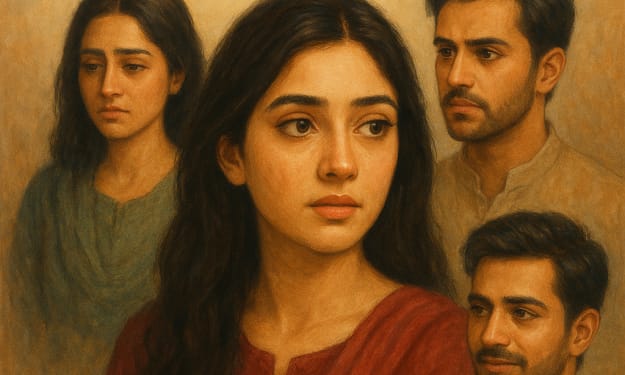
"Basilsila-e-Ta Azal" unfolds in a richly woven tapestry of interconnected lives. The story revolves around a central character, Ayesha, whose journey from innocence to maturity forms the crux of the narrative. Set against the backdrop of a traditional yet evolving society, the novel explores Ayesha's personal growth, her relationships, and the challenges she faces in reconciling her dreams with societal expectations.
Ayesha's Journey
Ayesha is introduced as a young, naive girl living in a conservative household. Her family, deeply rooted in tradition, imposes strict norms on her, curbing her aspirations and desires. As the story progresses, Ayesha's encounters with various individuals shape her worldview and challenge her preconceived notions.
Themes of Tradition vs. Modernity
One of the central themes of "Basilsila-e-Ta Azal" is the conflict between tradition and modernity. Ayesha's struggle to break free from societal constraints and pursue her dreams mirrors the broader tension within society as it grapples with the rapid pace of change. Zeenia Sharjeel masterfully portrays this dichotomy, highlighting the often painful process of transformation and the resistance it encounters.
Character Development
Zeenia Sharjeel's strength lies in her ability to create multi-dimensional characters. Each character in "Basilsila-e-Ta Azal" is meticulously crafted, contributing to the richness of the narrative.
Ayesha
Ayesha's character evolves from a passive, submissive girl into a strong, independent woman. Her journey is marked by moments of self-discovery and empowerment, making her a relatable and inspiring protagonist. Zeenia Sharjeel captures Ayesha's internal struggles and triumphs with remarkable sensitivity.
Supporting Characters
The novel is populated with a host of supporting characters, each adding depth and complexity to the story. Ayesha's parents represent the older generation's adherence to tradition, while her friends and love interests embody the conflicting forces of modernity. These characters serve as catalysts for Ayesha's transformation, influencing her decisions and actions.
Literary Style and Language
Zeenia Sharjeel's prose is characterized by its lyrical quality and emotional depth. Her use of language is both poetic and precise, creating vivid imagery and evoking strong emotions. The dialogues are natural and reflective of the characters' personalities, adding authenticity to the narrative.
Cultural and Social Commentary
"Basilsila-e-Ta Azal" is not just a story of personal growth; it is also a commentary on the societal norms and cultural practices that shape individual destinies. Zeenia Sharjeel critiques the rigid structures that limit personal freedom and advocates for a more progressive and inclusive society. Through Ayesha's story, she sheds light on the importance of education, gender equality, and the need for societal reform.
Symbolism and Imagery
The novel is rich in symbolism and imagery, enhancing its thematic depth. The recurring motif of the eternal cycle reflects the characters' struggles and aspirations. The imagery of confinement and liberation, tradition and change, adds layers of meaning to the narrative.
Reception and Impact
"Basilsila-e-Ta Azal" has been widely acclaimed for its poignant storytelling and insightful social commentary. Readers and critics alike have praised Zeenia Sharjeel for her nuanced portrayal of characters and her ability to weave complex themes into a compelling narrative. The novel has sparked discussions on various societal issues, making it a significant contribution to contemporary Urdu literature.
Conclusion
"Basilsila-e-Ta Azal" by Zeenia Sharjeel is a remarkable novel that explores the timeless themes of personal growth, societal norms, and the conflict between tradition and modernity. Through the journey of its protagonist, Ayesha, the novel offers a poignant commentary on the challenges and triumphs of navigating an evolving society. Zeenia Sharjeel's masterful storytelling and deep understanding of human emotions make this novel a must-read for anyone interested in Urdu literature and the complexities of the human experience.
Detailed Analysis of Major Themes
To provide a more comprehensive understanding of "Basilsila-e-Ta Azal," let's delve deeper into some of the major themes and their significance within the novel.
1. The Struggle for Identity
Ayesha's journey is essentially a quest for identity. From a young girl defined by her family's expectations to a woman who carves out her own path, Ayesha's transformation is a powerful exploration of self-discovery. The novel delves into the psychological and emotional aspects of this struggle, highlighting the internal conflicts and external pressures that shape one's sense of self.
2. The Role of Education
Education plays a pivotal role in Ayesha's development. It serves as a tool of empowerment, enabling her to question societal norms and envision a future beyond the confines of tradition. Zeenia Sharjeel emphasizes the transformative power of education, advocating for its importance in achieving gender equality and social progress.
3. Gender Roles and Expectations
The novel critically examines the rigid gender roles and expectations imposed on women. Ayesha's experiences reflect the broader societal constraints that limit women's potential and freedom. Through her journey, Zeenia Sharjeel challenges these norms and calls for a more equitable and inclusive society.
4. Love and Relationships
Love and relationships are central to Ayesha's story. Her interactions with friends, family, and romantic interests shape her worldview and influence her decisions. The novel portrays love as a complex and multifaceted emotion, encompassing joy, pain, sacrifice, and growth. Zeenia Sharjeel's nuanced depiction of relationships adds emotional depth to the narrative.
5. Tradition vs. Modernity
The tension between tradition and modernity is a recurring theme in "Basilsila-e-Ta Azal." Ayesha's struggle to balance her personal aspirations with societal expectations mirrors the broader conflict within a society undergoing rapid change. The novel captures the resistance to change and the inevitable push towards progress, highlighting the challenges and opportunities that come with it.
Character Analysis
Ayesha
Ayesha's character is the heart of the novel. Her journey from innocence to maturity is portrayed with remarkable sensitivity and depth. Initially depicted as a passive and obedient daughter, Ayesha gradually becomes aware of her own desires and potential. Her transformation is marked by moments of self-realization and defiance against societal norms. Ayesha's resilience and determination make her an inspiring and relatable protagonist.
Ayesha's Parents
Ayesha's parents represent the older generation's adherence to tradition. Their rigid beliefs and expectations serve as obstacles to Ayesha's growth. However, they are not portrayed as antagonists; rather, Zeenia Sharjeel provides a nuanced depiction of their perspectives, highlighting the generational gap and the challenges of bridging it.
Supporting Characters
The supporting characters in the novel add depth and complexity to the narrative. Ayesha's friends, who embody modern values and aspirations, serve as a contrast to her traditional upbringing. Her romantic interests bring additional layers of conflict and growth, influencing her journey towards self-discovery.
Literary Devices
Zeenia Sharjeel employs various literary devices to enhance the storytelling and convey deeper meanings.
Symbolism
The novel is rich in symbolism. The recurring motif of the eternal cycle reflects the characters' struggles and the cyclical nature of life. The use of imagery related to confinement and liberation underscores the themes of personal freedom and societal constraints.
Imagery
The vivid imagery in "Basilsila-e-Ta Azal" creates a powerful and immersive reading experience. Zeenia Sharjeel's descriptive prose brings the settings and characters to life, evoking strong emotions and creating a vivid mental picture of the narrative.
Foreshadowing
Foreshadowing is used effectively to build anticipation and suspense. Subtle hints and clues are woven into the narrative, creating a sense of intrigue and keeping readers engaged.
Conclusion
"Basilsila-e-Ta Azal" is a literary gem that offers a profound exploration of personal growth, societal norms, and the conflict between tradition and modernity. Zeenia Sharjeel's masterful storytelling and nuanced character portrayals make this novel a compelling and thought-provoking read. Through Ayesha's journey, the novel provides valuable insights into the complexities of the human experience and the transformative power of self-discovery.
For readers interested in contemporary Urdu literature, "Basilsila-e-Ta Azal" is a must-read. It not only entertains but also challenges societal norms and encourages introspection, making it a significant contribution to the literary landscape.
Additional Reflections
As we reflect on "Basilsila-e-Ta Azal," it is important to consider its broader impact on Urdu literature and society. The novel's exploration of timeless themes and its portrayal of a strong, independent female protagonist resonate with readers from diverse backgrounds. It serves as a reminder of the power of literature to inspire change and foster empathy.
The Legacy of Zeenia Sharjeel
Zeenia Sharjeel's work has left an indelible mark on contemporary Urdu literature. Her ability to weave complex themes into compelling narratives has earned her a place among the most respected modern Urdu novelists and her legacy continues to inspire new generations of writers and readers alike.
Critical Reception and Literary Significance
"Basilsila-e-Ta Azal" has garnered widespread critical acclaim for its insightful portrayal of societal issues and its rich, multi-layered storytelling. Critics have praised Zeenia Sharjeel for her ability to blend traditional and contemporary themes, creating a narrative that is both timeless and relevant.
Critical Acclaim
Many literary critics have lauded Zeenia Sharjeel's nuanced characterizations and her keen understanding of human psychology. The novel's exploration of complex social dynamics and the inner lives of its characters has been particularly appreciated. The realistic portrayal of Ayesha's journey, with its ups and downs, triumphs and setbacks, resonates deeply with readers, making her story both relatable and inspiring.
Literary Significance
"Basilsila-e-Ta Azal" holds a significant place in modern Urdu literature. Its exploration of themes such as identity, gender roles, and the clash between tradition and modernity addresses pressing societal issues, contributing to important cultural and social conversations. The novel's emphasis on education and personal empowerment aligns with broader movements advocating for gender equality and social reform.
Impact on Readers
The novel has had a profound impact on its readers, many of whom have found inspiration and solace in Ayesha's story. The depiction of Ayesha's struggle for self-discovery and independence serves as a powerful reminder of the importance of resilience and the pursuit of one's dreams. Readers have expressed how the novel has encouraged them to reflect on their own lives and the societal norms that shape their choices.
Exploring Symbolism in "Basilsila-e-Ta Azal"
One of the novel's standout features is its rich use of symbolism, which adds depth and layers of meaning to the narrative. Here are some key symbols used in the novel:
The Eternal Cycle
The concept of the eternal cycle is central to the novel's theme and is reflected in its title, "Basilsila-e-Ta Azal." This symbol represents the continuous nature of life and the recurring challenges and opportunities that each generation faces. It underscores the idea that while individual lives are transient, the struggles and aspirations of humanity remain constant.
The Cage and Freedom
Imagery related to confinement and liberation is used extensively throughout the novel. Ayesha's initial life is symbolized by a cage, representing the restrictive societal norms and expectations that confine her. As she grows and gains independence, this imagery shifts towards themes of liberation, symbolizing her journey towards personal freedom and self-empowerment.
Mirrors
Mirrors in the novel symbolize self-reflection and self-awareness. Ayesha's interactions with mirrors often coincide with moments of introspection and self-realization. These instances highlight her evolving understanding of herself and her place in the world.
The Role of Education in the Novel
Education is a recurring motif in "Basilsila-e-Ta Azal," representing a pathway to empowerment and change. Ayesha's access to education plays a crucial role in her transformation, enabling her to question societal norms and envision a future beyond traditional constraints.
Education as Empowerment
Zeenia Sharjeel portrays education as a powerful tool for personal and social transformation. For Ayesha, education becomes a means to break free from the limitations imposed by her conservative upbringing. It equips her with the knowledge and confidence to pursue her dreams and assert her independence.
Advocacy for Gender Equality
Through Ayesha's story, the novel advocates for greater access to education for women. It highlights the transformative impact of education on women's lives and its potential to foster gender equality. Zeenia Sharjeel emphasizes that empowering women through education is essential for creating a more just and equitable society.
Intergenerational Dynamics
The novel delves into the complexities of intergenerational relationships, particularly between Ayesha and her parents. This dynamic is emblematic of the broader societal tension between tradition and modernity.
Parental Expectations and Rebellion
Ayesha's parents embody traditional values and expectations, which often clash with her aspirations for independence and self-fulfillment. This conflict reflects the generational gap and the challenges faced by individuals striving to balance respect for tradition with the desire for personal growth. Ayesha's rebellion against her parents' expectations is a crucial aspect of her journey towards self-discovery.
Bridging the Generational Gap
Zeenia Sharjeel portrays the generational conflict with empathy and nuance. She acknowledges the genuine concerns of the older generation while advocating for progress and change. The novel suggests that understanding and dialogue are essential for bridging the generational gap and fostering mutual respect.
Ayesha's Relationships and Personal Growth
Ayesha's relationships play a pivotal role in her development and growth throughout the novel. These relationships, whether with family, friends, or romantic interests, influence her worldview and contribute to her journey of self-discovery.
Friendships
Ayesha's friends serve as both support and contrast to her traditional upbringing. Their modern values and lifestyles challenge Ayesha to reconsider her own beliefs and aspirations. These friendships are instrumental in broadening her horizons and providing her with different perspectives.
Romantic Relationships
Romantic relationships in the novel are complex and multifaceted. They serve as a catalyst for Ayesha's growth, exposing her to new experiences and emotions. Zeenia Sharjeel portrays these relationships with depth and sensitivity, highlighting their role in Ayesha's journey towards self-empowerment.
The Novel's Ending: A Reflection on Growth and Change
The conclusion of "Basilsila-e-Ta Azal" is both poignant and hopeful. Ayesha's journey culminates in a moment of self-realization and acceptance. She emerges as a stronger, more independent individual, ready to embrace her future with confidence.
Resolution and Hope
The novel's ending reflects a sense of resolution and hope. Ayesha's transformation is complete, and she stands as a symbol of resilience and empowerment. Zeenia Sharjeel leaves readers with a message of hope, emphasizing that personal growth and societal progress are possible despite the challenges.
Legacy and Future Prospects
Ayesha's story serves as a legacy of courage and determination. Her journey inspires readers to reflect on their own lives and the societal norms that shape their choices. The novel suggests that change is inevitable and that embracing it with resilience and hope is the key to personal and societal progress.
Conclusion: The Enduring Impact of "Basilsila-e-Ta Azal"
"Basilsila-e-Ta Azal" by Zeenia Sharjeel is a masterful exploration of personal growth, societal norms, and the conflict between tradition and modernity. Through the compelling journey of its protagonist, Ayesha, the novel offers profound insights into the complexities of human experience and the transformative power of self-discovery.
Zeenia Sharjeel's lyrical prose, nuanced character portrayals, and rich thematic depth make "Basilsila-e-Ta Azal" a significant contribution to contemporary Urdu literature. The novel's exploration of education, gender equality, and intergenerational dynamics resonates with readers and sparks important cultural and social conversations.
For readers and literary enthusiasts, "Basilsila-e-Ta Azal" is a must-read. It not only entertains with its compelling narrative but also challenges societal norms and encourages introspection. The novel's enduring impact lies in its ability to inspire change and foster empathy, making it a timeless piece of literature.
Further Reading and Exploration
For those interested in delving deeper into the themes and context of "Basilsila-e-Ta Azal," here are some recommendations for further reading and exploration:
Exploring Modern Urdu Literature: Delve into other contemporary Urdu novels that explore similar themes of personal growth, societal norms, and the clash between tradition and modernity.
Zeenia Sharjeel's Other Works: Explore more works by Zeenia Sharjeel to gain a deeper understanding of her literary style and thematic interests.
Discussions on Gender Equality and Education: Engage with literature and discussions on gender equality and the transformative power of education, both within and beyond the context of Urdu literature.
Interviews and Essays: Look for interviews and essays by Zeenia Sharjeel to gain insights into her perspectives on literature, society, and the themes she explores in her works.
By engaging with these resources, readers can further enrich their understanding of "Basilsila-e-Ta Azal" and its broader significance within the literary and cultural landscape.
About the Creator
Levi Jack
📖 Urdu literature enthusiast | Discovering stories and sharing insights from the world of novels | Join me in celebrating the magic of words ✨ #UrduBooks #LiteraryJourney
It's Winter
Anne Bernays and Pamela Painter — What If? Writing Exercise for Fiction Writers prompts The Exercise —Write a scene involving two characters. Have the point-of-view character presume something entirely different about the situation from what the other character's overt behavior seems to imply. For example, a landlord comes to visit, and the tenant suspects that it isn't a visit but an inspection. Make up several situations in which one character can fantasize or project or suspect or even fear what another character is thinking. The Objective - To show how your characters can use their imaginations to interpret the behavior and dialogue of other characters.
By Denise E Lindquist17 days ago in Writers


Comments
There are no comments for this story
Be the first to respond and start the conversation.