
Understanding The Crucial Role of Not-for-Profit Auditors
Not-for-Profit Audit Services

With the rising importance of maintaining accuracy in the financial records for all organizations, and more so for nonprofit organizations. The donors, grant makers, and other regulators need to be assured that the funds they allocate to these nonprofit organizations are being utilized to their full extent. And to ensure that the records are accurate and transparent, the need for not-for-profit auditors is felt. They specialize in maintaining the financial integrity of the organization and, at the same time, safeguarding the organization's mission. Going forward in this blog, we will understand why the need for auditors is so crucial for nonprofit organizations.
Who Are Not-for-Profit Auditors
Not-for-profit auditors are accounting professionals specializing in auditing nonprofit organizations' financial statements. They understand the unique regulatory and operational frameworks and offer an independent perspective on an organization’s financial management practices.
They provide guidance in grant compliance, fund restrictions & donor accountability. These types of auditors identify areas where they can help strengthen an organization's internal controls to ensure financial statements are reliable. Their deep knowledge plays an important role in the maintenance of the fiscal health of the organization.
The Auditing Process for Nonprofit Organizations
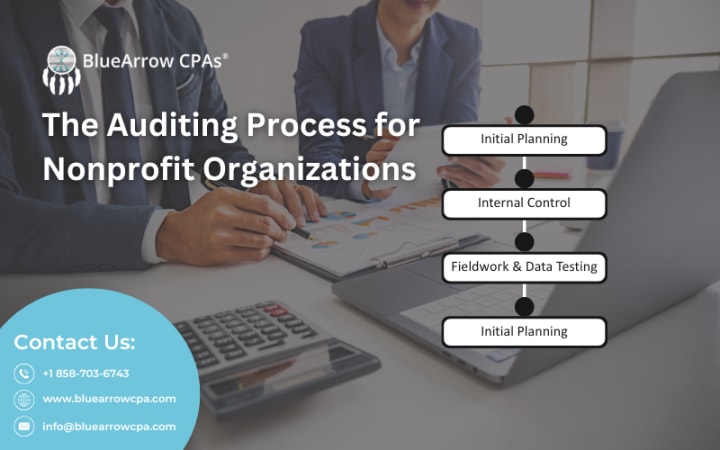
Auditing not-for-profit organizations involves independent auditors reviewing the financial records so as to ensure compliance with all applicable regulations. The auditing process aims to verify the organization’s financial health, transparency & accountability. The general steps in the auditing process are:
Initial Planning: The auditor begins by understanding the organization’s structure, sources of funding & internal controls. They assess financial and operational risks that may affect reporting accuracy or compliance.
Internal Control: As part of nonprofit internal audit services, auditors assess how well the nonprofit’s financial systems and internal policies safeguard assets, manage risks & ensure compliance.
Fieldwork & Data Testing: They conduct detailed testing of financial records, grants & compliance with donor restrictions. This step ensures that the organization's financial statements accurately reflect its position.
Reporting: After completion, auditors issue an audit report detailing their findings. This includes an opinion on the financial statements fairness & recommendations for improving systems and controls.
Benefits of Hiring Not-for-Profit Audit Services
Partnering with a professional for not-for-profit audit services to gain measurable value across financial management and long-term organizational success. Some key benefits are given below:
Ensures Compliance: Auditors ensure the organization meets financial reporting standards & complies with IRS guidelines, grant agreements and state laws.
Builds Trust: Regular audits demonstrate financial responsibility which builds trust and confidence in the donors and helps secure future funding.
Enhances Financial Transparency: These services identify & correct weaknesses in internal controls, reducing the risk of fraud or mismanagement.
Provides Strategic Insights: Auditors offer recommendations that go beyond compliance, helping nonprofit leaders make informed budgeting & resource allocation decisions.
Supports Sustainability: By identifying inefficiencies, audits help nonprofits better plan for financial health & mission fulfilment.
How to Choose the Right Auditor
The decision to hire an auditor is an important one. It directly impacts the financial oversight, legal compliance & public perception of your organization. Some qualities to consider:
Look for Specialized Experience: Ensure the auditor has proven experience in auditing not for profit organizations. Familiarity with nonprofit funding streams, grant compliance, and donor reporting is essential.
Verify Credentials & Licenses: Look for auditors who have relevant licenses in your state and verify their credentials.
Check References: Ask for references from other nonprofit clients & check online reviews or industry reputation. Transparency and reliability are key indicators of a trustable auditor.
Understand Their Approach: Find an auditor who works cooperatively and explains the findings & offers solutions.
Evaluate Communication: An auditor who communicates clearly and responds promptly can reduce stress & ensure that the deadlines are met.
Final Thoughts
Throughout this blog, we explored how not-for-profit auditors help maintain accuracy and accountability. Regular audits help organizations build trust with donors and comply with regulatory standards. Investing in professional nonprofit audit services is a smart move toward long-term success. It will ensure smooth daily operations and formal audit reports that satisfy regulatory requirements; the expertise of these professionals is indispensable.
About the Creator
Harsha Jain
BlueArrow CPAs, a auditing, consulting, and IT services to tribal governments nationwide. Specialize in tribal financial challenges, providing high-quality, tailored solutions for financial integrity.
Keep reading
More stories from Harsha Jain and writers in Writers and other communities.
A Short Guide to Housing Authority Financial Audits
Housing authorities are governmental bodies that manage and oversee housing programs for low-income communities & Native American tribes. They are known for developing and maintaining public housing units. Housing authorities receive funds and grants from numerous sources covering, federal, state and local sources. To ensure accountability and compliance with federal and state regulations these organizations have to undergo regular financial audits. This is where the need of housing authority financial audits emerges to safeguard public funds, improve operations, and build trust with stakeholders. Going forward, in this blog, we will discuss a comprehensive view of housing authority audits and the challenges tribal authorities face.
By Harsha Jain9 months ago in 01
Why Australia’s New Psychosocial Safety Laws Are Forcing Employers to Rethink Workplace Risk
Australia has quietly entered a new era of workplace regulation, one where psychological health is no longer treated as a secondary wellbeing concern, but as a formal safety obligation equivalent to physical hazards. This shift represents one of the most significant changes to occupational health and safety governance in decades.
By Abbasi Publisherabout 20 hours ago in Writers



Comments
There are no comments for this story
Be the first to respond and start the conversation.