
Understanding Cosmetovigilance: The Safety Net of Cosmetic Products**
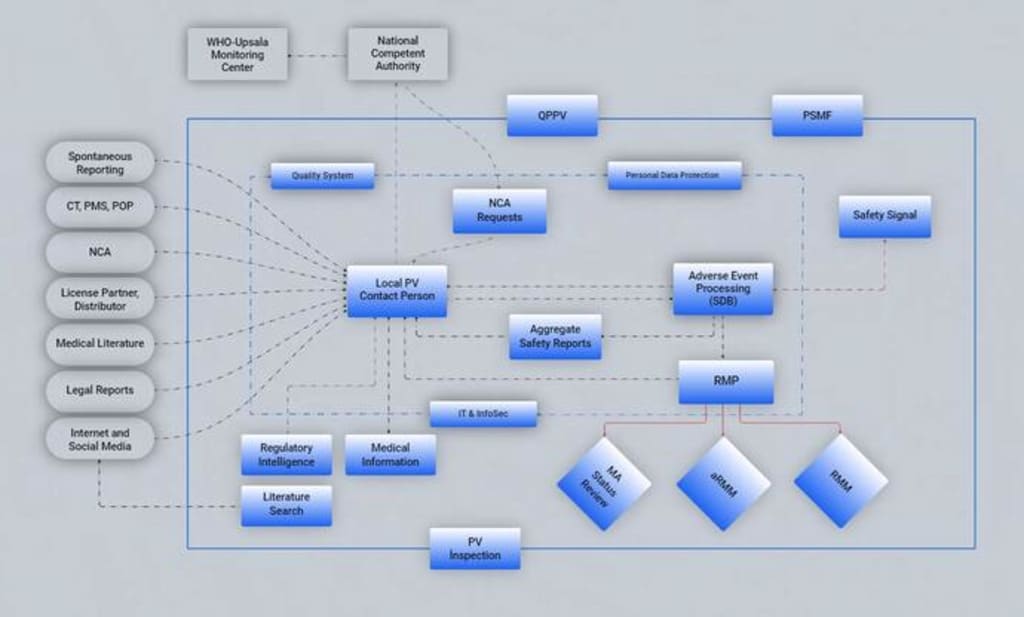
Pharmacoviligiance
**Introduction**
In recent years, the global cosmetic industry has experienced explosive growth. With a staggering array of products available — from skincare and makeup to hair and nail care — consumers are increasingly concerned about the safety and efficacy of what they apply to their bodies. Enter cosmetovigilance: a critical field dedicated to monitoring the safety of cosmetic products. Though often overshadowed by pharmacovigilance (the safety monitoring of pharmaceuticals), cosmetovigilance plays an equally vital role in protecting consumers by ensuring that cosmetic products are safe for use.
**What is Cosmetovigilance?**
Cosmetovigilance refers to the science and activities related to the detection, assessment, and prevention of adverse effects or any other unintended effects stemming from the use of cosmetic products. This area of vigilance encompasses various aspects, including the evaluation of ingredients, monitoring of consumer reports, and comprehensive assessments of product safety. The goal is to create a regulatory framework that assures consumers of the safety and quality of cosmetic products.
**Regulatory Framework**
In many regions, the regulation of cosmetics falls under various health authorities responsible for consumer safety. In the European Union, for example, the Cosmetics Regulation (EC) No 1223/2009 mandates that products undergo rigorous safety assessments before they hit the shelves. Companies are required to establish a safety report for each product, taking into consideration the toxicological profile of the ingredients, exposure levels, and intended use.
In addition to pre-market regulations, most countries have established a post-market surveillance system that allows consumers and healthcare professionals to report adverse reactions. This information serves as the backbone of cosmetovigilance, helping to identify patterns and potential safety concerns.
**Why is Cosmetovigilance Important?**
1. **Consumer Protection**: The primary objective of cosmetovigilance is to safeguard the health and well-being of consumers. With incidents of allergic reactions, skin irritation, or long-term effects emerging from certain products, vigilant monitoring helps to identify harmful products and ensure that they are addressed promptly.
2. **Regulatory Compliance**: For cosmetic manufacturers, participating in cosmetovigilance is not just about adhering to laws; it's about maintaining consumer trust. Companies that actively monitor and report adverse effects can avoid legal repercussions and safeguard their brand image.
3. **Data-Driven Improvements**: Systematic data collection surrounding product safety allows for informed decisions regarding formulation changes, ingredient replacement, and innovation. This means that companies can proactively address potential issues rather than be reactive.
4. **Consumer Awareness**: The rising awareness around cosmetics’ ingredients and their potential effects has led to increased demand for transparency. A robust cosmetovigilance framework not only aids in monitoring safety but also contributes to educating consumers about their products.
**The Role of Technology**
With the advent of digital technologies, the landscape of cosmetovigilance is rapidly evolving. Social media platforms, mobile applications, and online forums enable consumers to share their experiences with cosmetic products more easily. This sharing of information can lead to quicker identification of potential side effects or concerns.
Moreover, big data and artificial intelligence are playing a significant role in analyzing reports and trends. By harnessing these technologies, regulators and companies can enhance their understanding of product safety and consumer behavior, ultimately leading to improved products and informed consumers.
**Challenges Ahead**
Despite its importance, cosmetovigilance faces several challenges. These include:
1. **Underreporting**: Many consumers may not report adverse events, either due to a lack of awareness or the belief that their experience is isolated. This can lead to gaps in data and hinder safety assessments.
2. **Global Discrepancies**: Different countries have varying regulations and enforcement mechanisms. This lack of uniformity can lead to safety issues that are not adequately addressed in all markets.
3. **Evolving Formulations**: As cosmetic formulations continue to evolve, with new ingredients and technologies emerging, the need for updated safety assessments becomes even more critical.
**Conclusion**
Cosmetovigilance is an essential discipline in the realm of cosmetic safety, helping to ensure that the products we use daily are safe and effective. As consumers become more informed and vocal about their experiences, the role of cosmetovigilance will only continue to grow. It is a collaborative effort, requiring cooperation among manufacturers, regulatory agencies, and consumers to build a safer future for cosmetic products. As the industry evolves, so too must our commitment to monitoring and ensuring the safety of what we apply to our skin.
https://pharmex.co/
About the Creator
Keep reading
More stories from Eldaniz Hasanov and writers in Writers and other communities.
Understanding Nutravigilance: A New Frontier in Nutritional Health
In recent years, the concept of nutravigilance has gained traction as a vital aspect of public health, bridging the gap between nutrition and vigilance in health promotion. This emerging field focuses on monitoring and evaluating dietary habits, nutritional deficiencies, and the overall health impacts of nutrients, making it an essential area of study in the evolving landscape of health and wellness.
By Eldaniz Hasanovabout a year ago in Writers
Draft Deleting? Don't Do It!
Today, I had a little time. I decided that I would have a look at the drafts that I have on Vocal. This is part of a long-term wish to have everything I've written on paper rather than virtually. I've not looked at them for weeks and something drew me to them, just to browse and see what was there.
By Rachel Deeming2 days ago in Writers
H-1B Visa Registration for FY 2027: What the New Selection System Means for Employers
As the FY 2027 H-1B registration period approaches, employers are facing meaningful changes to how petitions will be selected. This upcoming cycle introduces a wage weighted structure that alters how entries are counted in the selection process. The adjustments may influence salary decisions, role classification, and overall petition strategy.
By Sheila Danzig5 days ago in Writers



Comments
There are no comments for this story
Be the first to respond and start the conversation.