
TRAVEL OF MOUNT EVEREST
Conquering the World's Highest Peak
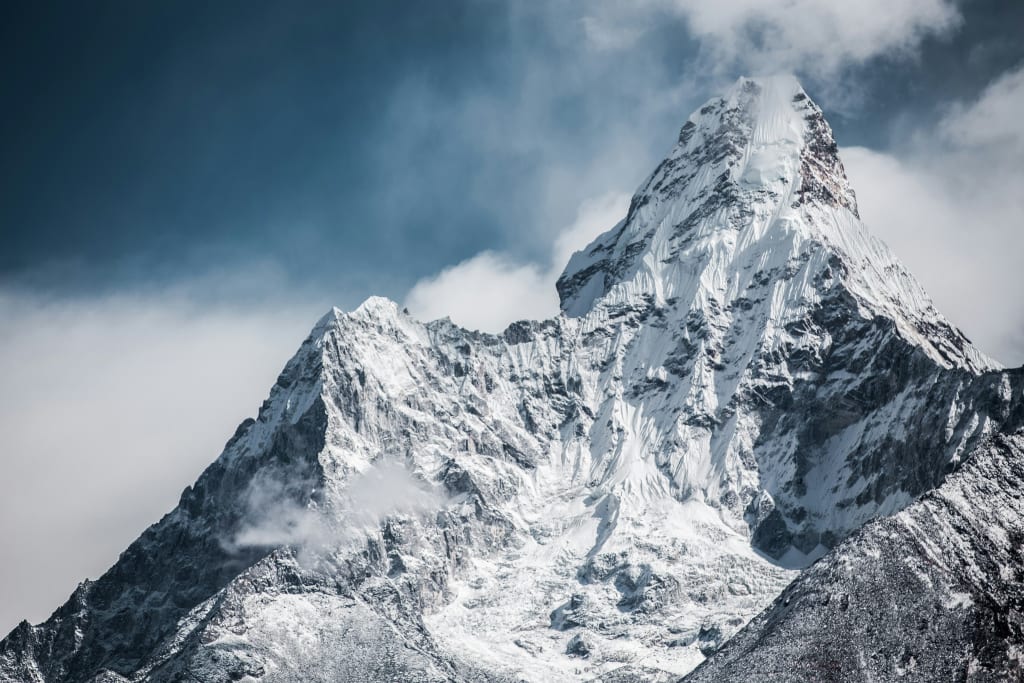
** A GUIDE TO TRAVELING TO MOUNT EVEREST**
Mount Everest, the pinnacle of adventure and human achievement, stands at a staggering 8,848 meters (29,029 feet) above sea level, making it the highest mountain in the world. For centuries, this majestic peak has drawn explorers, adventurers, and mountaineers from around the globe, all eager to stand on top of the world. However, the journey to Everest is not just a physical challenge but a deeply transformative experience that demands preparation, endurance, and respect for the mountain. Whether you aim to reach the summit or simply marvel at its grandeur from a safe distance, here’s everything you need to know about traveling to Mount Everest.
### UNDERSTANDING MOUNT EVEREST: A BRIEF OVERVIEW
Mount Everest is part of the Himalayas, a mountain range that spans five countries: India, Nepal, Bhutan, China (Tibet), and Pakistan. The mountain itself lies on the border between Nepal and the Tibet Autonomous Region of China. While Everest is a symbol of ultimate achievement, it's also a place of immense cultural and spiritual significance for the local Sherpa people, who regard it as sacred.
### WHEN TO GO: BEST TIME TO VISIT
The best time to visit Everest largely depends on what you want to achieve. For trekking to Everest Base Camp (EBC), the most popular seasons are pre-monsoon (March to May) and post-monsoon (late September to November). These periods offer the most stable weather, with clear skies and relatively mild temperatures, ideal for both trekking and climbing.
For those attempting to summit Everest, the window is much narrower. Most climbers target the brief window in May when the weather is most favorable, just before the monsoon season begins. Some also aim for the autumn season (September to November), though the conditions are generally more challenging.
### GETTING THERE: THE JOURNEY BEGINS
#### 1. **Reaching Kathmandu**
Most travelers begin their journey in Kathmandu, Nepal’s capital. Kathmandu is well-connected by international flights, making it a convenient starting point. The city itself is a vibrant mix of ancient culture and modernity, and spending a day or two here is recommended to explore its UNESCO World Heritage Sites like Swayambhunath (the Monkey Temple) and Durbar Square.
#### 2. **Lukla: The Gateway to Everest**
From Kathmandu, travelers typically take a short yet thrilling flight to Lukla, a small town perched at an altitude of 2,860 meters (9,383 feet). The Tenzing-Hillary Airport in Lukla is renowned for its challenging landing strip, offering an adrenaline-filled start to the adventure. Once in Lukla, the trek to Everest Base Camp (EBC) begins.
### THE TREK TO EVEREST BASE CAMP (EBC)
#### 1. **Phakding (2,610 m / 8,563 ft)**
From Lukla, the first day’s trek usually takes you to Phakding, a small village located on the banks of the Dudh Koshi River. This relatively easy trek allows you to acclimatize to the altitude while enjoying the stunning scenery.
#### 2. **Namche Bazaar (3,440 m / 11,286 ft)**
The next major stop is Namche Bazaar, the bustling heart of the Khumbu region. Namche is a great place to acclimatize, shop for last-minute gear, and soak in the local Sherpa culture. The town offers a range of amenities, including bakeries, internet cafes, and even small museums.
#### 3. **Tengboche (3,867 m / 12,687 ft)**
Tengboche is home to the famous Tengboche Monastery, the largest gompa in the Khumbu region. The trek to Tengboche offers breathtaking views of Everest, Lhotse, Nuptse, and Ama Dablam. This is also where trekkers can experience the spiritual aspect of the Himalayas.
#### 4. **Dingboche (4,410 m / 14,468 ft)**
Dingboche is often where trekkers spend an extra day to acclimatize. The village is located in a valley with sweeping views of Ama Dablam and the Imja River. Here, you’ll start to feel the effects of high altitude, so taking it slow is key.
#### 5. **Lobuche (4,940 m / 16,207 ft)**
The trek becomes more challenging as you approach Lobuche. The air is thinner, and the terrain is more rugged. However, the sense of accomplishment grows as you get closer to Everest Base Camp.
#### 6. **Gorak Shep and Everest Base Camp (5,364 m / 17,598 ft)**
Gorak Shep is the last stop before reaching Everest Base Camp. The final push to EBC is demanding but immensely rewarding. Standing at the base of the world's highest peak is a surreal experience, one that’s hard to put into words.
### CLIMBING MOUNT EVEREST: THE ULTIMATE CHALLENGE
For those aiming to summit Everest, extensive preparation, training, and acclimatization are crucial. Most climbers spend several weeks at Everest Base Camp, gradually moving to higher camps to acclimatize before making their final summit attempt. The climb is divided into several stages:
- **Base Camp (5,364 m / 17,598 ft)**
- **Camp I (6,065 m / 19,900 ft)**
- **Camp II (6,500 m / 21,300 ft)**
- **Camp III (7,470 m / 24,500 ft)**
- **Camp IV (7,920 m / 26,000 ft)**: Known as the "Death Zone" due to the extreme altitude.
The final ascent usually begins at midnight, aiming to reach the summit in the early hours of the morning, when the weather is most stable.
### SAFETY AND PREPARATION
Traveling to Everest is not without risks. Altitude sickness, harsh weather conditions, and the physical demands of the trek or climb are significant challenges. It’s essential to:
- **Acclimatize Properly**: Take your time to adjust to the altitude. Symptoms of altitude sickness should not be ignored.
- **Pack Wisely**: Carry essential gear like warm clothing, a good sleeping bag, trekking poles, and a well-stocked first aid kit.
- **Stay Hydrated and Eat Well**: Keeping your body fueled and hydrated is crucial for maintaining energy levels.
- **Travel with a Guide**: Hiring an experienced guide or joining a reputable trekking group can enhance safety and provide valuable insights into the local culture and environment.
### CULTURAL ETIQUETTE AND ENVIRONMENTAL RESPONSIBILITY
The Everest region is home to the Sherpa community, whose hospitality and deep spiritual connection to the land are integral to the Everest experience. Respect local customs, dress modestly, and ask for permission before photographing people or sacred sites.
Environmental conservation is also paramount. The influx of trekkers and climbers has put a strain on the delicate ecosystem. Follow the Leave No Trace principles: pack out all trash, avoid using single-use plastics, and stick to designated paths to minimize your impact.
### CONCLUSION
Traveling to Mount Everest is a once-in-a-lifetime experience that combines natural beauty, physical challenge, and cultural immersion. Whether you’re trekking to Everest Base Camp or aiming for the summit, the journey is as much about self-discovery as it is about reaching your destination. With careful planning, respect for the environment, and an appreciation for the local culture, your adventure to Everest will be an unforgettable chapter in your life’s story.
About the Creator
Keep reading
More stories from Mridul Kushwah and writers in Writers and other communities.
JOURNEY OF KEDARNATH DHAM
**JOURNEY OF KEDARNATH DHAM ** Nestled in the heart of the Himalayas, Kedarnath Dham stands as one of the most revered pilgrimage sites in India. This sacred temple, dedicated to Lord Shiva, attracts thousands of devotees each year who embark on a spiritual journey through challenging terrains and breathtaking landscapes. The journey to Kedarnath Dham is not just a physical expedition but a profound spiritual odyssey that tests the limits of faith and endurance.
By Mridul Kushwahabout a year ago in Writers
It's Winter
Anne Bernays and Pamela Painter — What If? Writing Exercise for Fiction Writers prompts The Exercise —Write a scene involving two characters. Have the point-of-view character presume something entirely different about the situation from what the other character's overt behavior seems to imply. For example, a landlord comes to visit, and the tenant suspects that it isn't a visit but an inspection. Make up several situations in which one character can fantasize or project or suspect or even fear what another character is thinking. The Objective - To show how your characters can use their imaginations to interpret the behavior and dialogue of other characters.
By Denise E Lindquist20 days ago in Writers
The Last Vacation at the Beach
I didn’t know it was going to be my last vacation at the beach. That’s the strange thing about endings—they rarely announce themselves. They arrive disguised as ordinary days, warm and harmless, like sunlight on your face when you step out of the car and breathe in salt without thinking twice.
By Imran Ali Shaha day ago in Writers




Comments
There are no comments for this story
Be the first to respond and start the conversation.