
Tractor Troubles? Discover 5 DIY Fixes Every Farmer Should Know
5 DIY Fixes Every Farmer Should Know

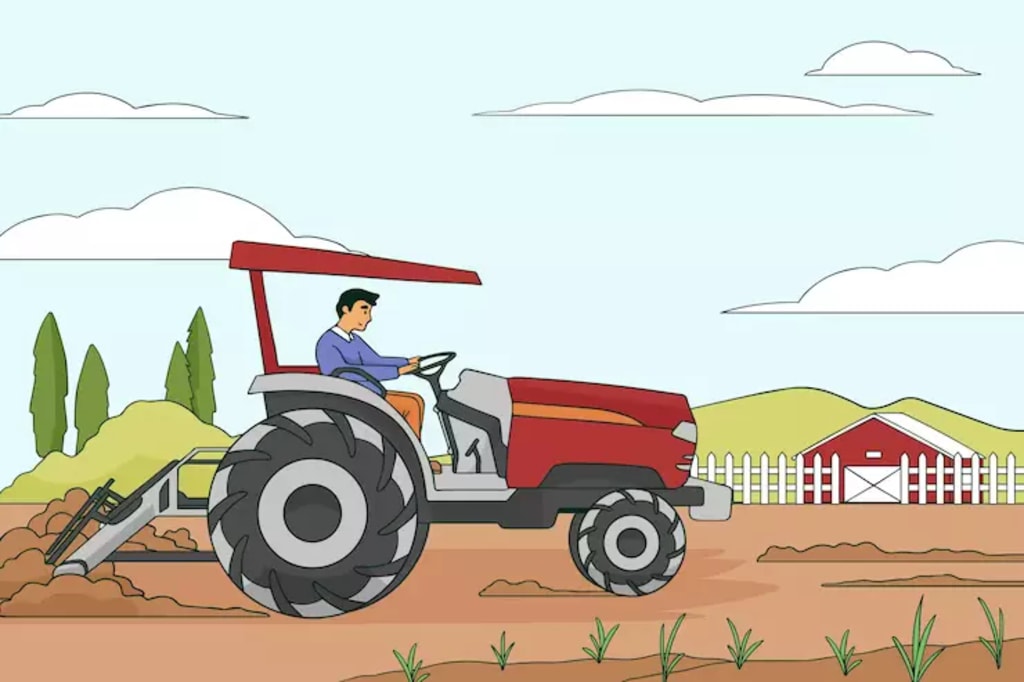
Tractors are the backbone of agricultural operations, revolutionizing the way farmers cultivate, sow, and harvest their crops. They provide efficiency, speed, and power essential for modern farming.
The Inevitability of Tractor Issues
However, owning a tractor comes with its fair share of challenges, as tractors can face mechanical problems due to wear and tear, rough usage, or simply aging. These issues can disrupt farm activities and impact productivity.
The Empowerment of DIY Fixes
In this blog post, we'll explore common tractor problems and empower farmers with essential DIY fixes. Understanding these fixes not only saves time and money but also provides a sense of self-reliance and a deeper understanding of your farm equipment.
Common Tractor Problems
Engine Troubles
Symptoms and Common Causes Tractor engines can experience symptoms like stalling, overheating, or unusual noises. Common causes include fuel system issues, ignition problems, or air intake blockages.
Importance of Regular Maintenance Regular maintenance, including oil changes, filter replacements, and proper fuel usage, is crucial to prevent engine problems and ensure optimal performance.
Electrical System Failures
Troubleshooting Electrical Issues Electrical problems often manifest as starting issues or malfunctions in lights and other electrical components. Troubleshoot using a multimeter and visual inspections.
Tips for Battery Care Proper battery maintenance, including regular checks, cleaning terminals, and ensuring a full charge, can extend the life of the tractor's battery.
Transmission and Gearbox Problems
Recognizing Transmission Issues Symptoms like difficulty in gear shifting, strange noises, or slipping gears indicate potential transmission problems. Identifying these early can prevent further damage.
DIY Solutions for Common Transmission Problems Adjusting clutch mechanisms, changing transmission fluid, or replacing worn-out components are DIY solutions to address transmission issues.
5 Essential DIY Fixes
Changing the Air Filter
Step-by-step guide Regularly changing the air filter involves simple steps like locating the air filter, removing the old one, and installing a new, clean filter, enhancing the tractor's performance.
Benefits of a Clean Air Filter A clean air filter ensures the engine receives clean air, enhancing fuel efficiency and prolonging the engine's life.
Replacing Spark Plugs
How to Identify Faulty Spark Plugs Recognizing signs such as misfiring, poor fuel efficiency, or difficulty starting the engine helps in identifying faulty spark plugs.
Easy Steps to Replacement Replacing spark plugs involves removing the old plugs and installing new ones following the manufacturer's recommendations, improving engine performance.
Cleaning and Adjusting the Carburetor
Signs like irregular idling, starting issues, or poor acceleration often signal a dirty carburetor. DIY cleaning involves disassembling, cleaning each part thoroughly, and reassembling for improved performance. Learn more about "Fixing Common Tractor Problems" by tackling the carburetor!
Checking and Topping Off Fluids
Importance of Fluid Maintenance Regularly checking and topping off essential fluids such as engine oil, coolant, and hydraulic fluid is vital for the tractor's efficient functioning and longevity.
Steps for Fluid Inspection and Refilling Properly inspecting fluid levels, identifying low levels, and topping off the fluids as needed ensures smooth tractor operation.
Tightening or Replacing Belts
Symptoms of Belt Issues Recognizing symptoms like squealing noises or loose belts is crucial to maintain the tractor's functionality. Tightening or replacing belts promptly is essential.
DIY Belt Maintenance and Replacement Loosening the tensioner, adjusting the belt, and ensuring the right tension will extend the life of the belts and enhance tractor performance.
Safety Precautions
The Importance of Safety Gear
Proper safety gear, including gloves, eyewear, and appropriate attire, is vital to protect yourself while performing DIY fixes on your tractor.
Disconnecting the Battery
Before conducting any electrical work, disconnecting the tractor's battery helps prevent electrical accidents and ensures safety during repairs.
Properly Securing the Tractor
Safely securing the tractor in a stable and level position before initiating any DIY fixes prevents accidents and injuries during maintenance.
When to Call a Professional
Recognizing Complex Issues
Understanding when a problem requires professional expertise ensures the safety and effectiveness of tractor repairs, especially for complicated or technical issues.
Knowing Your Limits
Recognizing your skill level and understanding when a problem is beyond your expertise is crucial to prevent further damage and ensure the safety of both you and your tractor.
Conclusion
Empowering Farmers with DIY Fixes
Equipping farmers with the knowledge and skills to perform essential tractor repairs empowers them to handle common issues efficiently, reducing downtime and costs.
The Satisfaction of Self-reliance
Achieving successful DIY fixes offers a sense of accomplishment and self-reliance, instilling confidence in farmers to manage their equipment effectively.
Encouraging Regular Maintenance for Tractor Longevity
By encouraging regular maintenance and proactive DIY fixes, we promote the longevity and optimal performance of tractors, ensuring a smooth farming operation.
About the Creator
Jerry Rodan
Got tractor troubles? We're here to help! Our expert team and extensive parts database are at your service. Let's get your tractor back in action!
Keep reading
More stories from writers in Writers and other communities.
Nine Souls for a Bloody Mary
If you think back to the autumn into winter challenges, you may remember that I found the villanelle challenge psychologically abusive and you may have accepted a free pass to my insanity show in one of these pieces. (Fuck you, Vocal, for that villanelle of regret challenge. I hope it was as torturous for the team to read them as it was for me, as it's only fair to reap what you sow. (Parentheses intentionally left open. Did it again.
By Harper Lewis7 days ago in Writers
🅼🅸🅳🅽🅸🅶🅷🆃 🆂🅽🅰🅲🅺🆂
"It's 10 in Tuscon! We all know what that means... It's Time for Midnight Snacks with your man, Gerald Gee! Ready to spend the night together? Me too! I'm full of snacks and can't wait to regurgitate them all back into your hungry ears. Crack a brew! Pop some corn! Anything to get ready for one hell of a show where the talk maybe cheap but the words cut deep...
By Lamar Wiggins6 days ago in Fiction


Comments
There are no comments for this story
Be the first to respond and start the conversation.