
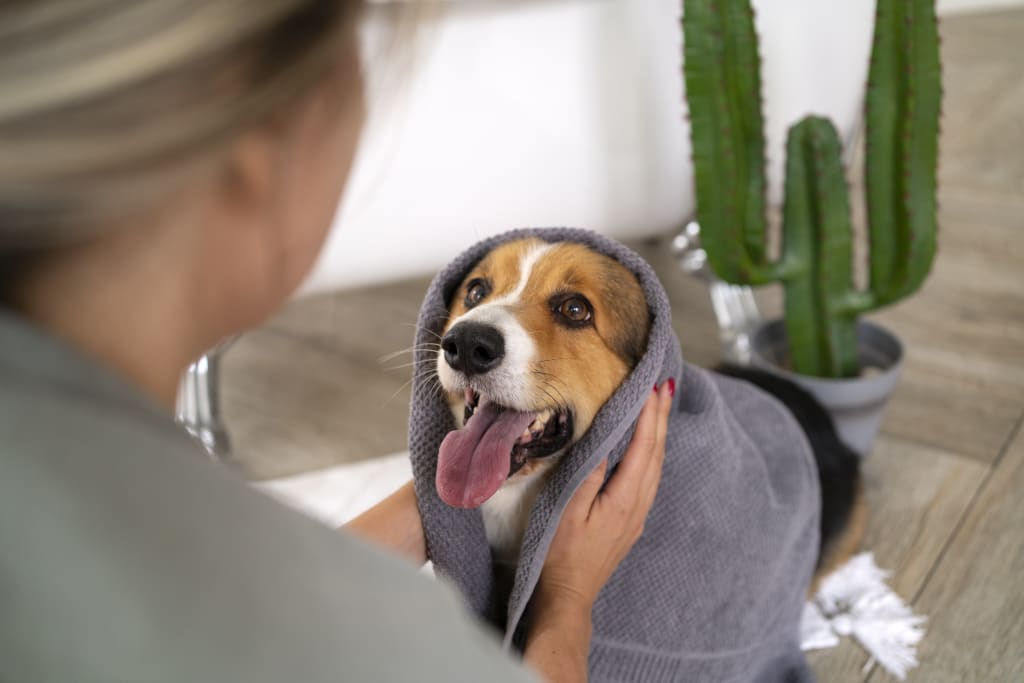
Long-haired pets, whether they’re cats or dogs, need regular grooming to stay clean, healthy, and free of tangles. Grooming isn’t just about keeping your pet looking nice—it’s also important for their overall health and happiness. Here are some useful tips to help make grooming your long-haired pet better and more effective.
Brush Frequently Long-haired pets are prone to mats and tangles that can cause discomfort and possibly lead to skin issues. To prevent this, brush your pet regularly—ideally every day, or at least a few times a week. Use a slicker brush or a wide-tooth comb designed for long-haired breeds to gently work through their coat. This maintains their coat appearing silky and shining while also getting rid of loose fur and preventing matting.
Start Early and Make It a Routine If you can, start grooming your pet while they’re young so they get used to it. Make grooming a part of their daily or weekly routine. Offer treats or positive reinforcement to help them associate grooming with something fun. The more relaxed they are, the easier it’ll be to keep their coat in good shape.
Check for Mats and Tangles Pay extra attention to areas where mats tend to form, like around the ears, under the legs, and near the tail. If you find a mat, use a detangling spray and gently remove it with your fingers or a mat remover tool. Steer clear of scissors as they could inadvertently hurt their skin.
Trim Excess Hair Regular trims can help keep long-haired pets looking their best, especially around areas where mats or dirt easily build up, like the paws, tail, and back end. Trimming the hair between their paw pads can also prevent dirt from accumulating and help them avoid slipping on smooth floors.
Bathe as Needed Long-haired pets don’t need baths regularly might you think, but occasional bathing can help keep them clean and smelling fresh. Use a mild pet shampoo that’s designed for cats or dogs, and make sure to brush them thoroughly before the bath—water can make mats worse! To prevent tangles, towel dry them after the bath and brush again.
Look for Skin Issues As you groom, check your pet’s skin for any signs of irritation, redness, or parasites. Long-haired pets are more prone to skin problems, so catching them early is important. Additionally, if your pet spends a lot of time outside, grooming may help you find fleas or ticks.
Use the Right Tools Having the right grooming tools makes a big difference. Essentials for long-haired pets include a slicker brush, wide-tooth comb, de-matting tool, and detangling spray. If your pet is large or difficult to manage, a pet-friendly grooming table can also help.
Visit a Professional Groomer Sometimes, home grooming just isn’t enough. Regular trips to a professional groomer can ensure that your long-haired cat or dog grooming in Richmond Hill gets the special care it needs, especially if it requires specific cuts or trims.
Be Patient and Gentle For some pets, grooming can be stressful. That’s why it’s important to be patient and gentle. Work slowly, take breaks if needed, and always handle your pet with care. Over time, they’ll get more comfortable with the process, making grooming easier for both of you.
Grooming a long-haired pet takes time, patience, and the right tools, but it’s definitely worth it. Not only will your pet look and feel great, but regular grooming also improves their overall well-being. By following these tips, you’ll help your furry friend maintain a beautiful coat and enjoy stress-free grooming sessions.
About the Creator
Draft Deleting? Don't Do It!
Today, I had a little time. I decided that I would have a look at the drafts that I have on Vocal. This is part of a long-term wish to have everything I've written on paper rather than virtually. I've not looked at them for weeks and something drew me to them, just to browse and see what was there.
By Rachel Deeming4 days ago in Writers
What Is a Seed Phrase and Why Is It Important?
I've witnessed countless heartbreaking stories of people losing fortunes because they didn't understand seed phrases. I've also seen the relief on faces when properly stored seed phrases saved their digital assets from disaster.
By Rowan Meritt6 days ago in Writers




Comments
There are no comments for this story
Be the first to respond and start the conversation.