
The Unseen Infrastructure Behind Every Functional Country Home
A closer look at the essential systems that quietly power, protect, and sustain rural living.

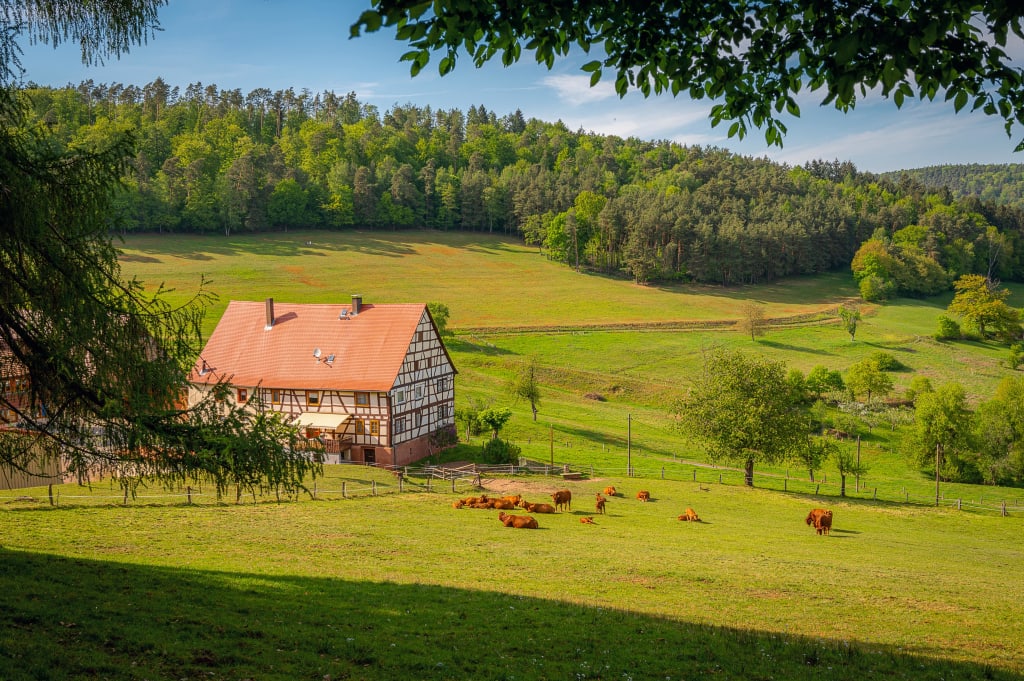
When people imagine life in the countryside, they often picture sweeping landscapes, cozy porches, and the sound of birds instead of traffic. But what most don’t consider is the silent, often invisible network of infrastructure that keeps a rural home functioning day in and day out. Unlike urban environments, country homes don’t always come with ready access to municipal utilities or services. That means homeowners need to be both proactive and informed about the systems running behind the scenes.
From managing waste and water to ensuring a reliable energy supply, let’s take a closer look at the unsung heroes of rural living—the infrastructure systems that make country life possible.
1. Wastewater Management: More Than Just a Pipe Dream
In cities, you flush the toilet and never think twice. But in rural settings, wastewater management is a whole different story. Without access to city sewer systems, country homeowners rely on private septic systems to handle everything from bathroom waste to kitchen water.
A well-designed and properly maintained septic system is essential. Not only does it protect your property and local water sources, but it also ensures long-term sanitation. This is why working with a septic tank specialist is critical. These professionals help homeowners choose the right system for their land, install it to meet environmental standards, and perform ongoing maintenance that prevents costly breakdowns.
Ignoring the importance of a septic system can lead to contamination, unpleasant odors, or even fines for non-compliance. It’s the kind of behind-the-scenes setup you don’t notice—until something goes very wrong.
2. Water Supply: Not Always a Turn of the Tap
In remote or semi-remote areas, water doesn’t just flow from a city source. Rural homes often rely on wells, rainwater collection systems, or even natural springs for their daily water needs. That means the responsibility of water quality, filtration, and pumping systems rests squarely on the homeowner.
Installing proper filtration and UV systems is not a luxury—it’s a necessity. Water tests should be conducted regularly to ensure it’s safe to drink and use. Without the right setup, homes can suffer from low water pressure, contamination, or even water shortages during dry seasons.
A well-functioning water supply system is crucial for everything from cooking and cleaning to livestock care and irrigation. Like other rural systems, it’s often installed out of sight, but its absence would bring daily life to a standstill.
3. Power and Energy: Off-Grid Doesn’t Mean Powerless
While some country homes are connected to the grid, many choose or need to go off-grid. This brings renewable energy solutions to the forefront—especially solar power. With solar panels and battery storage systems becoming more affordable and efficient, it’s easier than ever to maintain a reliable energy supply.
Backup generators are also a staple in rural life, especially in regions prone to storms or power outages. Managing energy storage and distribution may seem complicated at first, but it’s an empowering step toward self-sufficiency.
Smart homeowners also install energy-efficient appliances and insulation to reduce demand on their systems. Here again, infrastructure planning is key—placing batteries, inverters, and wiring in protected yet accessible areas ensures long-term performance.
4. Internet and Communications: Bridging the Digital Divide
We live in a digital world, and rural life shouldn’t mean disconnection. Yet, many country homes struggle with internet access, especially when cellular and broadband networks are limited.
Today, satellite internet and fixed wireless solutions are bridging the gap. It may take some trial and error to find the best provider or setup, but the payoff is worth it. In a time when remote work and online education are growing, having dependable internet is not a luxury—it's a necessity.
Running cable and installing signal boosters or tower antennas may seem like extra work, but again, it’s all part of that unseen but essential infrastructure.
5. Roads and Access: The Last Mile Matters
It might not feel like “infrastructure,” but the condition of your driveway or access road can significantly affect your quality of life. Poorly maintained roads can delay deliveries, deter visitors, and make emergency services harder to reach you.
Rural homeowners often have to manage gravel, drainage, and grading themselves. Investing in good-quality materials and considering long-term durability pays off. Your road is literally the path to your home—it should be as reliable as the rest of your systems.
Final Thoughts
Life in the countryside is rewarding, peaceful, and deeply connected to nature. But it also requires a greater degree of responsibility. The unseen infrastructure that powers, feeds, and supports your home deserves just as much attention as your interior design or landscaping.
From wastewater systems to energy independence and reliable water sources, every component plays a crucial role in your quality of life. The beauty of rural living lies not just in the views—but in the systems that keep everything running smoothly behind the scenes.
Whether you're building from scratch or renovating an old farmhouse, remember: a functional home starts with strong foundations—even the ones you don’t see.
About the Creator
Rachel Henderson
Rachel Henderson is a Product and Customer Experience Specialist at RI-Industries, where she helps South Australian homeowners and builders find the right septic and water storage solutions.
Keep reading
More stories from writers in Writers and other communities.


Comments
There are no comments for this story
Be the first to respond and start the conversation.