
The Silent Struggle: The Human Cost of Unemployment and Underemployment
Exploring the Challenges of a Workforce Left Behind
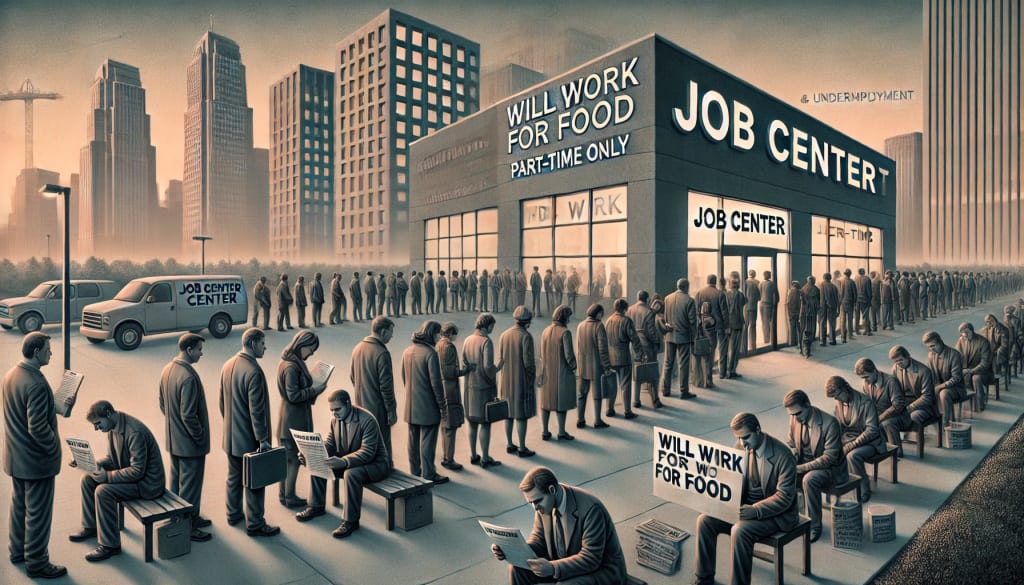
The Silent Struggle: The Human Cost of Unemployment and Underemployment
On a crisp Monday morning, Maria sits by the window of her small apartment, scrolling through job postings on her phone. Her coffee grows cold as the same unappealing listings reappear, each demanding skills she doesn’t possess or offering pay she cannot survive on. It’s been eight months since Maria lost her full-time position at a local marketing firm. Now, she cobbles together part-time gigs and freelance work, struggling to make ends meet.
Maria’s story is not unique. Across the globe, millions of people grapple with the twin challenges of unemployment and underemployment. While unemployment is the absence of work, underemployment—the condition of working in jobs that do not match one’s skills, education, or needs—is a quieter crisis. Together, these issues form a hidden epidemic that threatens not just livelihoods, but dignity, mental health, and the fabric of society itself.
The Unseen Faces of Unemployment
Unemployment wears many faces. For some, it’s the young graduate navigating a saturated job market, submitting resumes into a void. For others, it’s the mid-career professional displaced by automation, unable to find work that matches their expertise. And for the older worker nearing retirement, it’s the painful realization that their age has become a barrier to employment.
The economic consequences of unemployment are glaring: loss of income, increased reliance on government assistance, and slowed economic growth. But the human cost is often overlooked. Prolonged joblessness chips away at self-esteem and breeds feelings of helplessness and isolation. Studies have shown that unemployment correlates with higher rates of depression, anxiety, and even physical health issues such as heart disease.
In Maria’s case, the toll is emotional as well as financial. She once thrived in her career, feeling valued and purposeful. Now, she questions her worth as she struggles to support herself and her daughter.
The Hidden Crisis of Underemployment
While unemployment garners headlines, underemployment lurks in the shadows. It affects those who are employed but not adequately utilized—workers stuck in part-time roles who need full-time hours, or professionals forced into jobs that don’t require their education or skills.
Underemployment often goes unnoticed because it doesn’t show up in traditional unemployment statistics. Yet, its effects can be just as damaging. Workers earn less than they need, leading to financial instability and a diminished quality of life. Moreover, they experience frustration and stagnation, as their talents are wasted in roles that don’t challenge or fulfill them.
Consider James, a mechanical engineer who now works as a cashier at a supermarket. After being laid off during an economic downturn, he took the job to pay the bills. Three years later, he’s still there, unable to find a position in his field. James represents the "working poor"—individuals who work tirelessly yet remain trapped in cycles of poverty and underachievement.
The Root Causes
The causes of unemployment and underemployment are multifaceted and interwoven. Economic shifts, technological advancements, and globalization have reshaped labor markets, often to the detriment of workers.
1.Economic Shocks: Recessions and economic crises lead to widespread job losses. The COVID-19 pandemic, for instance, left millions unemployed or underemployed as businesses shuttered and industries collapsed.
2.Automation and Technology: Machines and AI increasingly perform tasks once handled by humans, from manufacturing to data analysis. While these advancements boost productivity, they also displace workers, particularly in industries reliant on routine tasks.
3.Globalization: Outsourcing and offshoring have moved jobs to countries with cheaper labor, leaving workers in developed nations to compete for fewer positions.
4.Education and Skill Gaps: Rapid changes in technology and industry create demand for specialized skills that many workers lack. Meanwhile, educational systems struggle to keep pace, leaving graduates ill-prepared for the modern job market.
5.Discrimination and Bias: Structural inequalities—based on race, gender, age, or disability—limit opportunities for many, forcing them into unemployment or low-quality jobs.
The Ripple Effects on Society
Unemployment and underemployment extend their reach beyond individuals, affecting families, communities, and economies. Families struggle to afford housing, healthcare, and education, perpetuating cycles of poverty. Children in households facing economic hardship often experience stress and limited opportunities, which can impact their future prospects.
Communities, too, bear the brunt. Areas with high unemployment rates often see increases in crime, substance abuse, and social unrest. Businesses suffer as consumer spending declines, creating a vicious cycle of economic stagnation.
On a national scale, governments face mounting pressure to address these issues, often resorting to increased spending on welfare programs, which strains public finances.
The Way Forward
Addressing unemployment and underemployment requires a multifaceted approach that involves governments, businesses, and individuals.
1.Job Creation and Economic Stimulus: Governments can invest in infrastructure projects, renewable energy, and technology to create new jobs. Tax incentives for businesses to hire and train workers can also spur employment.
2.Education and Reskilling: Adapting education systems to meet the demands of the modern workforce is crucial. Schools should emphasize digital literacy, critical thinking, and adaptability. For those already in the workforce, accessible reskilling programs can help workers transition to new industries.
3.Support for Small Businesses: Small and medium-sized enterprises (SMEs) are vital engines of job creation. Policies that provide financial support, reduce regulatory burdens, and encourage entrepreneurship can stimulate growth.
4.Universal Basic Income (UBI): A controversial but increasingly discussed solution, UBI provides a guaranteed income to all citizens, regardless of employment status. Proponents argue it offers financial security in an era of technological disruption.
5.Workplace Flexibility: Encouraging remote work, flexible hours, and part-time opportunities can help workers balance multiple roles and alleviate underemployment.
6. Addressing Inequality: Combating discrimination in hiring practices and ensuring equal pay for equal work are essential steps toward a fairer labor market.
A Glimmer of Hope
Despite the challenges, stories of resilience and innovation offer hope. Maria, for example, has begun attending free online courses in digital marketing. She’s learning to adapt her skills to the evolving job market, inspired by the belief that change, though difficult, is possible.
Meanwhile, initiatives around the world are making a difference. In Kenya, a program called Ajira Digital trains young people in freelancing skills, helping them access global job opportunities. In Germany, a robust apprenticeship system bridges the gap between education and employment, providing young workers with hands-on experience and stable career paths.
Conclusion
Unemployment and underemployment are more than economic problems—they are human ones. They rob individuals of purpose, families of stability, and societies of progress. Yet, these challenges also present an opportunity: a chance to rethink how we value work, how we educate our workforce, and how we support those left behind.
By addressing the root causes and embracing innovative solutions, we can build a future where everyone has the opportunity to thrive. It’s a vision of a world where Maria, James, and countless others no longer struggle in silence but find dignity, security, and hope in their work.
The road ahead is long, but it is one worth traveling—for the sake of individuals, families, and the communities that depend on them.
About the Creator
Where Dreams Loved Me Back
chapter 1 Chapter One: The Quiet I Learned to Carry Matthew’s perspective, I don’t remember when life started feeling heavy. It wasn’t sudden — it was gradual, like carrying a bag that someone kept adding weight to until one day I realized I couldn’t put it down anymore.
By Anshu Giri2 days ago in Writers
The Devil's Cut
“Comrade, finally you’re awake.” The voice was smooth, sensual. A flickering incandescent bar was all that lit the white, sterile room. All Vladimir remembered was everything going black. He tried to move his arms and found them strapped to the gurney.
By Matthew J. Fromm4 days ago in Fiction


Comments
There are no comments for this story
Be the first to respond and start the conversation.