
The role of psychology in social change surrounding Black Lives Matter
Shaping Behavior and Actions

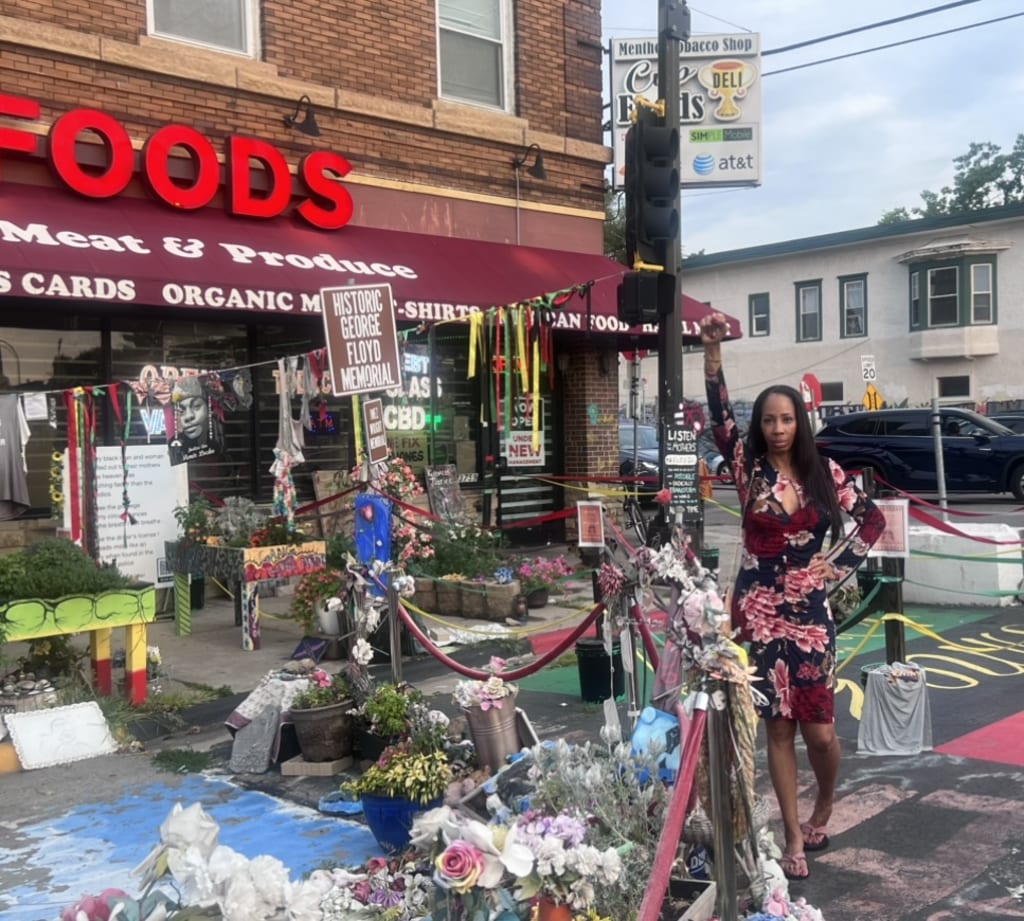
Psychology plays a crucial role in understanding, addressing, and promoting social change surrounding the Black Lives Matter (BLM) movement. Psychologists have provided intense research on implicit bias and its impact on racial attitudes and behavior. It’s important to understand how implicit biases affect judgments and decision-making can shed light on the disparities faced by Black individuals in various aspects of life, from education to criminal justice.
Theoretical frameworks in psychology play a significant role in shaping behavior and actions related to the Black Lives Matter (BLM) movement and broader social justice initiatives. Several psychological theories and concepts contribute to our understanding of behavior in the context of BLM such as the social identity theory and the collective action theory. With the social identity theory, theory helps explain why individuals become actively engaged in movements like BLM. Social identity theory suggests that people align themselves with social groups that they identify with. BLM provides a platform for Black individuals to assert their social identity and fight against racial injustice.
There seems to be little change after the incident. In fact, after speaking to residents who reside in Minneapolis stated that the neighborhood has not gotten any better. Police will not enter the neighborhood making it a paradise for crime, drugs, and other illegal activity. A recent study investigated whether the murder of George Floyd and the subsequent societal response had any discernible impact on everyday interactions between the public and law enforcement. The results concluded that such alterations in police-citizen cooperation were likely to vary based on neighborhood characteristics and demographic factors.
For example, in situations where individuals lack viable alternatives to address criminal incidents on their own, they may still resort to seeking police assistance, despite harboring low levels of trust in law enforcement. The study showed that Black victims of crime tended to report victimization more frequently than Hispanic/Latino victims, who, in turn, report it more often than White victims.
The willingness to contact the police or seek help, in general, seems to vary depending on the type of crime and the specific attributes of both victims and perpetrators. Ultimately, the public's readiness to cooperate with the police may hinge on the nature of the actions taken by law enforcement. The study revealed that there was a significant drop in calls for police service once news of the incident became widely known, but over the years, these calls gradually increased.
In addition, recent studies emphasize the unique experiences of Black women and LGBTQ+ individuals, highlighting the need for inclusive mental health support. Despite facing adversity, many individuals within affected populations demonstrate resilience and adaptive coping strategies.
Addressing concerns regarding ethnic inequality within the context of the Black Lives Matter (BLM) social change and social justice movement is crucial. For example, Ethnic inequality is exacerbated by systemic racism, which includes discriminatory practices within law enforcement agencies. Recent incidents of police violence against Black individuals, such as the murder of George Floyd, underscore the urgent need for police reform.
There is a pressing need for a series of comprehensive initiatives that foster collaboration among mental health professionals, law enforcement agencies, and communities to address a broad spectrum of mental health and public safety concerns. These include but are not limited to issues related to individuals with serious mental illnesses, child protection, gender-based violence, immigration status, and the mental well-being of law enforcement officers.
Effective strategies should focus on improving community engagement and active listening, recognizing that the involvement and support of local communities are pivotal to the success of such programs.
Psychology plays a pivotal role in addressing historical biases and oppression and supporting social change and social justice movements for targeted oppressed populations. For example, Psychology research examines the origins and consequences of biases and stereotypes against oppressed populations.
Recent research emphasizes the effectiveness of implicit bias training programs in reducing biases among individuals, including those in positions of power and influence. These programs use psychological insights to address unconscious biases and promote fair and just treatment. Community-based interventions and support networks can positively impact the psychological well-being of individuals affected by BLM. Recent efforts focus on creating safe spaces for healing and empowerment.
In conclusion, recent research underscores the significant impact of the BLM movement on the psychological well-being of affected populations, particularly ethnic minorities. While BLM highlights challenges and disparities, it also emphasizes the resilience, strengths, and potential for positive change within these communities.
About the Creator
Marlena Hunter, M.A., MFT
Marlena Hunter is a University of California graduate with a degree in psychology and has several years of experience in clinical settings as a marriage and family therapist.
https://www.facebook.com/100WaystoOvercomeShyness
Keep reading
More stories from writers in Writers and other communities.
Wild Card Weekend Recap: What Happens Now?
I think I figured out why I love Wild Card Weekend so much. It's because it's the first playoff anything of the calendar year. The NFL season starts in the fall, and once upon a time, the champion was crowned either on or slightly before New Year's. The evolution of the NFL schedule has resulted in the playoffs starting just into the New Year, and currently, the final week of the season falls on the first weekend of the New Year, with Wild Card Weekend coming a week after that. So yes, chronologically, the NFL's Wild Card Weekend serves as the first playoff anything of the calendar year.
By Clyde E. Dawkins7 days ago in Unbalanced




Comments
There are no comments for this story
Be the first to respond and start the conversation.