
The Role of Placemats in Table Setting: Enhancing Style and Protecting Surfaces
The Perfect Balance of Functionality and Design in Every Meal

When it comes to dining, the aesthetics of a well-set table can enhance the overall experience, making meals more enjoyable and memorable. One often-overlooked element in table setting is the placemat. These functional yet decorative items play a crucial role in both style and practicality, serving as a foundation for your table decor. In this article, we will explore the various functions of placemats, their impact on style, and how they contribute to the protection of your surfaces.
The Functional Aspects of Placemats
Placemats are primarily designed to protect table surfaces from scratches, heat, and spills. A well-placed mat can absorb moisture and food particles, preventing damage to the table underneath. This is particularly important for wood tables, which can warp or stain if not properly cared for. For example, a hot dish placed directly on a wooden surface can cause unsightly burns, while a wet glass can leave rings that are difficult to remove. Placemats create a barrier between your dishes and the table, ensuring longevity and maintaining the table’s appearance.
In addition to protection, placemats also help define individual dining spaces. In formal settings, they delineate where each diner should sit, helping to create an organized and pleasant atmosphere. This separation can be particularly beneficial in larger gatherings, where multiple courses are served, or when using larger dining tables. By clearly marking each place setting, placemats contribute to a more structured and appealing dining experience.
Enhancing Style and Aesthetics
While their practical benefits are undeniable, placemats are also a vital design element in table settings. They come in a wide variety of materials, colors, and patterns, allowing for endless customization based on personal style and the occasion. Whether you prefer the rustic charm of woven straw, the elegance of linen, or the modern appeal of vinyl, there is a placemat to suit every taste.
Color and Pattern Coordination
The color and pattern of placemats can significantly influence the overall aesthetic of a table setting. For example, bold colors can serve as a focal point, drawing attention to the table, while softer hues can create a more subtle and sophisticated ambiance. Placemats with intricate patterns can add texture and visual interest, making the table setting feel more dynamic.
When coordinating placemats with other table elements, it’s essential to consider the colors of your tableware, centerpieces, and even the walls of your dining space. A well-coordinated table not only enhances the dining experience but also reflects the host's attention to detail. For instance, pairing patterned placemats with solid-colored dishes can create a balanced look, while mixing different patterns can add a playful touch, as long as they complement each other.

Thematic Settings
Placemats can also help reinforce a theme for a meal or event. For instance, using beach-themed placemats adorned with seashells and ocean colors can set the tone for a summer seafood dinner. Similarly, during the holidays, festive placemats featuring seasonal motifs can enhance the celebratory atmosphere. These thematic elements contribute to the overall experience, making meals feel special and tailored to the occasion.
Practical Considerations for Choosing Placemats
When selecting placemats, there are several factors to consider to maximize their functionality and style:
Material: Choose a material that fits your needs. Fabric placemats are elegant and suitable for formal dining but may require more maintenance. Vinyl or plastic options are easy to clean and ideal for casual meals.
Size and Shape: Ensure that the placemats are appropriately sized for your table and dishes. Standard placemat sizes typically range from 12” x 18” to 14” x 20”. Additionally, consider the shape of your table—round tables may benefit from round placemats, while rectangular tables can accommodate various shapes.
Washability: Depending on your dining habits, consider how easy it is to clean the placemats. Some materials are machine washable, while others may require spot cleaning or hand washing.
Seasonal Use: Consider having a set of placemats for different seasons or occasions. This allows you to easily switch up your decor and keep your dining experience fresh and exciting.
The Final Touch: Layering Placemats
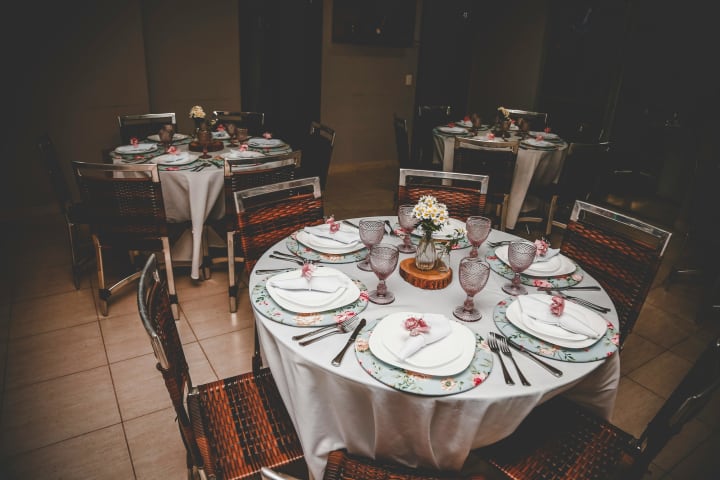
Layering placemats can add depth and richness to your table setting. For example, using a larger, neutral placemat as a base and layering a smaller, patterned one on top can create visual interest and complexity. This technique allows for creativity and can elevate the overall look of the table. Mixing textures—like a soft linen with a woven mat—can also enhance the tactile experience for diners
About the Creator
It's Winter
Anne Bernays and Pamela Painter — What If? Writing Exercise for Fiction Writers prompts The Exercise —Write a scene involving two characters. Have the point-of-view character presume something entirely different about the situation from what the other character's overt behavior seems to imply. For example, a landlord comes to visit, and the tenant suspects that it isn't a visit but an inspection. Make up several situations in which one character can fantasize or project or suspect or even fear what another character is thinking. The Objective - To show how your characters can use their imaginations to interpret the behavior and dialogue of other characters.
By Denise E Lindquist20 days ago in Writers



Comments
There are no comments for this story
Be the first to respond and start the conversation.