
The Rapid Rise of Social Media Users
Transforming Communication and Society

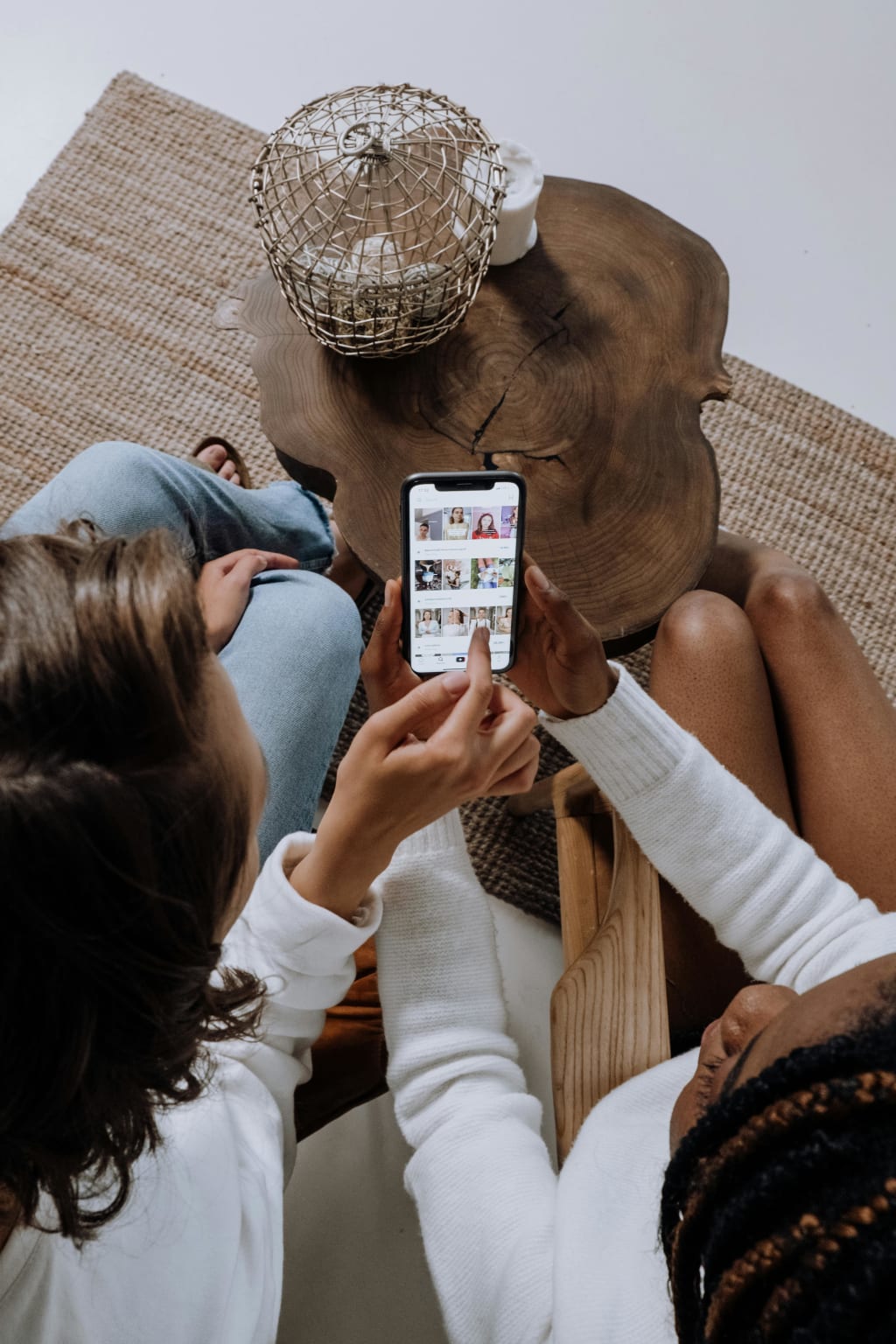
In recent years, social media has evolved from a simple communication tool into a monumental global force, reshaping not just the way we connect with each other, but also how we consume information, engage with businesses, and navigate the world. The proliferation of social media platforms has led to a rapid surge in their user base, making it one of the most significant and far-reaching phenomena in modern society. This unprecedented rise in social media users is a testament to the platform's ability to cater to an array of human needs—whether personal, professional, or social.
The Explosive Growth of Social Media
As of 2024, over 4.7 billion people across the world are active social media users, with an annual growth rate that continues to accelerate. Social media platforms such as Facebook, Instagram, Twitter, LinkedIn, TikTok, and others have collectively amassed billions of users, and this number is expected to increase exponentially in the coming years. What was once the domain of the younger demographic has expanded to include all age groups, from teenagers to senior citizens, reflecting the universal appeal and necessity of these platforms.
This explosion in user numbers can be attributed to several factors. Firstly, the accessibility of the internet has expanded dramatically, especially with the advent of affordable smartphones and improved mobile data networks. Social media platforms have adapted to be mobile-friendly, allowing users to connect from virtually anywhere, whether in rural or urban settings, further fuelling their growth.
Moreover, the growing shift toward digital communication, accelerated by the COVID-19 pandemic, has made social media an indispensable tool for work, education, entertainment, and socializing. With lockdowns and social distancing measures in place, people turned to platforms like Zoom, Facebook, and Instagram not only to stay connected with loved ones but also to work remotely, attend virtual events, and pursue hobbies. This shift has ingrained social media as a fundamental part of daily life.
The Impact of Social Media on Communication
The most obvious impact of the rise in social media users is the transformation of communication. Social media has revolutionized how we interact with each other, breaking down geographical barriers and enabling instantaneous communication across the globe. What used to take days or weeks—whether sending a letter or waiting for a phone call—now happens in mere seconds. A simple post, tweet, or message can reach millions in a matter of minutes, creating a new era of global interconnectedness.
Social media has also provided a platform for diverse voices to be heard. Individuals and groups who were previously marginalized now have the ability to share their stories and perspectives with a wider audience. This democratization of information is one of the most powerful aspects of social media, as it allows for a multiplicity of viewpoints and discussions on various topics, ranging from politics and activism to entertainment and personal development.
However, while the rise of social media has facilitated global communication, it has also raised concerns regarding the quality of discourse. The prevalence of misinformation, echo chambers, and polarized views has prompted calls for greater accountability and regulation on social media platforms. Despite these challenges, the power of social media to foster connection, collaboration, and global dialogue cannot be underestimated.
Social Media’s Influence on Business and Marketing
The exponential rise of social media users has had profound implications for businesses and marketers. With billions of active users engaging with content on a daily basis, social media has become a crucial arena for marketing, advertising, and brand engagement. Companies, regardless of size, can now reach global audiences through targeted advertising, influencer partnerships, and organic social media campaigns.
Social media allows businesses to communicate directly with consumers, creating a two-way dialogue that was previously difficult to establish in traditional marketing channels. Consumers can provide immediate feedback, ask questions, and share experiences, allowing brands to refine their products and services. Additionally, platforms like Instagram and TikTok have given rise to influencer marketing, where individuals with large followings promote products or services, shaping consumer behavior in ways traditional advertising could not.
Moreover, social media has played a pivotal role in e-commerce. The ability to shop directly from platforms like Facebook and Instagram has blurred the lines between social interaction and commercial transactions, creating a seamless shopping experience for users.
The Dark Side of Social Media Growth
Despite the numerous advantages, the rapid rise of social media has also raised significant concerns, particularly regarding its impact on mental health and privacy. Research has shown that excessive social media use can lead to anxiety, depression, and a distorted sense of reality, especially among younger users. The constant need for validation through likes and comments can lead to a skewed self-image, exacerbating issues related to body image and self-esteem.
Furthermore, the mass collection of personal data by social media platforms has raised serious privacy concerns. Users often unknowingly trade their personal information in exchange for free services, leading to potential misuse of their data. This has sparked debates around digital privacy, cybersecurity, and the ethical responsibilities of social media companies.
Conclusion: A Double-Edged Sword
The rapid rise of social media users is an extraordinary phenomenon that continues to reshape communication, business, and society at large. While it offers unparalleled opportunities for connection, growth, and innovation, it also brings with it significant challenges related to mental health, privacy, and the quality of public discourse. As we continue to integrate social media into our daily lives, it is essential to strike a balance between harnessing its power for positive change and mitigating its potential risks. The future of social media is a reflection of our collective ability to navigate this complex digital landscape with responsibility, creativity, and ethical consideration.
About the Creator
Muhammad Faizan Khan
I'm a licensed pharmacist, skilled writer, and content creator. With expertise in health, lifestyle, finance, and technology, he crafts insightful content that empowers readers to make informed decisions about their well-being and success.
Keep reading
More stories from Muhammad Faizan Khan and writers in Writers and other communities.
The Vital Importance of Women's Health
Women's health has long been a cornerstone of global healthcare discussions. However, as our understanding of health deepens and evolves, it becomes increasingly clear that women's health is far more than just the sum of physical well-being. It is a multi-faceted, intricate interplay of emotional, mental, physical, and social dimensions. This holistic view of health is essential for truly addressing the unique and varied needs of women across the world. As society continues to change, so too must our approach to the health of women—moving beyond one-size-fits-all solutions to strategies that are personalized, preventative, and empowering.
By Muhammad Faizan Khanabout a year ago in Humans
How 10 Minutes of Morning Yoga Changed My Energy Levels
When I Realized Something Was Wrong I’m not lazy. I like staying active. But my routine was inconsistent. Some days I would try a long workout, get sore, then quit for a week. Other days, I did nothing at all.
By Theworkouthaven.com5 days ago in Writers




Comments
There are no comments for this story
Be the first to respond and start the conversation.