
The Power of Animal Nicknames
Exploring strength, shame, and societal expectations.

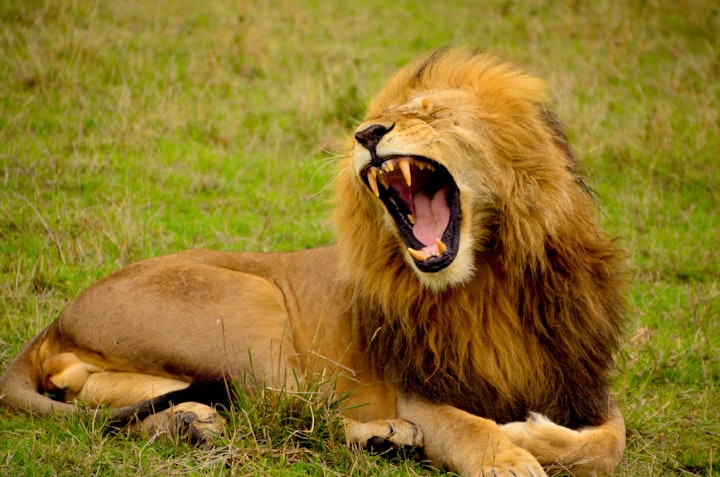
Many cultures compare children to animals to recognise their unique qualities. For example, in some cultures, being called a "Shair" (lion) is considerable praise which means you are brave and can overcome any obstacle. On the contrary, if someone has trouble being productive or addressing challenges, he might be called a "Khota," which means "donkey," and it is an insulting word.
In this exciting list of animal similarities, there is an odd relationship between animals' traits and how people think about them. For example, people often think of lions as strong and dominating, while donkeys, even though they are friendly and don't attack, are considered weak.
This shows how we talk about morals and social norms through animals. People often want to be connected with lions instead of donkeys because they want to be strong, brave, and in charge.
On the other hand, if we compare these qualities with real life in the Jungle, lions are cruel; they will hunt in case of hunger (they will not compensate any other living organism, whether a deer, a cow, or a goat).
But being called a lion makes people feel good about themselves because it makes them sound brave and strong. It makes me wonder why we admire those who are so cruel. In reality, though, lions in the wild are cruel killers who kill deer, cows, and goats to get food.
However, calling someone a donkey is disrespectful since it implies weakness. While donkeys will never harm anyone, they will not kill anyone’s child and will eat whatever green matter or sometimes dry fodder (wheat straw) they find. They are not killers, so why being called a Donkey is abuse? In human society, power and strength are the main criteria for judging personal abilities.
Similarly, "Kukar/Mugha" (rooster) symbolizes vigilance and regularity in certain societies. However, labelling someone as "Kukar" may imply that they are loud, restless, and unpleasant. Another nickname for the boys is "Bheriya" (wolf), which is given to a person who is cunning and deadly greedy.
In some cultures, girls who are not wise or cannot learn something in one go are compared to sheep. In our society, calling someone a sheep is an insult. It means that the person lacks independent thought. Similarly, if someone gets anxious quickly over small matters, they are said to have the heart of a sparrow and she is not strong.
These animal metaphors also represent societal beliefs towards what is good and bad. People may behave like lions to gain admiration and recognition while avoiding behaviours that appear weak or dumb to avoid being labelled as "donkeys."
Did you ever hear similar remarks growing up or in your community? What unique animal comparisons have you noticed around your area? It's interesting to consider whether animals may compare their children to people from various countries. I just had a thought!
-------------------------------------------------------------------------------------
I initially published it on Medium and all copy rights
About the Creator
Ameer Bibi
I am a mother of three. My life is full of stories and I love to read human stories.
Keep reading
More stories from Ameer Bibi and writers in Writers and other communities.
From Local Voices to Real Impact: Community-Driven Neighborhood Revitalization
Across many cities and towns, neighborhoods are beginning to transform through the determination and creativity of their own residents. Instead of waiting for outside agencies to solve local problems, community members are stepping forward to guide development and improvement efforts. As a result, community-driven revitalization is gaining momentum as a practical and empowering approach to neighborhood renewal.
By Convoy of Hope5 days ago in Writers




Comments (7)
It's fascinating to learn about animal nickname..
Oh! Interesting fact
Asslamualaikum mam kya isme earning hoti hai plz tell me
Lion is a powerful creature and an honor to be called one in our culture too! Donkey is not as good.
Honestly I don't know about this fact... Thanks for telling me...
Wow, learned an animal nickname today! A wonderful day. The answer for your question is yes. In our community we have several names for specific animals!
Nope, we don't have this practice in our culture so I feel it's very fascinating. I wanna be a bheriya hehehehehehe. What language is that?