
The Last Bench Dreamer
A journey from being invisible to becoming unstoppable.
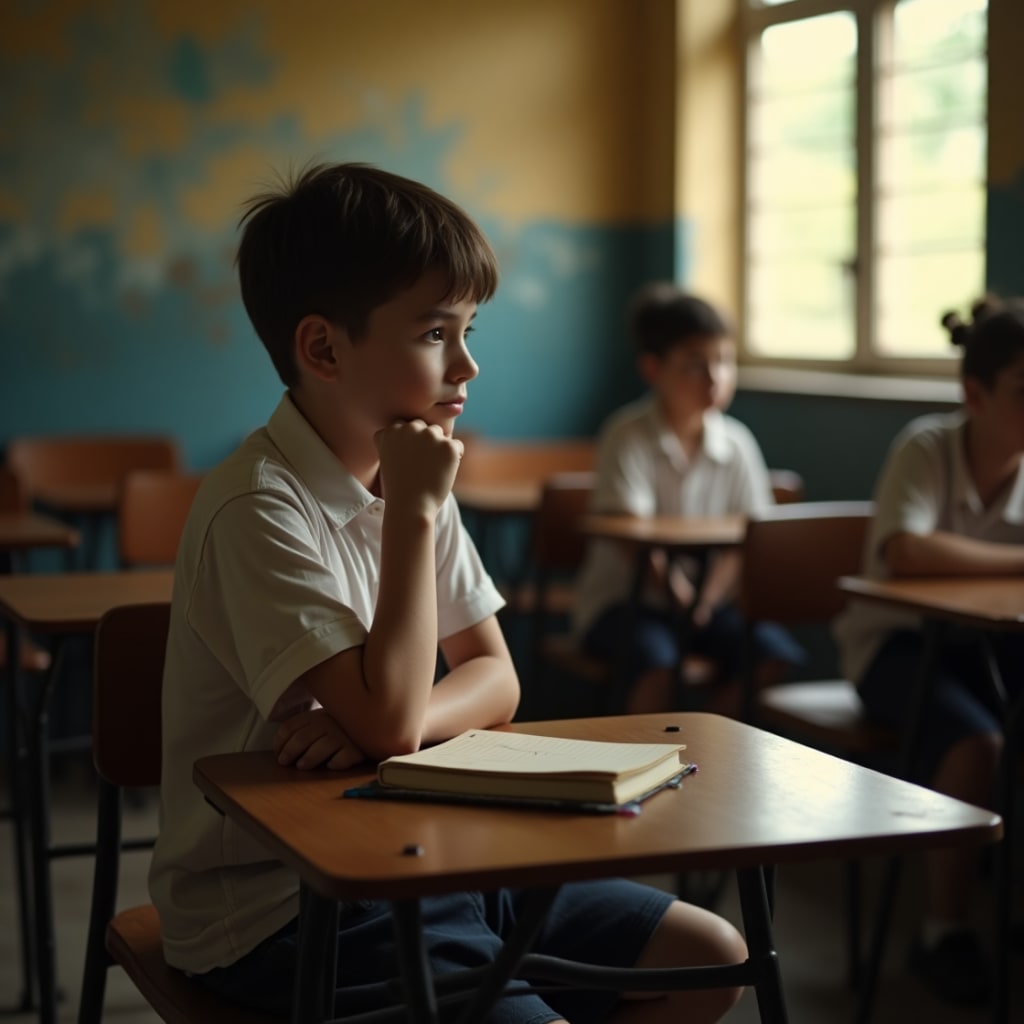
I always used to think that the back bench of a class was a seat for those who had already lost hope.
At least, that's what the world led me to believe.
My name is Sourove, a boy from a small town in Bangladesh where dreams were luxuries, not essentials. I wasn't the sharpest kid in class. Every exam, every viva, every question from every teacher was a fight I lost before I even started. I found refuge at the back bench — inconspicuous, untroubled, and out of sight from disapproving eyes.
"You're wasting your life," my father would say, his voice tough and weary.
"You'll never amount to anything," my school class teacher once said after I scored 33 out of 100 in Maths.
I listened to them.
Until an afternoon changed my life.
It was the last day before winter break. Our headmaster had arranged for a story contest — "Whichever student is able to tell the best fantasy tale will get a new bike," he announced. I did not own a bike. Watching the other children flying past me each morning on the way to school made my heart silently envy them.
As the teacher asked for volunteers, I don't know what overcame me. My hand went flying up.
The entire class burst into laughter. Arif? The last bencher? Storytelling?
"Let him try," the headmaster said perhaps because he took pity on me more than he thought.
In the evening, I worked late by the feeble glow of our broken kerosene lamp. I wrote and rewrote, erased and edited. My words may or may not make sense. I didn't know. But one thing I did know — they were mine.
The next morning, my hands trembled in front of the mic. My forehead sweated, even on that chilly December morning.
"My title is 'The Broken Clock'," I began.
It was about a boy whose broken clock stopped ticking but instead of throwing it away, he wound it up every morning, believing one day it would tick again. People mocked him, telling him it was useless. But the boy never lost hope. Years passed, and that broken clock started ticking again — just when he needed hope most.
When I finished, the room was silent. Dead silent.
Then, softly, a clap.
Then harder.
Then the whole hall erupted into applause.
For the first time in my life, I saw something different in their eyes — not disappointment, not pity, but respect.
I had won the contest. I came home with the bicycle, but more importantly, I came home with something much more precious: belief in myself.
After that, I began living differently.
I read more books — fiction books, biography books, anything I could get my hands on. I asked questions at school, even when my voice shook. I flunked occasionally, most often indeed. But I kept going.
Teachers began to notice. One even called me "The Silent Fighter."
Years went by. Today I am a published author.
My books are being read everywhere in the country. People invite me to schools, colleges, seminars — not as a last bencher, but as a guest of honor.
Whenever I am able to stand at a podium, I look around and think if there is a quiet boy somewhere in the back who feels he's not good enough.
I always say to them:
"The world loves to judge based on where you sit today. But only you choose where you stand tomorrow."
Because dreams don't just belong to the first benchers.
Dreams belong to anyone with the courage to believe.
Even a last bench dreamer like me.
About the Creator
Keep reading
More stories from Sourove Kumar and writers in Writers and other communities.
Letters to the Sky: A Story of Dreams, Hope, and an Unexpected Love
In a small town nestled in green hills and whispering rivers, there lived a reserved girl named Aisha. She was the type of girl who believed magic existed in everyday things—sunsets, raindrops, the smell of old books. But most importantly, Aisha had faith in her dreams. As a child, she had a habit of writing letters to her future self.
By Sourove Kumar11 months ago in Writers
If You Write A Book, Don’t Tell Anyone
There are days when I’m grateful Amazon doesn’t tell me specifically who has bought my book and who hasn’t. If they did, I would be heartbroken when I read the list and noticed all the important names in my life were not on my list of customers.
By Ellen Frances23 days ago in Writers
The Accidental Novelist
I never intended to write a novel. But I did. And HarperCollins published it. Titled The Gorgeous Girls, it was based on a number of pieces I'd written for Toronto's NOW magazine. They appeared in NOW's feature, Naked City, which was all about love and sex.
By Marie Wilson5 days ago in Writers


Comments (1)
Beautiful