
The Impact of Climate Change on U.S. Coastal Cities
Impact of Climate Change on U.S.

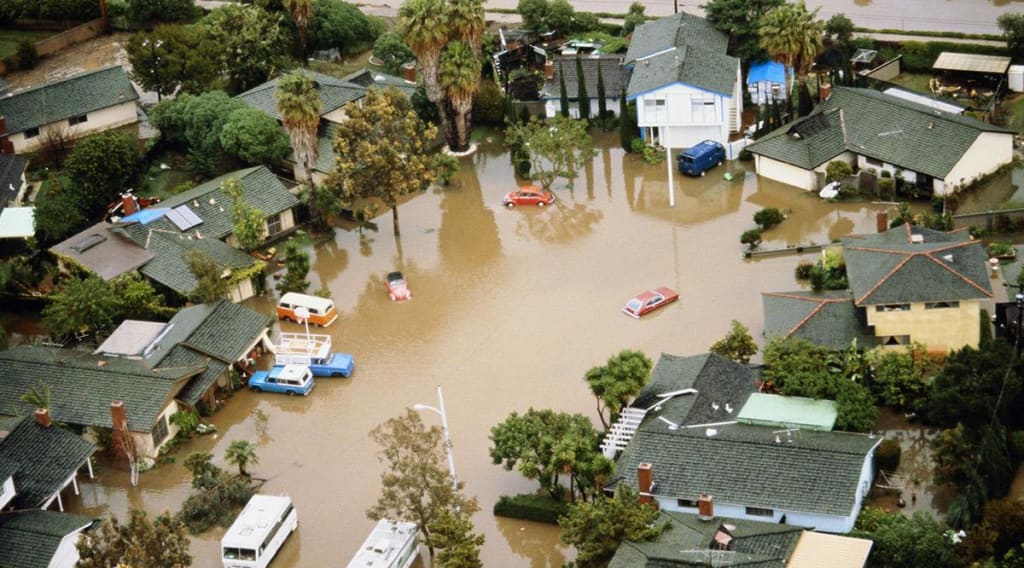
Climate change is an escalating global crisis, and its effects are particularly pronounced in U.S. coastal cities. These urban areas are facing a multitude of challenges due to rising sea levels, increased frequency of extreme weather events, and shifting environmental conditions. Here’s a closer look at how climate change is impacting these vital regions:
Rising Sea Levels
One of the most significant threats to coastal cities is the rising sea levels. As global temperatures increase, polar ice caps and glaciers melt, contributing to higher ocean levels. Cities like Miami, New York, and New Orleans are experiencing more frequent flooding, even during high tides, known as “sunny day flooding.” This not only disrupts daily life but also damages infrastructure and erodes coastlines.
Increased Frequency of Extreme Weather Events
Climate change is linked to an increase in the frequency and intensity of extreme weather events, such as hurricanes and tropical storms. Coastal cities are particularly vulnerable to these events, which can cause widespread destruction. For example, Hurricane Sandy in 2012 caused extensive damage to New York City, highlighting the need for improved resilience and preparedness.
Economic and Social Impacts
The economic impact of climate change on coastal cities is substantial. Flooding and storm damage can lead to costly repairs and loss of property value. Additionally, tourism, a major economic driver for many coastal cities, can be negatively affected by the degradation of natural attractions and increased weather-related disruptions.
Socially, the effects of climate change can exacerbate existing inequalities. Vulnerable populations, including low-income communities and minorities, often bear the brunt of climate-related disasters. These groups may have fewer resources to recover and adapt, leading to increased displacement and long-term socio-economic challenges.
Environmental Changes
Climate change also brings about significant environmental changes. Coastal ecosystems, such as wetlands and coral reefs, are under threat. These ecosystems provide critical services, including storm protection and habitat for marine life. Their degradation can lead to a loss of biodiversity and further weaken the natural defenses of coastal cities.
Adaptation and Mitigation Strategies
In response to these challenges, many U.S. coastal cities are implementing adaptation and mitigation strategies. These include building sea walls, restoring natural barriers like mangroves and wetlands, and updating building codes to improve resilience. Additionally, cities are investing in sustainable infrastructure and green energy to reduce their carbon footprint and mitigate future impacts.
Conclusion
The impact of climate change on U.S. coastal cities is profound and multifaceted. Addressing these challenges requires a comprehensive approach that includes both immediate adaptation measures and long-term mitigation strategies. By taking proactive steps, coastal cities can enhance their resilience and protect their communities from the ongoing and future impacts of climate change.
About the Creator
Sazeeb Chowdury
Passionate writer with a knack for crafting engaging content. Experienced in marketing, mental health, and tech reviews. Always curious, always learning. Let’s connect and create something amazing together!
Keep reading
More stories from Sazeeb Chowdury and writers in Writers and other communities.
The Fading Horizon
In the vast expanse of human experience, the concept of loss resonates deeply. It is a universal theme that transcends cultures, eras, and personal circumstances. Whether it’s a tangible possession, a cherished relationship, or a fleeting moment, the act of losing something profoundly impacts our lives. This article explores the poignant stories of things lost, capturing the bittersweet essence of the fading horizon.
By Sazeeb Chowduryabout a year ago in Writers
Importance of Traceability Documentation in US Military Procurement
Traceability documentation plays a critical role in the procurement processes of the United States military. The defense sector relies on a vast network of suppliers and contractors to deliver the specialized components required for aircraft, naval systems, ground vehicles, communication equipment, and other mission-critical technologies. With such a complex supply chain, maintaining accurate documentation for every component becomes essential to ensure reliability, compliance, and operational readiness.
By Beckett Dowhan4 days ago in Writers




Comments (1)
Very good story!