
The Hidden Costs of Remote Work Abroad No One Warns You About
Beyond the Instagram photos: the financial, emotional, and mental price of nomad life.

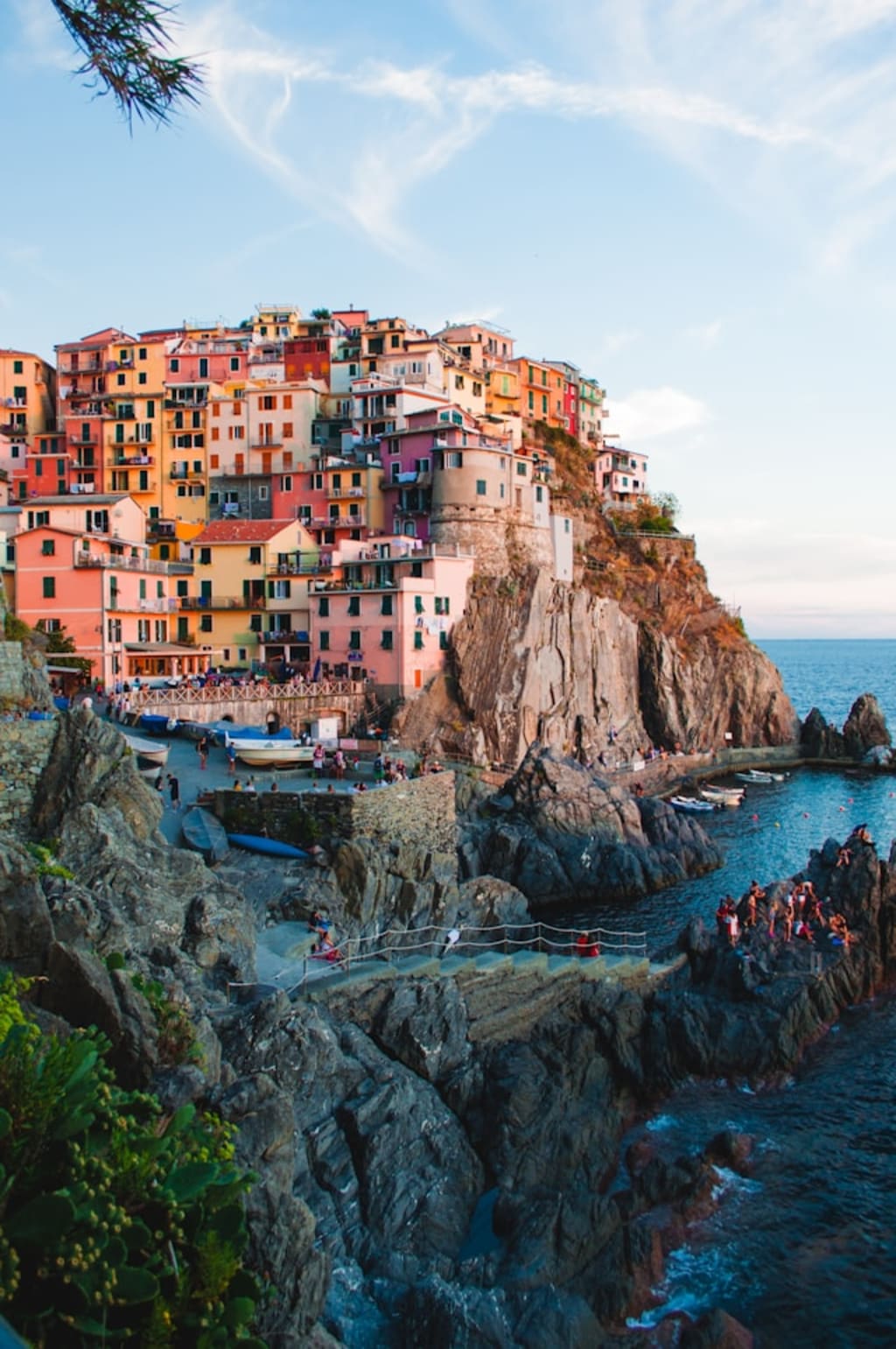
On Instagram, remote work abroad looks like paradise: laptops on the beach, cappuccinos in cobblestone cafés, and sun-drenched selfies with captions like “office for the day.”
But behind those glossy snapshots lies a truth that few people discuss: the hidden costs of living and working abroad.
I learned this the hard way. And while I wouldn’t trade the freedom of location independence for anything, I wish someone had told me about these challenges before I packed up my laptop and passport.
Let’s talk about the costs that don’t show up in the highlight reels.
- The Price of Constant Movement
Flights, buses, visas, short-term rentals, it all adds up quickly. Even in “cheap” countries, being on the move often costs more than you expect.
Take housing: long-term discounts rarely apply when you’re bouncing around every few weeks. A studio apartment that costs $400/month might suddenly be $40/night if you’re only staying a week. That’s triple the cost over time.
Add in surprise expenses like:
- Last-minute taxis when your train is canceled.
- Baggage fees for that one budget airline that weighs your bag down to the ounce.
- SIM cards or portable Wi-Fi routers in every new country.
Lesson learned: always budget at least 30% more than you think you’ll need. Freedom isn’t free, it comes with logistical and financial trade-offs.
2. The Mental Toll of Transience
Nobody warns you how exhausting it is to constantly reintroduce yourself, figure out new grocery stores, or learn the quirks of yet another apartment.
The first week in a new place always feels like starting over:
- Where’s the nearest pharmacy?
- What’s the local bus schedule?
- How do I ask for drinking water without embarrassing myself?
It’s fun at first, but over time, the novelty wears off. Homesickness can sneak in, especially when birthdays, holidays, or simple family dinners happen without you.
Even the most adventurous nomads sometimes crave the routine of knowing exactly where the good bakery is or being able to walk into a gym without Googling a translation app.
The hidden cost here is emotional energy. You’ll spend far more of it than you realize, and no amount of beach sunsets can fully replenish it.
3. Healthcare Isn’t Simple
Travel insurance looks good on paper, but when you actually need it, things can get messy.
A quick hospital visit abroad can spiral into thousands of dollars, especially if your insurance excludes “pre-existing conditions” or doesn’t cover specialist care. And navigating a foreign healthcare system when you’re already sick is stressful at best, terrifying at worst.
I once spent six hours in a waiting room in Southeast Asia with food poisoning, clutching Google Translate while trying to explain my symptoms. The hospital bill wasn’t outrageous, but the stress of not knowing what was happening was the true cost.
What I’ve learned:
- Always carry not just insurance but also an emergency fund specifically for health surprises.
- Research the healthcare system in advance. Know where the nearest hospital or clinic is, just in case.
Because when you’re sick abroad, the last thing you should worry about is money or confusion.
4. Productivity Can Plummet
That dreamy beach view? It’s not actually ideal for Zoom calls. Between spotty Wi-Fi, noisy hostels, and power outages, your productivity can nosedive.
When your income depends on staying connected, this isn’t just inconvenient; it’s a crisis.
I’ve learned that reliable work often means paying for:
- Co-working memberships.
- Cafés with minimum orders just to sit down.
- Airbnbs or hotels that cost more but guarantee strong internet.
These “hidden” expenses can easily eat into the money you thought you were saving by working abroad.
Reality check: paradise doesn’t always come with fiber-optic Wi-Fi. And your boss or client won’t care that the storm knocked out your internet, they’ll just want results.
5. Loneliness Is a Real Expense
Remote work abroad looks incredibly social online, sunset dinners, group hikes, rooftop parties. The truth? Loneliness is one of the biggest hidden costs.
Time zones mean you miss calls with loved ones. Celebrations back home happen without you. And even in a bustling city, you can feel like the loneliest person in the world.
Building community abroad takes effort and, sometimes, money:
- Joining expat groups.
- Paying for co-living spaces.
- Attending meetups or networking events.
But here’s the kicker: these investments are just as important as upgrading your laptop. Because without human connection, even the most beautiful place starts to feel empty.
6. The Invisible Tax of Adaptation
Every new country comes with its own learning curve: currency, language, cultural norms, and even the type of electrical plugs.
This “adaptation tax” isn’t measured in dollars, but it’s real. It drains your focus, patience, and sometimes your enthusiasm.
It shows up in little moments:
- Standing confused in front of a washing machine with instructions in another language.
- Accidentally breaking a cultural rule and feeling embarrassed.
- Spending half an hour figuring out how to buy a metro ticket.
Multiply these tiny frustrations across weeks or months, and they add up. Not financially, but mentally.
The result: less energy for work, creativity, and even joy.
7. Work-Life Boundaries Blur
When your office is a café, a hostel kitchen, or a borrowed desk in someone’s spare room, it’s easy for boundaries to disappear.
Work hours stretch late into the night to match client time zones. Leisure activities blur with “content creation.” And suddenly, you realize you haven’t had a real day off in weeks.
The cost here is burnout, sneaky, slow, and all too common in nomad life.
8. The Myth of “Cheap Living”
People love to say: “Why stay in the U.S. when you can live like royalty in Bali for $1,000/month?”
Yes, some costs are lower. Street food might be $2, rent $400, and motorbike rentals a steal. But nomads often forget the extras:
- Constant flights in and out.
- Tourist visas and renewals.
- Imported goods (like your favorite coffee or tech gear).
- Co-working memberships and international health insurance.
Suddenly, that “cheap lifestyle” doesn’t feel so cheap anymore.
Final Thoughts: The Real Price of Freedom
Remote work abroad is a gift. It offers freedom, adventure, and the chance to design life on your own terms. But it also comes with hidden costs, financial, emotional, and mental, that no Instagram post captures.
If you’re considering this path, go for it. But go prepared.
- Build buffers into your budget.
- Carve out routines wherever you land.
- Don’t underestimate the value of stable Wi-Fi, regular rest, or a familiar face.
Behind every postcard-perfect photo is a whole lot of invisible effort that makes the journey possible. And knowing that from the start? That’s the real game-changer.
About the Creator
Jasmine Bowen
I’m a digital nomad with a love for history, hidden corners, and real connections. From bustling cities to quiet villages, I share stories that uncover the authentic side of travel, the kind you won’t find in guidebooks.
Keep reading
More stories from Jasmine Bowen and writers in Writers and other communities.
The lesson I learned from my biggest travel error.
My Biggest Travel Mistake And What It Taught Me Travel is one of the greatest teachers I’ve ever had. It has taught me patience when flights are delayed, resilience when plans fall apart, and wonder when a new culture sweeps me off my feet. But if I’m being honest, the sharpest lessons didn’t come from picture-perfect moments. They came from the missteps, the frustrating, tearful, bone-tired mistakes that tested my love for travel and reshaped how I approach it today.
By Jasmine Bowen4 months ago in Writers
Understanding Prototype PCB Assembly and Its Role in Modern Electronics Development
In the fast-evolving electronics industry, prototype PCB assembly plays a central role in turning design concepts into functional hardware. Before any electronic product reaches large-scale manufacturing, it must pass through a critical testing and validation phase. This is where prototype printed circuit boards (PCBs) become essential.
By Abbasi Publisher4 days ago in Writers
The Devil's Cut
“Comrade, finally you’re awake.” The voice was smooth, sensual. A flickering incandescent bar was all that lit the white, sterile room. All Vladimir remembered was everything going black. He tried to move his arms and found them strapped to the gurney.
By Matthew J. Fromm4 days ago in Fiction



Comments
There are no comments for this story
Be the first to respond and start the conversation.