
The Future of Voice Cloning Solutions in Marketing and Media
The Future of Voice Cloning Solutions in Marketing and Media

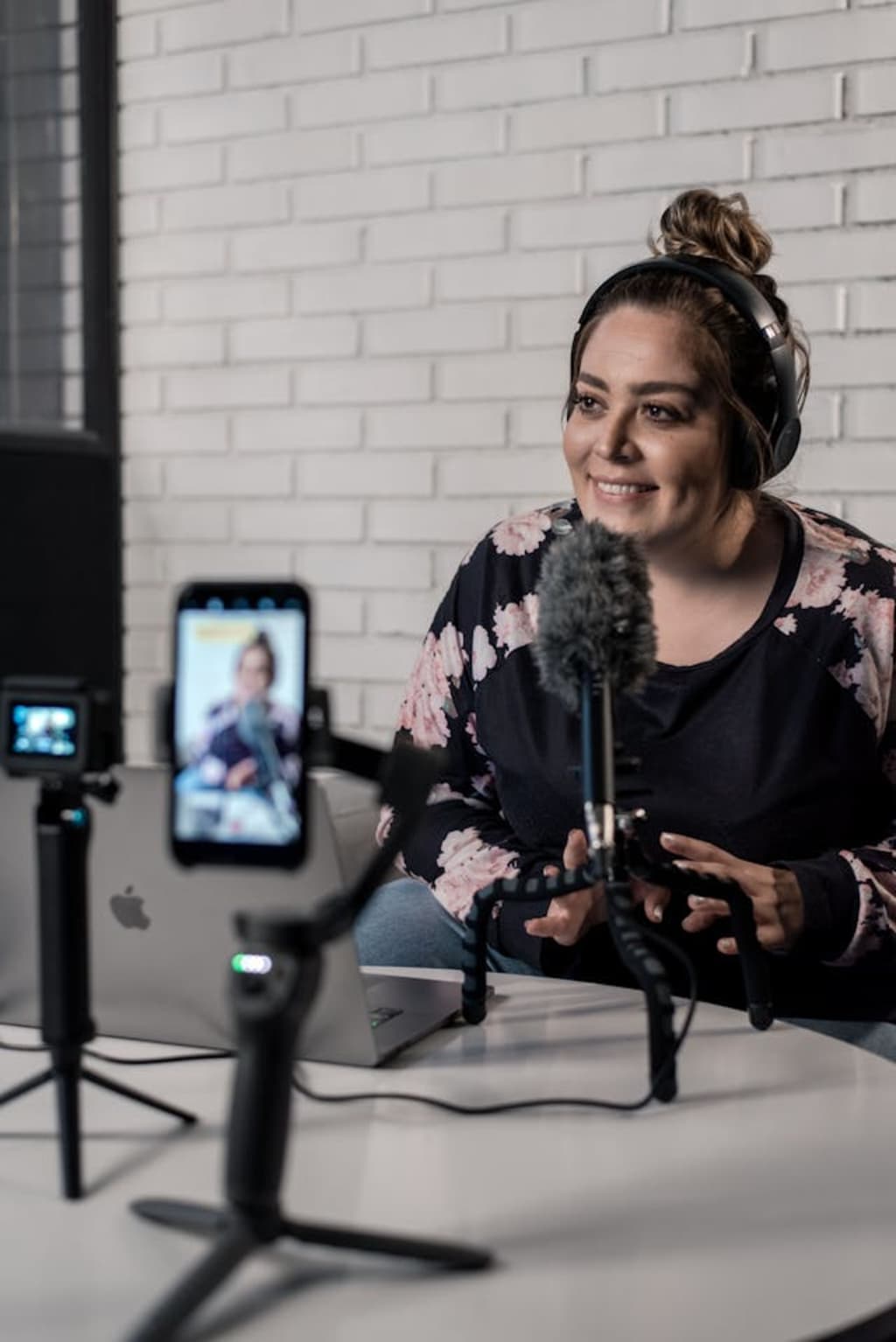
In an era where technology continually reshapes industries, voice cloning is emerging as a groundbreaking innovation, particularly in the fields of marketing and media. Voice cloning, a process driven by artificial intelligence (AI) and machine learning, involves creating a digital replica of a person’s voice, which can then be used to synthesize speech that sounds nearly indistinguishable from the original speaker. As voice cloning solutions become more advanced and accessible, their potential to transform marketing strategies, media production, and customer engagement is immense. This article explores the current state and future possibilities of voice cloning in marketing and media, while also addressing ethical concerns and the challenges that lie ahead.
What is Voice Cloning?
Voice cloning is the process of replicating a person’s voice using AI, deep learning algorithms, and vast datasets of audio recordings. This technology can accurately mimic the tone, pitch, cadence, and even emotional nuances of a speaker's voice. Over time, the technology has evolved from basic text-to-speech systems to advanced voice cloning solutions capable of generating lifelike voices with only a few minutes of recorded speech as input.
Companies specializing in voice cloning, such as Respeecher, Lyrebird (acquired by Descript), and iSpeech, have developed AI systems that can create voice clones that sound convincingly human. These voices can be programmed to read scripts, deliver advertisements, narrate videos, or interact with users in real-time, all while preserving the vocal identity of the original speaker.
The Rise of Voice Cloning in Marketing
Voice cloning is rapidly gaining traction in marketing due to its ability to personalize customer interactions and create more dynamic, engaging content. Marketers are always seeking innovative ways to capture attention and differentiate their brands, and voice cloning offers exciting possibilities.
Personalized Customer Engagement: One of the most promising applications of voice cloning in marketing is personalized voice messaging. Brands can use AI-generated voice clones to deliver custom messages tailored to individual customers. Imagine receiving a birthday greeting from a celebrity voice or a personalized product recommendation delivered by the brand's spokesperson. This level of personalization creates a deeper emotional connection between brands and their customers, fostering loyalty and engagement.
Streamlined Content Creation: In an industry where time is money, voice cloning offers a way to significantly streamline the production of audio content. Traditional voiceover work often requires scheduling, recording sessions, and post-production, which can be costly and time-consuming. With voice cloning, brands can create custom audio content on-demand, using the voice of their chosen brand ambassador or spokesperson without the need for constant studio bookings. This allows marketers to produce high-quality voiceovers, podcasts, or audio ads more efficiently.
Multilingual Campaigns: Voice cloning technology can also facilitate the creation of multilingual marketing campaigns. A voice clone can be trained to speak in multiple languages while maintaining the speaker's unique vocal identity. This enables brands to localize their messaging for global audiences without losing the familiarity of their spokesperson’s voice, making it easier to connect with diverse markets.
Voice Cloning’s Impact on Media Production
The media industry is also being transformed by voice cloning, particularly in the realms of film, television, and digital content creation. From saving time and resources in post-production to enhancing the way stories are told, the impact of voice cloning on media is significant.
Dubbing and Localization: Voice cloning has the potential to revolutionize dubbing and localization in the film and television industry. Traditionally, dubbing foreign films or TV shows requires different voice actors for each language, which can sometimes lead to a disconnect between the original performance and the dubbed version. With voice cloning, the original actor's voice can be replicated to deliver lines in multiple languages, preserving the original performance’s emotional authenticity across different markets.
Reviving Iconic Voices: In media production, there are instances where voice cloning has been used to bring back iconic voices from the past. For example, in recent years, filmmakers have used AI to recreate the voices of historical figures or deceased actors for new projects. This can be particularly useful for biopics, documentaries, or reboots of classic films, allowing the creators to maintain a sense of authenticity while leveraging new technology to enhance the storytelling.
Dynamic Content Creation: In the fast-paced world of media production, flexibility is key. Voice cloning can empower content creators to generate voiceovers or narration on-demand, allowing them to adapt quickly to last-minute changes in scripts or new creative directions. This is especially useful in the production of digital content like YouTube videos, podcasts, or online courses, where creators can produce and update content without having to repeatedly schedule voice actors for new recordings.
Ethical Concerns and Challenges
While voice cloning technology holds tremendous potential, it also raises significant ethical concerns. The ability to replicate someone’s voice has sparked debates over privacy, consent, and potential misuse.
Consent and Ownership: One of the primary ethical concerns revolves around consent. It is crucial for individuals whose voices are being cloned to give explicit permission for the use of their voice. Without proper safeguards in place, there is a risk that someone’s voice could be cloned and used for purposes they did not agree to. Establishing clear guidelines and obtaining informed consent are vital steps to ensure ethical use.
Deepfake Concerns: The rise of deepfakes, which involve the manipulation of audio and video to create realistic yet fake content, is another issue closely tied to voice cloning. A cloned voice could be used to create fraudulent audio recordings, leading to misinformation, impersonation, or even identity theft. To mitigate these risks, developers of voice cloning solutions must implement security measures and ethical guidelines to prevent misuse.
Regulatory Frameworks: As voice cloning technology continues to evolve, there will be a growing need for regulatory frameworks to govern its use. Governments and industry organizations must collaborate to establish laws and standards that protect individuals’ rights while promoting the responsible use of the technology.
The Future of Voice Cloning in Marketing and Media
Looking ahead, the future of voice cloning in marketing and media is filled with exciting possibilities. As AI and machine learning technologies continue to advance, voice cloning will become even more accessible and refined, opening new avenues for creativity and innovation.
Interactive Voice Experiences: Voice cloning could play a significant role in the rise of interactive voice experiences, particularly in virtual reality (VR) and augmented reality (AR). Imagine interacting with virtual brand representatives who speak to you in a familiar voice or hearing personalized audio ads tailored to your preferences while navigating a VR environment.
Enhanced Storytelling: In media, voice cloning could enhance storytelling by allowing content creators to experiment with new narrative formats. For example, interactive audio dramas or choose-your-own-adventure-style podcasts could use voice clones to create multiple storylines, providing listeners with a more immersive and personalized experience.
Voice as a Brand Asset: Just as brands invest in visual identity and brand voice (in the literary sense), voice cloning could lead to the rise of “voice assets” as part of a brand’s identity. Brands may clone and license the voices of celebrities, influencers, or beloved characters, turning these voices into valuable assets that can be used across campaigns and platforms.
Conclusion
Voice cloning solutions are poised to revolutionize the marketing and media industries by enabling greater personalization, efficiency, and creativity. As the technology matures, it will open new possibilities for engaging audiences in innovative ways while streamlining content creation processes. However, with great power comes great responsibility, and the ethical implications of voice cloning must be carefully managed to prevent misuse. As we look to the future, it’s clear that voice cloning will play an increasingly central role in shaping how we communicate, tell stories, and market products in the digital age.
About the Creator
Car Detail Calgary
Car Detail Calgary is your trusted source for expert advice, tips, and insights into the art of vehicle care and maintenance. With years of experience in the automotive detailing industry, our mission is to educate car owners.
Keep reading
More stories from Car Detail Calgary and writers in Writers and other communities.
Customizable Call Center Cubicles: A Guide to Tailoring Your Workspace
In the present day name center panorama, developing an green, snug, and adaptable workspace is crucial for preserving high stages of productivity and employee satisfaction. Customizable name center cubicles offer a sensible answer, allowing groups to tailor their workspaces to fulfill the specific needs of their body of workers. This article serves as a guide for organizations seeking to put in force customizable cubicles of their name facilities, highlighting the blessings and key issues for successful implementation.
By Car Detail Calgaryabout a year ago in Writers
6 AI Tools That Turn Static Images into Dynamic Videos
The demand for engaging visual content has never been higher, and video reigns supreme. For many businesses, marketers, and individual creators, however, producing polished video content can be a time-consuming and resource-intensive endeavor. The good news is that artificial intelligence is rapidly bridging this gap, offering innovative solutions to transform even the simplest static images into captivating dynamic videos.
By alinasir nasir7 days ago in Writers


Comments
There are no comments for this story
Be the first to respond and start the conversation.