
The Fascinating Realm of Animal Symbiosis: Uncovering the Intricate Relationships
Exploring the complex bonds of mutualism, commensalism, and parasitism, where animals coexist, cooperate, and sometimes conflict

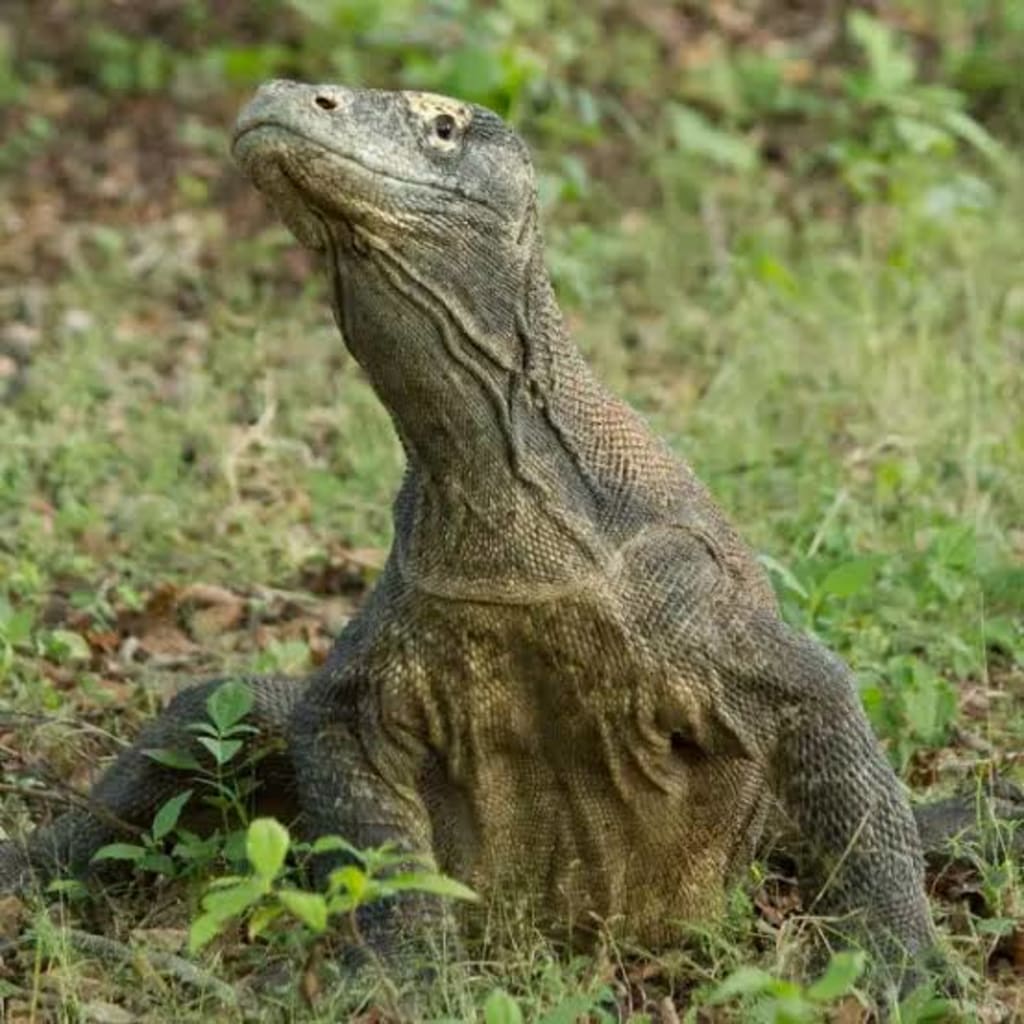
In the natural world, animals often engage in intricate relationships that defy simple categorization. Symbiosis, the phenomenon of different species living together, encompasses a range of interactions that can be mutually beneficial, harmless, or even harmful. Let's delve into the fascinating world of animal symbiosis, where creatures coexist, cooperate, and sometimes conflict.
Mutualism: A Win-Win Situation
Mutualistic relationships benefit both parties, like the iconic clownfish and sea anemone. The clownfish receives protection from predators, while the anemone gains cleaning services and nutrients.
Commensalism: A Harmless Coexistence
Commensal relationships involve one species benefiting while the other remains unaffected, like barnacles on a whale's back. The barnacles gain a home and transportation, while the whale remains unharmed.
Parasitism: A Harmful Dependence
Parasitic relationships, however, involve one species harming the other, like tapeworms in a host's digestive system. The tapeworm feeds on nutrients, causing harm to the host.
Examples of Animal Symbiosis
- Coral and zooxanthellae (mutualism)
- Oxpeckers and rhinoceros (mutualism)
- Remora fish and sharks (commensalism)
- Mosquitoes and humans (parasitism)
Conclusion
Animal symbiosis reveals the intricate web of relationships in the natural world, showcasing cooperation, coexistence, and conflict. By exploring these fascinating bonds, we gain a deeper appreciation for the complexity of life on Earth.
About the Creator
AUGUSTINE MERCY DIBIO
A Very Young Multitalented Writer. ❤️
Keep reading
More stories from AUGUSTINE MERCY DIBIO and writers in Writers and other communities.
The Colorful World of Animals: Unveiling the Biology of Animal Coloration
Animal coloration is a fascinating and complex phenomenon that has captivated scientists and animal enthusiasts alike. From the vibrant plumage of birds to the striking stripes of zebras, color plays a crucial role in the lives of animals, influencing their behavior, ecology, and evolution.
By AUGUSTINE MERCY DIBIO2 years ago in Writers
Nine Souls for a Bloody Mary
If you think back to the autumn into winter challenges, you may remember that I found the villanelle challenge psychologically abusive and you may have accepted a free pass to my insanity show in one of these pieces. (Fuck you, Vocal, for that villanelle of regret challenge. I hope it was as torturous for the team to read them as it was for me, as it's only fair to reap what you sow. (Parentheses intentionally left open. Did it again.
By Harper Lewis7 days ago in Writers



Comments
There are no comments for this story
Be the first to respond and start the conversation.