
The Ethics of Employee Monitoring: Best Practices for Transparent Implementation
Explore the ethics of employee monitoring and learn best practices for transparent implementation to balance productivity and privacy effectively.

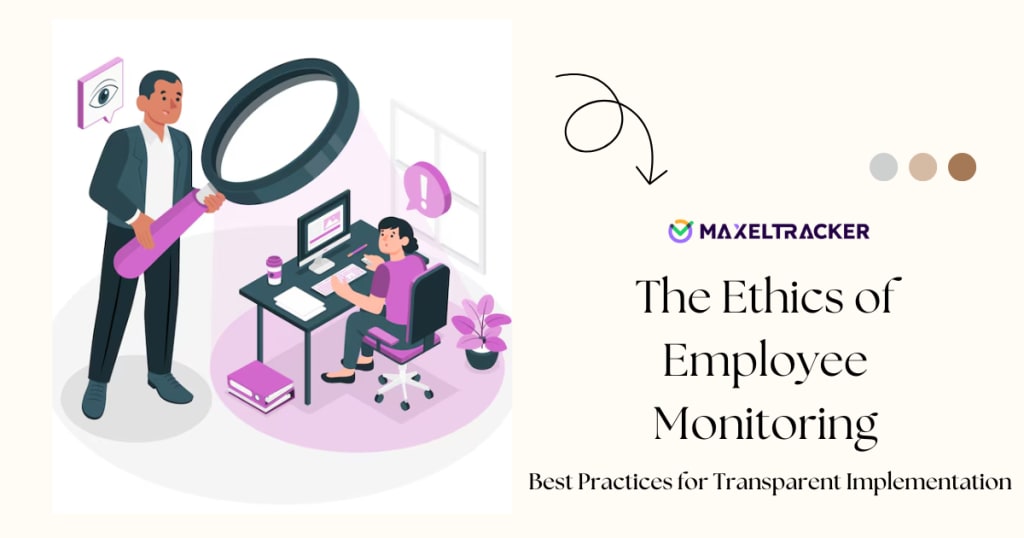
As workplaces become more distributed, businesses are increasingly adopting employee monitoring—whether for remote or in-office teams. While monitoring can spark discussions about privacy, when used responsibly, it enhances transparency, improves efficiency, and supports fair performance evaluations.
A well-implemented employee productivity monitoring software can boost productivity, empower employees to excel in their roles and contribute to a healthier work environment. By focusing on ethical practices, organizations can create a system that benefits both employers and employees.
Is Employee Monitoring Legal?
In the United States, most employee productivity tracking practices are legally permitted. Under the Electronic Communications Privacy Act (ECPA), employers can monitor electronic communications for legitimate business purposes, ensuring smooth and secure operations.
Additionally, the Stored Communications Act grants employers the right to review messages stored on company-owned devices or cloud storage managed by the organization. This means emails, texts, and other communications on company-provided laptops or smartphones can be legally accessed.
However, personal social media accounts are an exception. Employees maintain a reasonable expectation of privacy regarding personal communications, even on company-owned devices. Employers must obtain explicit consent before accessing an employee’s private social media accounts or personal messages.
Why Is Employee Productivity Monitoring Software Growing in Popularity?
With 12.7% of full-time employees working remotely and 28.2% adopting a hybrid model, the demand for employee monitoring software continues to rise. Additionally, 16% of companies worldwide operate fully remotely, making workforce monitoring an essential tool for businesses.
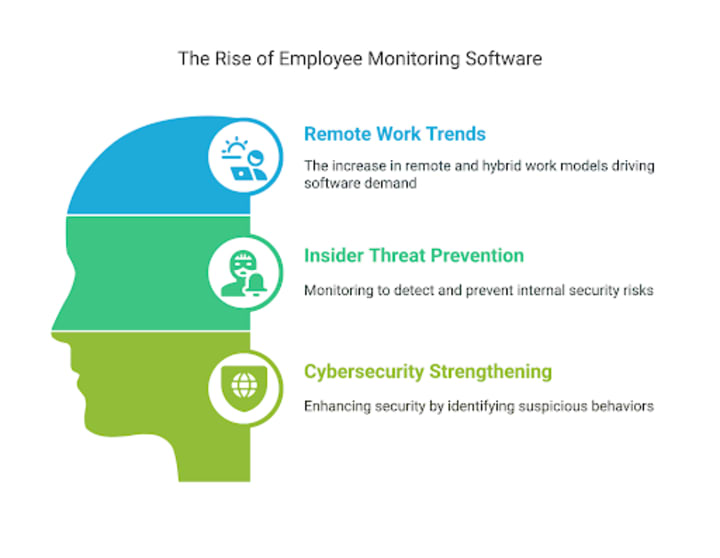
While the shift to distributed teams is a major factor, companies also use monitoring software for several key reasons:
Preventing Insider Threats
Employee monitoring is a crucial defense against cyber threats and internal security risks. If a team member with access to sensitive data plans to leave the company or starts sharing confidential documents externally, monitoring software helps detect these risks before they escalate. Instead of taking disciplinary action, organizations can use these insights to engage employees and address concerns proactively.
Beyond that, Employee productivity tracking software strengthens cybersecurity by identifying suspicious user behavior and unauthorized access. Employers can track websites visited, installed applications, and saved files to pinpoint risky activity. These insights enable businesses to proactively mitigate cyber threats and determine where additional security training is needed.
Hybrid and Remote Work Pose Security & Productivity Challenges
Employee productivity monitoring software isn’t just about internal security—it also helps protect organizations from external threats. Remote and hybrid employees often connect to unsecured public WiFi at coffee shops, libraries, or other locations, putting company data at risk. Since organizations have limited control over external networks, monitoring software enables them to enforce stronger cybersecurity measures for employees working outside the office.

While studies show that remote employees can be up to 47% more productive, this isn’t always the case. Tracking software provides insights into work patterns and productivity levels, helping businesses assess whether remote work is the right fit for their teams.
Prevent Data Leaks
Data breaches can be devastating to both customers and a company’s reputation. While data compliance regulations—such as GDPR in Europe—have become stricter, a single oversight can still lead to a major leak. Employee productivity monitoring software helps enforce data security by providing visibility into how teams handle sensitive information, ensuring compliance with industry regulations.
Identify Unproductive Employees
A company’s success depends on the productivity of its workforce. Employee productivity tracking software helps pinpoint inefficiencies—whether due to a lack of motivation, distractions, or skill gaps. Instead of punitive action, businesses can use these insights to address engagement issues, provide training, or adjust workloads to create a more productive work environment.
Ensure Compliance & Mitigate Risks
Industries with strict compliance requirements need full organizational adherence to avoid legal and financial risks. Employee productivity monitoring software helps companies enforce industry standards by identifying potential violations and ensuring that employees follow security protocols, reducing the risk of costly compliance breaches.
How To Ethically Monitor Employees
Ethical employee monitoring offers numerous advantages, but employees may not always welcome being tracked. Gaining their trust and support is essential for a successful monitoring program. Open communication and a cooperative approach help create transparency, foster trust, and prevent a negative work environment.
Be Transparent About What’s Being Monitored
Employees shouldn’t have to guess what is or isn’t being tracked. Lack of clarity can lead to privacy concerns, lower morale, and even legal issues. Consulting legal counsel ensures compliance with privacy laws and protects employee rights.
Clearly communicate what data is collected, how it’s used, and who has access to it. An effective monitoring system should also provide employees with insights into their own data, helping them better understand their work habits and productivity.
Limit Monitoring to Company Devices
Tracking employee activity on personal devices without consent is a serious privacy violation that can lead to legal issues. To stay compliant and maintain trust, restrict monitoring to company-owned devices and ensure employees are fully informed about it.
Foster Open Feedback
Employee monitoring shouldn’t feel intrusive—it should be a tool for growth. Encourage employees to share their thoughts and concerns, making them part of the process. Clearly communicate the purpose behind monitoring and invite employees to consider what insights would be valuable for their own development.
In fact, 92% of employees are open to monitoring if it contributes to their career growth. A well-implemented system should enhance the work environment and support professional progress.
Monitor Work-Related Communication Only
Protecting sensitive company information is a key reason for using employee monitoring software. However, it’s important to limit tracking to company-related channels, such as work emails, Slack, and messages on company-owned devices. Avoid monitoring personal social media conversations or general internet activity to respect employee privacy.
Use Geolocation Tracking Transparently
Geolocation tracking helps verify whether remote or hybrid employees are working as expected. However, always be upfront about location tracking and ensure it is limited to company-owned devices to maintain trust and transparency.
Educate Employees on Ethics and Compliance
Regulatory requirements can be complex, and while some employees need in-depth knowledge, others may only require a basic understanding. Providing ethics and compliance training helps employees see the value of monitoring and reinforces its role in maintaining compliance. A well-informed workforce not only reduces risks but also gains valuable skills that support career growth, making ethical monitoring beneficial for everyone.
Monitor Idle Time Fairly
While no one is expected to be productive every second of the day, employees should be actively working for most of their scheduled hours. Tracking idle time is a practical use of employee monitoring software, but it’s important to communicate this openly. Let both in-office and remote employees know that activity is being tracked while also emphasizing that reasonable breaks are encouraged and necessary for productivity.
Use Alerts to Focus on Key Issues
Constantly monitoring employees is neither practical nor productive—and it can breed resentment. Instead, configure rules and alerts in your monitoring software to flag important concerns, such as suspicious activity or extended idle time. This ensures you stay informed about critical issues without micromanaging daily tasks.
Set Up Alerts to Track Key Issues
Constantly overseeing employee activity is not an efficient use of time and can lead to resentment. Instead, configure rules and alerts within your employee monitoring software to notify you of significant concerns, such as suspicious behavior, excessive idle time, and any other violations you need to address.
How to Implement Employee Monitoring Software
Understanding the ethics behind employee monitoring is just the beginning. To successfully integrate monitoring into your company policies, you'll need to follow a few practical steps.
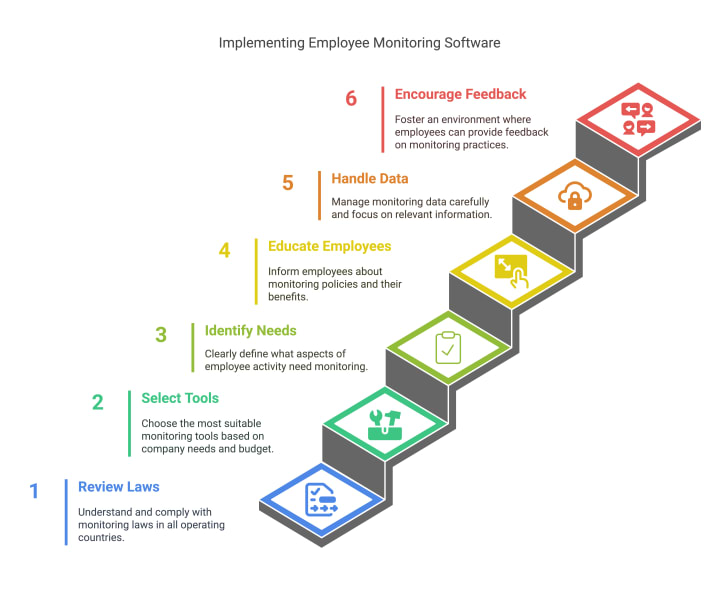
Review Monitoring Laws in All Operating Countries
Monitoring laws vary by country. For example, the US has more relaxed regulations, while the EU enforces stricter guidelines. Ensure you’re familiar with both national and local monitoring laws in every region where your company operates.
Select the Right Tools
Smaller companies may not require advanced monitoring solutions, while larger organizations might not have the budget for all-inclusive services. Assess your budget, clarify your reasons for monitoring employees, and take the time to research and test various tools before choosing the one that best fits your company’s needs.
Identify What Needs to Be Monitored
Clearly defining the purpose of employee monitoring is essential for creating a successful program. This not only allows you to be more transparent with employees but also helps in selecting the most suitable tools for your specific objectives.
Educate Employees on Monitoring Policies
Before rolling out an employee monitoring program, take time to discuss it with your team. Clearly explain what will be monitored, why it’s necessary, and how the collected data will be used. Emphasize that the goal is not only to benefit the company but also to recognize top performers and drive overall team success.
Handle Monitoring Data with Care
As mentioned earlier, setting alerts for key activities ensures you focus on the most relevant data for your monitoring goals. Avoid getting caught up in the small details of employees’ daily conversations or company gossip, and instead, stay focused on the data that supports your broader objectives.
Encourage Employee Feedback on Monitoring
Gaining employee support is essential for a successful monitoring program. The best way to achieve this is by actively encouraging feedback from employees, whether positive or negative. Ensure that employees feel their voices are heard and valued in the process.
Conclusion
In a workplace that’s increasingly distributed, monitoring employees can help organizations boost productivity, secure sensitive data, and enhance employee engagement and performance.
Employee tracking software simplifies the process of establishing an effective monitoring program. To ensure ethical implementation, companies must be transparent about their monitoring practices and engage employees in shaping and refining the program over time.
About the Creator
Colin Brown
Colin Brown, a productivity expert for 10 years at MaxelTracker—a leading employee monitoring tool designed to enhance team productivity, efficiency, and performance for businesses of all sizes. Let’s optimize your workflow—connect today!
Keep reading
More stories from Colin Brown and writers in Writers and other communities.
Enhancing Remote Work Culture: Recognizing Achievements in a Virtual Environment
Over the past few years, remote work has gone from being a nice perk to the norm for many companies. What started as a temporary solution during the COVID-19 pandemic has become the new normal for teams around the world. 53% of all departments now have at least some team members working remotely. That means companies have had to rethink how they work, communicate, and most importantly, how they support and recognize their people.
By Colin Brown8 months ago in Writers
March 15, 2026
Merriam Webster - Word of the day: Tranche refers to a division or portion of a whole. World Contact Day is commemorated every year on March 15. It is a unique observance held globally to focus on communicating with extraterrestrial life and exploring the possibility that intelligent beings may exist beyond Earth. World Contact Day inspires people to invoke their curiosity and spend time thinking about the universe and the mysteries surrounding it. What is the “Ides of March”? According to the Roman calendar, the Ides are a monthly occurrence. In March and other months with 31 days, the Ides always falls on the 15th; it falls on the 13th in months with 30 days. The Ides traditionally marked the arrival of the new Moon and was cause for celebration. The word “Ides” is derived from Latin, meaning “to divide.” Mothering Sunday in 2026 falls on Sunday, March 15. Mothering Sunday, celebrated in the United Kingdom and Ireland, occurs on the fourth Sunday of Lent, which is exactly three weeks before Easter. Unlike the fixed-date Mother's Day in countries like the United States, Canada, and Australia, Mothering Sunday’s date changes each year according to the Christian liturgical calendar. On March 15, 2026, several notable observances and events are celebrated: Dumbstruck Day: A day to express frustration. Everything You Think is Wrong Day: A day to challenge and celebrate wrong beliefs. International Day Against Police Brutality: A day to raise awareness and advocate against police violence. My look at today, March 15, 2026 below:
By Denise E Lindquistabout 19 hours ago in Writers
The Queen's Consort: Chapter 1
1 Avelina I didn’t plan on being around so why would I want an immortal mate. Oh right. I didn’t. That would be why I never sent in a sample for this bullshit. Yet, here I was, staring at the Priestess, inside a Gods be damned temple.
By harmony percy4 days ago in Writers


Comments
There are no comments for this story
Be the first to respond and start the conversation.