

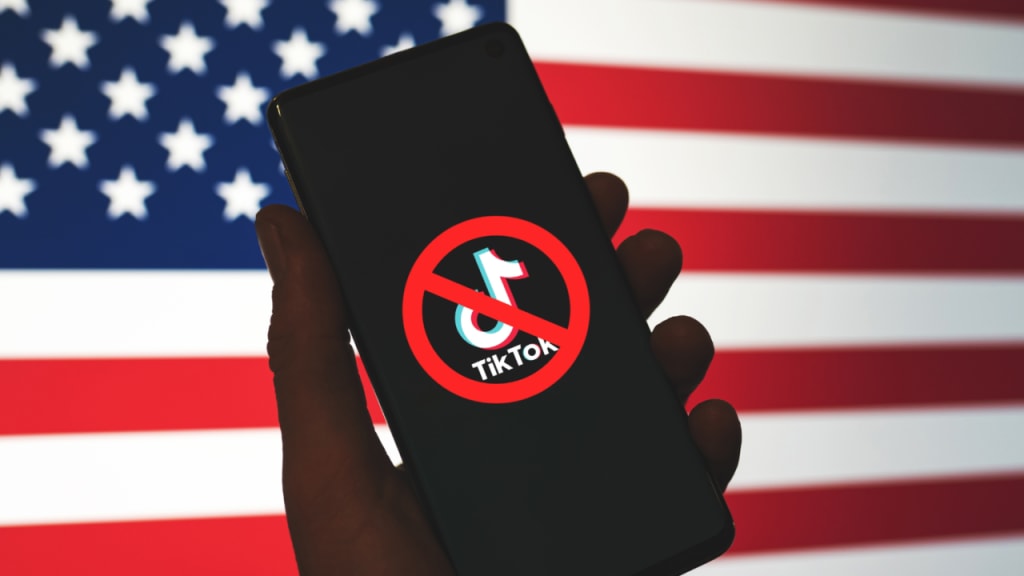
The news broke on a chilly October morning, a headline that seemed almost surreal: “TikTok Officially Banned in the United States.” It wasn’t unexpected—the government had been mulling over the decision for months, citing national security concerns and data privacy issues. Yet, for millions of Americans, especially the younger generation, it felt like losing a piece of their identity.
A Platform Like No Other
TikTok had become more than just an app. It was a stage for creativity, a place where 15-second clips turned ordinary people into overnight sensations. Dance challenges, lip-sync battles, cooking hacks, and heartfelt stories had built an ecosystem that blurred the lines between entertainment and community.
For Sophie, a 19-year-old college student, TikTok wasn’t just a distraction; it was her lifeline. Amid the isolation of the pandemic, she found her voice on the platform, sharing snippets of her life, comedy skits, and DIY tips that gained her a modest but loyal following.
“It was my escape,” she said as she scrolled through her phone, staring at the app’s icon as though it might disappear before her eyes. “I made friends I’ve never met, but who feel closer to me than people in real life.”
The Last Night on TikTok
The night before the ban took effect, TikTok felt like a digital Times Square on New Year’s Eve. Creators went live, hosting farewell streams, sharing their favorite moments, and urging their followers to find them on other platforms. Sophie stayed up until 3 a.m., scrolling through teary-eyed videos, heartfelt goodbyes, and hashtags like #GoodbyeTikTok and #TikTokBan trending across the app.
The energy was bittersweet. For some, the ban felt like losing a home. For others, it was an opportunity to rethink how much of their lives were tethered to an app that was now deemed a threat.
The Morning After
When Sophie woke up the next morning, TikTok was gone from the App Store, and attempts to open the app displayed a blank screen with a terse message: “Service unavailable in your region.”
The silence was deafening. For creators like Sophie, the absence wasn’t just about losing a platform—it was losing an audience, a community, a source of income, and for some, a part of their identity.
Not everyone mourned the loss, though. Critics of the platform, including lawmakers and privacy advocates, praised the decision. “This is about protecting American data from being exploited,” one senator declared on the morning news.
But for many users, it felt like an overreach, an abrupt end to something that had brought joy and opportunity during some of life’s darkest moments.
A Community in Search of a Home
In the weeks following the ban, the exodus began. Former TikTokers flocked to other platforms—Instagram Reels, YouTube Shorts, and smaller upstarts hoping to fill the void. But it wasn’t the same.
“There’s something about TikTok’s algorithm,” Sophie said. “It knew what you liked before you even knew it. None of these other apps feel as... alive.”
Petitions circulated online, urging lawmakers to reverse the ban. Protests sprouted in major cities, with signs that read “Bring Back TikTok!” and “Our Data, Our Choice!” Hashtags like #UnbanTikTok trended on Twitter, but the government stood firm.
Life After TikTok
Months later, life moved on. For Sophie, the absence of TikTok felt strange but oddly freeing. She rediscovered hobbies she’d abandoned—painting, reading, and even spending more time outdoors. She joined a local improv group, channeling her comedic energy into live performances instead of 15-second clips.
Still, there were moments when she missed it. The late-night scrolling, the random videos that made her laugh until her stomach hurt, the sense of belonging in a community she never thought she’d find.
For others, the ban sparked deeper conversations about digital dependence and data privacy. Parents, teachers, and students began questioning how much of their lives revolved around an app and what it meant to truly connect with others outside of a screen.
The Legacy of TikTok
Although TikTok was gone, its impact lingered. It had reshaped culture, redefined how stories were told, and inspired a generation of creators to think outside the box. Even without the app, its spirit lived on in the way people danced, shared memes, and connected online.
And as for Sophie? She still made videos—this time on her DSLR camera, uploading them to YouTube, where she had to learn the art of long-form content. “It’s not the same,” she admitted, “but maybe that’s okay.”
Life after TikTok wasn’t better or worse; it was simply different. And sometimes, change, no matter how hard it feels, is what pushes people to grow.
About the Creator
What Sets Top Mobile App Development in Atlanta Apart?
On paper, many app development teams in Atlanta look similar. Comparable tech stacks. Similar portfolios. Confident timelines. The difference only becomes visible after work begins, when decisions pile up, trade-offs appear, and pressure replaces planning. That is where top teams quietly separate themselves from the rest.
By Mike Pichaia day ago in Writers



Comments (1)
Hello, just wanna let you know that if we use AI, then we have to choose the AI-Generated tag before publishing 😊