
The Benefits and Uses of Virtual Hospital Development
Virtual Hospital

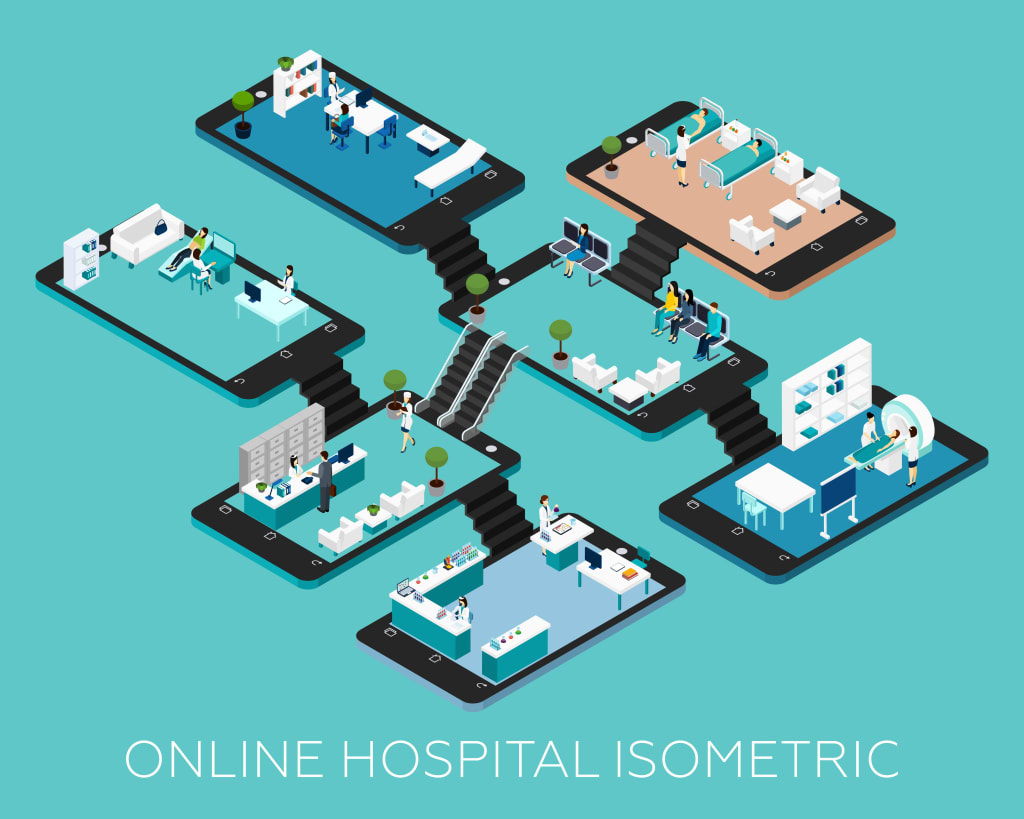
The healthcare industry is witnessing a profound transformation, and at the heart of this change lies the rise of virtual hospitals. These innovative platforms leverage technology to deliver comprehensive healthcare services remotely, redefining the traditional concept of hospital care. From improving accessibility to enhancing operational efficiency, virtual hospital development is poised to become a cornerstone of modern healthcare.
In this blog, we’ll explore the benefits and uses of virtual hospitals, highlighting why they are crucial for the future of healthcare.
What Is a Virtual Hospital?
A virtual hospital is a technology-driven ecosystem that offers healthcare services remotely, often using tools such as telemedicine, remote patient monitoring (RPM), wearable devices, and artificial intelligence (AI). Unlike telehealth, which focuses on isolated consultations, virtual hospitals provide an end-to-end healthcare experience, encompassing diagnostics, treatment, follow-ups, and chronic disease management.
Virtual hospitals are designed to meet the growing demand for accessible, cost-effective, and patient-centric healthcare solutions.
Benefits of Virtual Hospital Development
1. Enhanced Accessibility
Virtual hospitals eliminate geographical barriers, allowing patients in rural or underserved areas to access quality healthcare.
Example: A patient in a remote location can consult with a specialist in a metropolitan city without the need to travel.
This accessibility is particularly beneficial for chronic disease management, mental health care, and post-operative monitoring.
2. Cost Efficiency
Virtual hospitals reduce the overhead costs associated with traditional healthcare facilities, such as building maintenance and in-patient care.
For patients, this translates to lower consultation fees and reduced expenses for transportation and accommodation.
Hospitals can reallocate these savings to improve technological infrastructure and patient services.
3. Improved Patient Outcomes
Continuous monitoring and timely interventions lead to better health outcomes. Virtual hospitals leverage real-time data from wearable devices and RPM tools to identify potential issues early.
Example: A diabetic patient’s glucose levels can be monitored 24/7, with alerts sent to the care team for abnormal readings.
This proactive approach minimizes complications and hospital readmissions.
4. Seamless Integration with Existing Systems
Virtual hospitals integrate seamlessly with Electronic Health Records (EHRs), telehealth platforms, and diagnostic tools. This ensures that patient data is centralized and easily accessible to healthcare providers, enabling informed decision-making.
5. Scalability
Traditional hospitals face limitations in expanding their capacity. Virtual hospitals, on the other hand, are highly scalable.
Example: A healthcare provider can add more services, integrate new technologies, or onboard additional specialists without the physical constraints of space.
This scalability makes virtual hospitals ideal for handling growing patient populations.
6. Enhanced Patient Engagement
Virtual hospital platforms often include features like patient portals, mobile apps, and educational resources, encouraging patients to take an active role in their health.
Tools such as medication reminders, personalized dashboards, and teleconsultations foster better adherence to treatment plans.
7. Reduced Hospital Burden
By shifting non-emergency and routine care to a virtual platform, physical hospitals can focus on critical and emergency cases.
This redistribution of resources leads to better care for in-patients and reduces the strain on healthcare workers.
Key Uses of Virtual Hospitals
1. Chronic Disease Management
Managing conditions such as diabetes, hypertension, and heart disease requires regular monitoring and continuous care. Virtual hospitals integrate wearable devices and AI to provide real-time insights, enabling timely interventions.
2. Post-Operative Care
Patients recovering from surgeries can benefit from virtual hospitals that offer follow-up consultations, medication management, and progress tracking without requiring frequent visits to the hospital.
3. Mental Health Support
Virtual hospitals provide a safe and private space for mental health care consultations, therapy sessions, and ongoing support. This is particularly valuable for individuals who may hesitate to seek in-person care.
4. Remote Diagnostics
With advancements in telemedicine and IoT devices, virtual hospitals can offer diagnostic services such as blood tests, imaging, and ECGs remotely.
Example: Patients can use home-based diagnostic kits, with results shared directly with their healthcare providers.
5. Emergency Triage
Virtual hospitals can assist in triaging emergency cases, guiding patients to the appropriate care level and reducing unnecessary ER visits.
6. Preventive Care
Virtual hospitals promote preventive care through health education, lifestyle coaching, and routine screenings. By focusing on prevention, they help reduce the long-term burden of chronic diseases.
Technologies Driving Virtual Hospital Development
1. Telemedicine
Telemedicine forms the backbone of virtual hospitals, enabling real-time consultations, remote diagnostics, and follow-ups.
2. Remote Patient Monitoring (RPM)
Remote patient monitoring tools collect and transmit patient data, such as heart rate, blood pressure, and oxygen levels, to healthcare providers.
3. Artificial Intelligence (AI)
AI enhances virtual hospitals by providing predictive analytics, personalized care recommendations, and automated administrative tasks.
4. Internet of Things (IoT)
IoT-enabled devices, such as smart wearables and home-based diagnostic tools, ensure continuous data collection and real-time monitoring.
5. Cloud Computing
Cloud platforms enable secure storage and sharing of patient data, facilitating collaboration among care teams.
Challenges in Virtual Hospital Development
While the benefits are undeniable, developing virtual hospitals comes with challenges:
Data Security and Privacy: Handling sensitive health data requires robust encryption and compliance with regulations like HIPAA.
Technology Access: Not all patients have access to the required devices or high-speed internet.
Patient Adoption: Educating patients about the benefits and functionalities of virtual hospitals is crucial for widespread adoption.
Integration Complexities: Seamlessly connecting various healthcare systems and tools requires advanced healthcare integration services.
The Future of Virtual Hospitals
As technology continues to evolve, virtual hospitals will become more advanced, offering features such as AI-driven diagnostics, virtual reality-based therapy, and blockchain for secure data sharing. These innovations will make healthcare more accessible, efficient, and patient-centric.
Key trends to watch include:
Personalized Medicine: Tailoring treatments based on individual patient data.
Global Healthcare Access: Bridging the gap in healthcare delivery across developed and developing regions.
Sustainability: Reducing the carbon footprint of healthcare facilities through digital platforms.
Conclusion
Virtual hospitals represent the future of healthcare, providing a seamless blend of technology and patient-centric care. By addressing the limitations of traditional healthcare systems, they pave the way for a more accessible, efficient, and scalable approach to healthcare delivery.
Whether it’s managing chronic diseases, supporting mental health, or offering preventive care, virtual hospitals are revolutionizing how care is delivered. As we embrace this digital transformation, the focus must remain on ensuring that these platforms are accessible, secure, and tailored to meet the diverse needs of patients worldwide.
The question isn’t whether virtual hospitals are the future—it’s how soon your healthcare system can adopt them. Let’s build a healthier, more connected tomorrow.
About the Creator
Larisa Albanians
Hey, a healthcare technology solutions provider at emorphis, that is helping organizations to deliver better healthcare solutions.
Keep reading
More stories from Larisa Albanians and writers in Writers and other communities.
How Mobile Health Apps Are Enhancing Preventative Healthcare Measures
The healthcare industry has witnessed a paradigm shift from reactive care to proactive and preventive strategies, and mobile health apps are at the forefront of this transformation. By leveraging technology, these apps empower individuals to take charge of their health, reduce the risk of chronic diseases, and promote overall wellness.
By Larisa Albaniansabout a year ago in Writers
It's Winter
Anne Bernays and Pamela Painter — What If? Writing Exercise for Fiction Writers prompts The Exercise —Write a scene involving two characters. Have the point-of-view character presume something entirely different about the situation from what the other character's overt behavior seems to imply. For example, a landlord comes to visit, and the tenant suspects that it isn't a visit but an inspection. Make up several situations in which one character can fantasize or project or suspect or even fear what another character is thinking. The Objective - To show how your characters can use their imaginations to interpret the behavior and dialogue of other characters.
By Denise E Lindquist16 days ago in Writers
Corinne Silverberg New York: 2026’s Roadmap for Women Entrepreneurs in the City and Beyond
New York City has always been a beacon for ambitious entrepreneurs, a place where hustle meets opportunity. But as we move into 2026, the landscape is evolving faster than ever, especially for women founders determined to make their mark. Corinne Silverberg New York, a recognized mentor and champion for women in business, has her finger on the pulse of what’s next. Her insights are essential reading for any female entrepreneur ready to succeed in the city—and beyond.
By Corinne Silverberg5 days ago in Writers
Center Stage with Paul Stewart
*** I'm keen to republish the interviews I did for my series with Vocal creators. It's been a few years and I thought it might be nice to revisit these wonderful conversations. I'll be releasing them one at a time for a few weeks/months.
By Heather Hubler3 days ago in Interview




Comments
There are no comments for this story
Be the first to respond and start the conversation.