
The Art of SaaS Design: Crafting Seamless Digital Experiences
How Thoughtful UI/UX and Scalable Architecture Drive SaaS Success

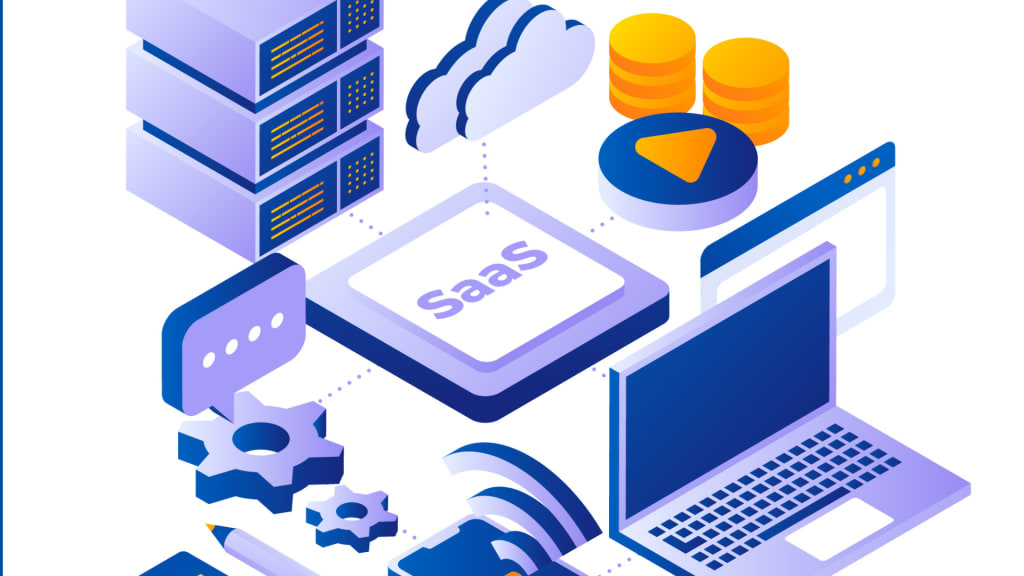
In the digital age, Software-as-a-Service (SaaS) has revolutionized how businesses and individuals interact with technology. From project management tools to customer relationship management (CRM) platforms, SaaS applications dominate the software landscape. But what separates a thriving SaaS product from one that struggles to gain traction? The answer lies in design. A well-designed SaaS platform prioritizes user experience (UX), intuitive interfaces (UI), and scalable architecture, ensuring that users stay engaged and businesses grow.
The Role of UX/UI in SaaS Design
1. User Experience (UX): The Foundation of Success
User experience is at the heart of every successful SaaS product. It dictates how users interact with the platform, how easily they can accomplish their goals, and how satisfied they are with the overall experience. A seamless UX eliminates friction points, making the software intuitive and effortless to navigate.
Key aspects of great UX design in SaaS include:
User-Centric Design: Understanding the pain points and needs of users is essential for creating a product they love.
Simplicity & Clarity: Reducing complexity through minimalistic design helps users focus on their tasks.
Onboarding & Guidance: A well-crafted onboarding process reduces churn and helps users understand the platform’s value quickly.
2. User Interface (UI): Aesthetic Meets Functionality
While UX focuses on usability, UI ensures the interface is visually appealing and functional. A good UI not only makes a SaaS platform attractive but also enhances usability.
Best practices for SaaS UI design include:
Consistent Design Language: Using uniform typography, colors, and layouts builds familiarity and trust.
Responsive Design: Ensuring accessibility across different devices enhances usability.
Microinteractions: Small animations or effects that provide feedback improve the user experience.
Scalable Architecture: The Backbone of SaaS Design
A beautiful and intuitive interface is useless without a strong technical foundation. Scalability ensures that as the user base grows, the software remains efficient, reliable, and fast. Key considerations for SaaS architecture include:
Cloud-Based Infrastructure: Platforms like AWS, Azure, and Google Cloud allow SaaS products to scale seamlessly.
API-First Approach: Building modular components makes it easier to integrate with third-party applications.
Data Security & Compliance: Protecting user data with encryption and following industry regulations (GDPR, HIPAA) is crucial.
The Importance of Performance Optimization
A slow SaaS application leads to frustration and customer drop-off. Performance optimization ensures users receive a seamless experience. This can be achieved through:
Efficient Codebase: Writing clean and optimized code reduces load times.
CDN Usage: Content delivery networks (CDNs) improve the speed of assets loading globally.
Database Optimization: Proper indexing and caching improve query speeds and performance.
Case Studies: Successful SaaS Design in Action
1. Slack: Simplified Collaboration
Slack’s success lies in its intuitive interface, user-friendly onboarding, and seamless integrations. The clean design and efficient UX make team communication effortless.
2. Dropbox: Effortless File Management
Dropbox combines a minimalist UI with a powerful backend, ensuring smooth file storage and sharing. The clear layout and drag-and-drop functionality make it a user favorite.
3. Notion: Flexibility Meets Simplicity
Notion’s customizable UI allows users to create their own workflows. Its minimalist aesthetic combined with robust functionality makes it a standout in productivity tools.
Conclusion: Elevating SaaS Through Design
Great SaaS design is a balance between aesthetics, usability, and technical scalability. By focusing on UX/UI principles, ensuring a scalable infrastructure, and optimizing performance, SaaS companies can create products that not only attract users but also retain them. In a competitive digital landscape, investing in design is not just a choice—it’s a necessity.
About the Creator
Anthony Smith
I’m Anthony Smith, a passionate digital marketer with expertise in SEO, social media, and online growth.
Keep reading
More stories from Anthony Smith and writers in Writers and other communities.
The Ultimate Guide to WordPress Development: Everything You Need to Know
WordPress is one of the most powerful content management systems (CMS) available today. It powers over 40% of all websites on the internet, making it an essential tool for developers, businesses, and content creators. Whether you are a beginner looking to set up your first website or an experienced developer aiming to customize WordPress themes and plugins, this guide will provide you with everything you need to know.
By Anthony Smithabout a year ago in Writers




Comments
There are no comments for this story
Be the first to respond and start the conversation.