
The Alchemy of Crafting Fantasy Comic Books: A Discursive Exploration
The ineffable magic of comic books
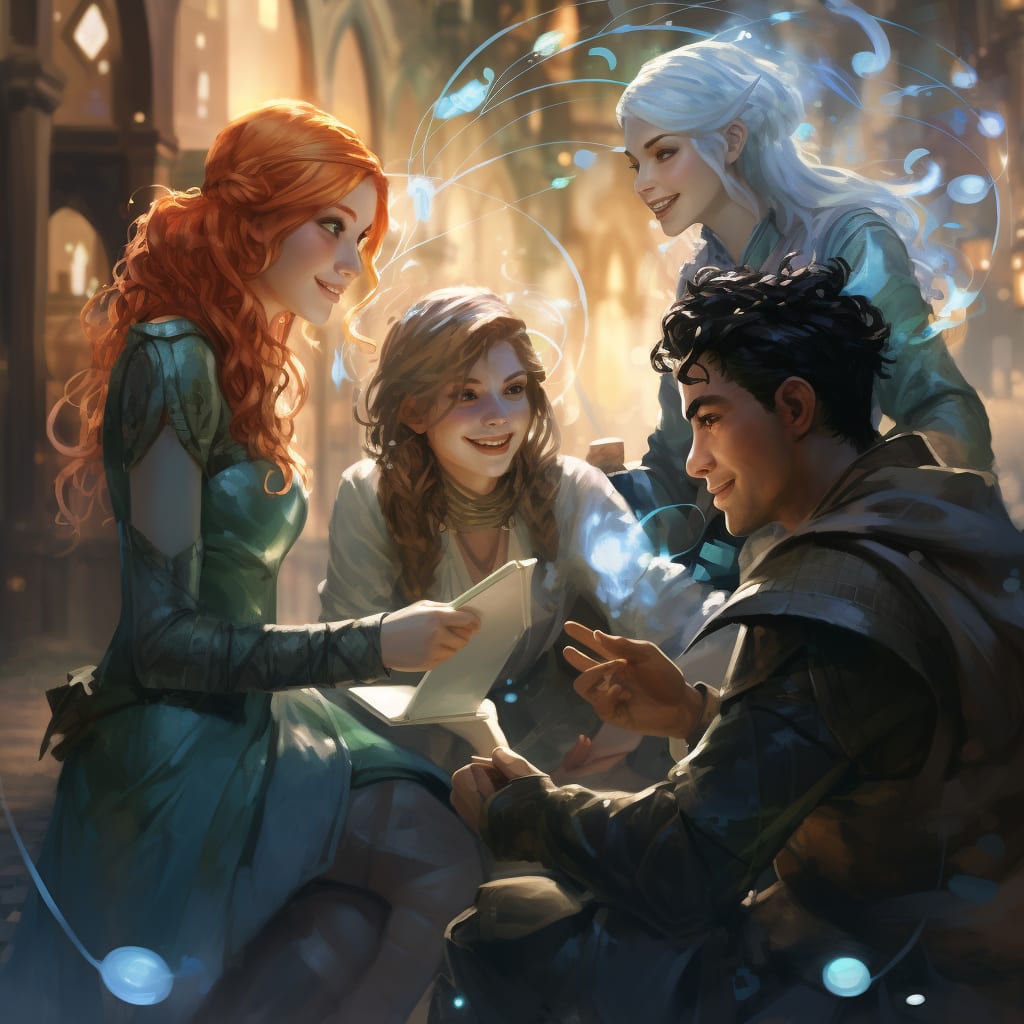
The Alchemy of Crafting Fantasy Comic Books: A Discursive Exploration
In the grand tapestry of literary expression, few mediums capture the ineffable magic of fantastical worlds quite like comic books. Yet, weaving the ethereal and the esoteric into the sequential panels of this medium is more than just doodles paired with dialogue. It is a meticulous symphony of narrative elements and pictorial representations, culminating in a tableau of imagination.
1. Conception of an Ethereal World
Every fantasy comic book commences with the construction of its own universe. But what distinguishes a generic realm from an unforgettable cosmos is its depth. One must transcend mere geographical intricacies and delve into the sociopolitical architectures, idiosyncratic customs, and the esoteric beliefs of its denizens.
Substratum Advice: Initiate with a skeletal structure of your world, and embellish with nuanced details iteratively. This iterative profundity ensures a harmonious blend of expansive world-building and coherent storytelling.
2. Characters: The Heartbeats of Your Cosmos
In a fantasy comic, characters aren't mere entities—they are the embodiments of cultural, philosophical, and moral ideologies. When crafting characters, venture beyond physical attributes. Ponder on their ontological conundrums, their existential quandaries, and the myriad juxtapositions of their ethos against the world's.
Substratum Advice: Fleshing out a character is akin to sculpting—begin with a clayed archetype and chisel out complexities, contradictions, and compelling arcs.
3. The Visual Vocabulary: Pictorial Poetics
Comics are, undeniably, a visual medium. The art form encapsulates the dialectic between visual representation and narrative implication. A misplaced line can distort the ambiance; a subtle shade can illuminate profound emotions. Thus, illustrative choices are never arbitrary but are imbued with intentionality.
Substratum Advice: Engage in perspicacious collaborations. If you're not the illustrator, foster a symbiotic relationship with one who understands the narratological weight each panel must bear.
4. The Lyrical Lexicon: Crafting Dialogues
Dialogues in fantasy comics are not merely expositions; they are performances. Every utterance, every silence, must resonate with the gravitas of the world you've crafted. Immerse your dialogues in the linguistic cadences and idioms of your world, offering readers a palimpsest of culture, history, and ethos.
Substratum Advice: Revisit dialogues multiple times, ensuring they not only progress the narrative but also enrich the reader's cognitive and affective engagement with the cosmos.
5. The Rhythmic Narrative: Pacing & Structure
The rhythm of a fantasy comic isn't linear—it's symphonic. The crescendos and diminuendos, the accelerandos and ritardandos, must be deftly orchestrated. This requires discernment in deciding when to luxuriate in a moment with detailed spreads and when to accelerate with succinct panels.
Substratum Advice: Regularly step back and view your comic not as discrete panels but as a holistic narrative movement, ensuring each segment resonates with the desired emotional and intellectual tempo.
In conclusion, crafting a fantasy comic book is an act of alchemical brilliance. It's an endeavor where the creator transmutes rudimentary ideas into a gilded narrative, engaging not only the senses but also the intellect and emotions of the reader. As creators, our vocation is not just to tell stories but to conjure worlds, breathe life into characters, and, through our panels, offer portals into the ineffable.
About the Creator
Keep reading
More stories from writers in Writers and other communities.




Comments
There are no comments for this story
Be the first to respond and start the conversation.