
Signs Your Child Needs a Visit to a Pediatric Eye Clinic
Key Indicators That Your Child May Need Professional Eye Care

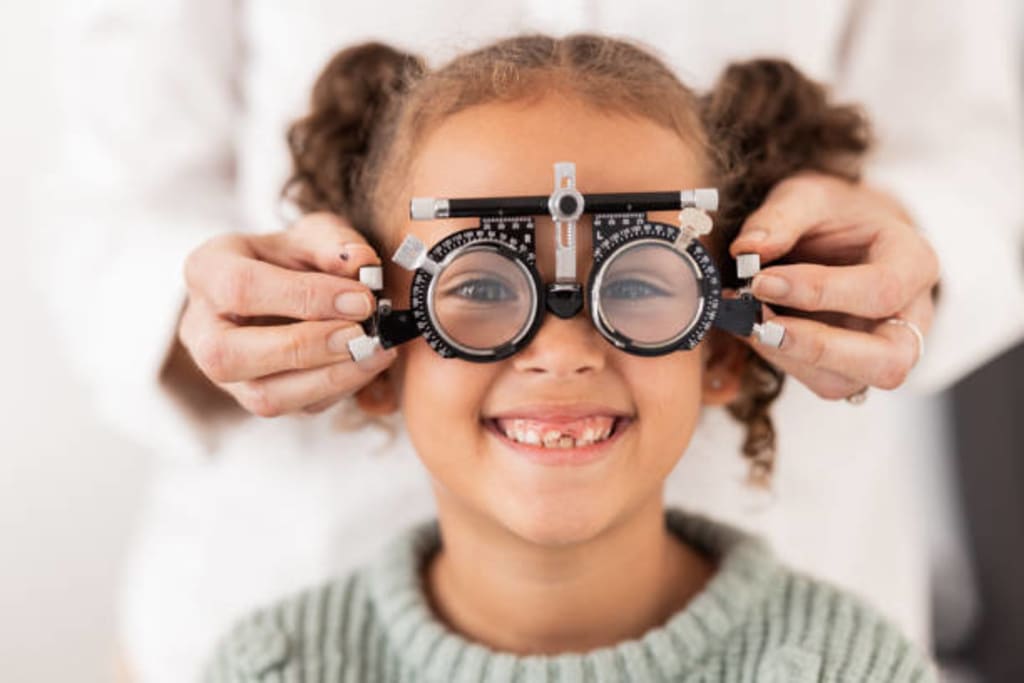
Vision is a crucial part of your child's development and learning process. Early detection and treatment of vision problems can significantly impact your child's overall health, academic performance, and quality of life. Recognizing the signs that indicate your child may need a visit to a pediatric eye clinic is essential for ensuring they receive the appropriate care and support for their vision needs. This article identifies and explains the key signs that your child may need professional eye care.
Difficulty in Seeing Things Clearly
If your child frequently complains about not being able to see the board at school or holds books too close to their face when reading, it may indicate a vision problem. Difficulty in seeing things clearly, whether at a distance or up close, suggests that your child's eyesight may be compromised. A comprehensive eye exam at a pediatric eye clinic can diagnose the extent of the vision problem and determine whether corrective lenses or other treatments are necessary to improve your child's ability to focus and see clearly.
Frequent Squinting or Eye Rubbing
Children often squint or rub their eyes when they experience vision discomfort, which can result from eye strain or irritation. Squinting is an unconscious attempt to improve focus, while eye rubbing may indicate fatigue or an attempt to alleviate discomfort. If you notice these behaviors occurring frequently, it may be a sign that your child is struggling to see properly and that their eyes are under significant strain. Scheduling an appointment with a pediatric eye clinic can help identify the underlying issue and provide appropriate interventions to relieve your child's symptoms.
Complaints of Headaches or Eye Pain
Headaches and eye pain are common symptoms associated with undiagnosed vision problems. Children may experience headaches, especially after prolonged periods of reading, writing, or screen time. Eye pain often accompanies straining to see clearly, leading to fatigue and discomfort. If your child regularly complains of these symptoms, it is crucial to investigate the possibility of a vision problem. An eye exam can determine whether your child's headaches and eye pain are due to refractive errors or other ocular conditions that require treatment.
Excessive Tearing or Discharge
Excessive tearing or discharge from the eyes can indicate an issue with your child's tear ducts or a potential infection. Watery eyes may result from blocked tear ducts, allergies, or eye irritation, while discharge could signify an infection like conjunctivitis. These symptoms, if persistent, should be evaluated by an eye care professional.
A visit to a pediatric eye clinic can provide a thorough assessment and ensure that your child receives the appropriate treatment to address any infections or underlying conditions causing the symptoms. Parents should take proactive steps to protect their child’s vision by seeking timely medical attention and following expert advice for maintaining eye health.
Difficulty Concentrating on Visual Tasks
Children with vision problems often struggle to concentrate on visual tasks, such as reading, writing, or doing homework. They may frequently lose their place, skip words or lines, or show a general disinterest in activities that require sustained visual focus. This difficulty can impact their academic performance and overall confidence. If your child exhibits signs of trouble concentrating on visual tasks, it is essential to rule out vision problems as a contributing factor. A professional eye examination can help identify any visual impairments and provide solutions to improve your child's focus and learning experience.
Misalignment of the Eyes (Strabismus)
Strabismus, commonly known as crossed eyes, occurs when the eyes are not aligned correctly and point in different directions. This misalignment can lead to double vision, poor depth perception, and difficulty focusing. Early detection and treatment of strabismus are critical to preventing long-term vision problems. Eye doctors can use various methods to correct eyeglasses, vision therapy, or surgery, depending on the severity. If you notice your child's eyes appear misaligned, a prompt visit to a pediatric eye clinic is necessary for proper diagnosis and treatment.
Family History of Eye Conditions
A family history of eye conditions, such as myopia, hyperopia, astigmatism, or strabismus, increases the likelihood that your child may develop similar issues. Genetic factors play a significant role in the inheritance of vision problems. If you or close family members have a history of ocular conditions, it is prudent to have your child's eyes examined regularly by a professional. Early monitoring and intervention can help manage potential vision problems effectively, ensuring your child receives appropriate care to maintain healthy eyesight.
Conclusion
Recognizing the signs that indicate your child may need a visit to a pediatric eye clinic is vital for their visual development and overall well-being. Difficulty in seeing clearly, frequent squinting or eye rubbing, complaints of headaches or eye pain, excessive tearing or discharge, difficulty concentrating on visual tasks, misalignment of the eyes, and a family history of eye conditions are all key indicators. Early detection and intervention can prevent more severe vision problems and contribute to your child's academic success and quality of life. By staying vigilant and prioritizing regular eye exams, you can ensure your child receives the necessary care to support their visual health.
About the Creator
Cleveland Eye Clinic
At the Cleveland Eye Clinic, the dedicated team of doctors are committed to unlocking the full visual potential of individuals through a commitment to exceptional, experience-driven eye care.
Keep reading
More stories from writers in Writers and other communities.
Preservation for Eternal Impact
It is easy to feel as though most of what is said disappears. Words are spoken, written, posted, argued over, and then quickly buried beneath the next wave of noise. Attention moves on. Platforms refresh. What once felt urgent becomes invisible. In that environment, a quiet but persistent question emerges. What actually lasts. And more uncomfortably, what is worth preserving when so much seems to vanish without consequence.
By Peter Thwing - Host of the FST Podcast6 days ago in Writers
Killing him slowly
There’s an intruder in my house again. He stumbles through the door, wet carrier bags in hand. He’s bought me offerings. I show my appreciation, letting him caress my beautiful body. He wants to touch me. I rub myself against his legs. He sighs, dropping the bags. He can’t resist touching me. Running his hand slowly down my spine, I arch my back towards his caress, let out a low purr. It’s what we both need.
By N J Delmas6 days ago in Horror




Comments
There are no comments for this story
Be the first to respond and start the conversation.