
Shockwave Therapy in Orthopedics: A Game Changer for Tendonitis Treatment
The Science Behind Shockwave Therapy for Tendonitis

If you've ever experienced tendonitis, you know how frustrating and painful it can be. The constant discomfort, difficulty with simple movements, and limited treatment options make it a challenging condition. But in recent years, there’s been a breakthrough that’s changing how doctors approach tendonitis—shockwave therapy. Let’s dive into what this innovative treatment is all about and why it’s making waves in orthopedics.
What Is Tendonitis?
Tendonitis happens when a tendon—those strong cords that connect muscles to bones—becomes inflamed. This inflammation usually occurs because of overuse or injury. People who do repetitive motions, like athletes or even those typing away at a keyboard, are especially at risk. Common types of tendonitis include tennis elbow, jumper's knee, and Achilles tendonitis.
Symptoms often include pain, swelling, and limited mobility. The pain can be sharp or dull, but one thing is for sure: it’s hard to ignore. Traditional treatments like rest, ice, physical therapy, or anti-inflammatory medications help, but they don’t always resolve the problem. That’s where shockwave therapy comes in.
What Is Shockwave Therapy?
Shockwave therapy is a non-invasive treatment that uses sound waves to stimulate healing in the body. These sound waves aren’t like the ones you hear in music; they’re high-energy acoustic waves that are directed to the injured area. The goal is to reduce pain, improve blood flow, and speed up tissue repair.
Doctors use a small device to deliver these waves directly to the tendon. It might sound futuristic, but it’s rooted in science. Originally developed to break up kidney stones, shockwave therapy has found its place in treating various conditions, including tendonitis.
How Does Shockwave Therapy Work?
Here’s the simple explanation: when the sound waves hit the affected tendon, they create tiny microtraumas. Now, that might sound scary, but it’s a good thing. These microtraumas signal the body to start its natural healing process. Blood flow increases, and your body sends more nutrients and cells to repair the damaged tissue.
Shockwave therapy also reduces calcification, a common issue in chronic tendonitis where calcium deposits build up in the tendon. These deposits make the condition more painful and harder to treat. By breaking down the calcium, shockwave therapy restores flexibility and function to the tendon.
Why Is Shockwave Therapy a Game Changer?
For years, tendonitis sufferers had limited options for relief. Resting the tendon, taking medications, or even resorting to surgery were the go-to treatments. But none of these are perfect solutions. Medications only mask the pain, and surgery comes with risks and long recovery times. Shockwave therapy offers a middle ground—a non-invasive, effective treatment with minimal downtime.
Research supports its effectiveness. Studies show that most patients experience significant pain relief and improved mobility after a few sessions. Unlike other treatments, the effects of shockwave therapy aren’t just short-term. It promotes actual healing, meaning the results can last for months or even years.
What Makes Shockwave Therapy Different?
- Non-Invasive Treatment: No needles, no scalpels, no stitches. Shockwave therapy is done entirely from outside the body.
- Minimal Side Effects: Some people experience mild discomfort during the procedure or slight redness afterward, but these effects usually go away quickly.
- Quick Sessions: Treatments typically last 15 to 20 minutes, making it easy to fit into a busy schedule.
- Versatility: It’s not just for tendonitis. Shockwave therapy can also treat plantar fasciitis, bursitis, and even some bone conditions.
Who Can Benefit from Shockwave Therapy?
If you’ve been struggling with tendonitis that won’t go away, shockwave therapy might be worth considering. It’s particularly helpful for people with chronic tendon issues—those nagging injuries that haven’t improved with traditional treatments. Athletes, active individuals, and even older adults dealing with wear-and-tear injuries have found relief through this therapy.
However, it’s not suitable for everyone. Pregnant women, people with blood clotting disorders, and those with certain medical implants may need to explore other options. Always consult a healthcare professional to see if shockwave therapy is right for you.
Shockwave Therapy in The Villages: An Accessible Option
If you’re in The Villages and looking for this cutting-edge treatment, you’re in luck. Clinics like Legacy Clinic of Chiropractic provide expert care with a focus on patient well-being. They use advanced technology to ensure the therapy is both effective and comfortable.
Whether you’re searching for the Best shockwave therapy The Villages has to offer or something more budget-friendly, there are options for everyone. Finding affordable shockwave therapy The Villages is possible without compromising on quality.
What to Expect During a Session
If you’re considering shockwave therapy, you might be wondering what the process is like. Here’s a quick overview:
- Consultation: The first step is to meet with a doctor who will evaluate your condition. They’ll check your medical history and determine if shockwave therapy is the right fit.
- Treatment Plan: If approved, the doctor will create a customized treatment plan. Most people need three to six sessions, spaced about a week apart.
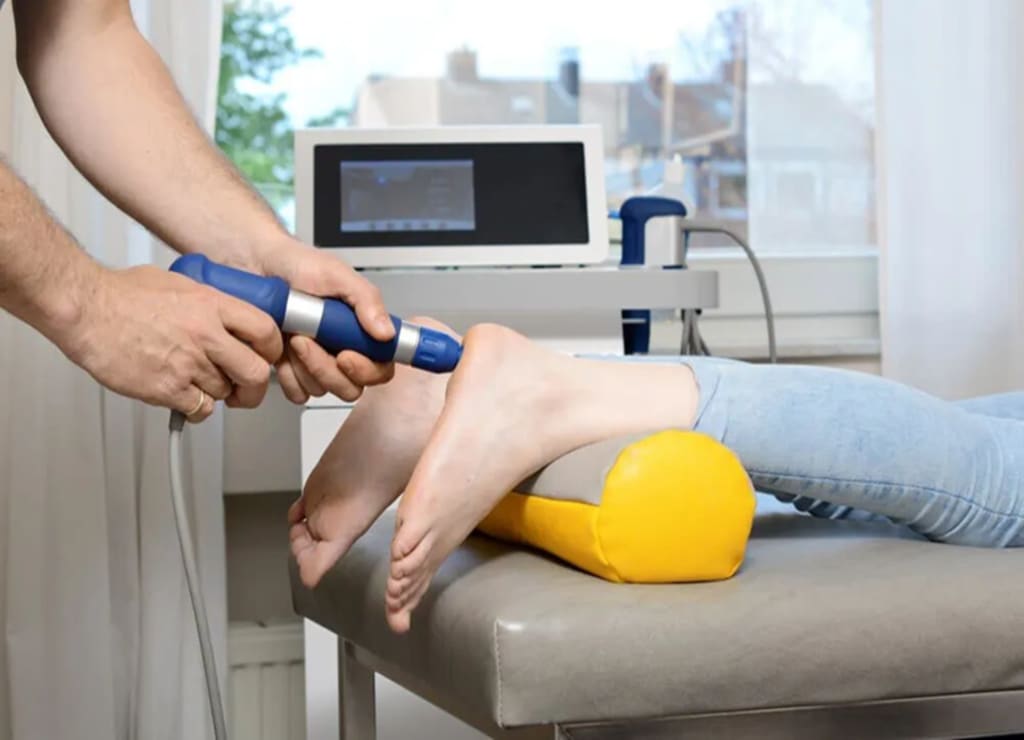
- Procedure: During the session, the doctor will apply a gel to the treatment area and use a handheld device to deliver the sound waves. You might feel slight discomfort, but it’s usually tolerable.
- Aftercare: There’s no downtime, but it’s important to follow your doctor’s advice, which might include gentle stretching or avoiding strenuous activity for a few days.
The Future of Shockwave Therapy in Orthopedics
As more people discover the benefits of shockwave therapy, it’s likely to become a standard treatment for tendonitis and other musculoskeletal conditions. Ongoing research continues to uncover new ways this technology can help people heal. Its success in orthopedics may pave the way for its use in other fields, such as dermatology or even neurology.
For now, shockwave therapy is already making a big difference for those dealing with chronic pain and limited mobility. It’s not just a treatment; it’s a step toward getting your life back.
Final Thoughts
Tendonitis doesn’t have to control your life. With treatments like shockwave therapy, relief is possible. This innovative approach offers hope for those who’ve struggled with pain and limited options for too long. Whether you’re an athlete looking to get back in the game or simply someone wanting to enjoy daily activities without discomfort, shockwave therapy could be the solution you’ve been searching for.
For residents of The Villages, clinics like Legacy Clinic of Chiropractic are making this treatment accessible and effective. With options ranging from the best shockwave therapy The Villages can provide to Affordable shockwave therapy The Villages, there’s no reason to let tendonitis hold you back.
Always consult with a healthcare professional to determine if shockwave therapy is right for you. Your journey to pain relief might just start with a simple sound wave.
About the Creator
Jack Thomas
I’m Jack Thomas, a versatile blogger and SEO expert with a passion for exploring every niche. From tech to lifestyle, I craft engaging, high-quality content that informs, inspires, and connects readers.
Keep reading
More stories from Jack Thomas and writers in Writers and other communities.
Top Web Development Services in Edmonton to Transform Your Online Presence
Do you know that a website is like a digital storefront for your favorite store? Imagine trying to buy something online, but the website looks messy, is hard to use, or takes forever to load. That’s pretty frustrating, right? Well, this is where web development services come in to save the day! In Edmonton, businesses of all kinds need fantastic websites that look great and work even better. So, let’s dive into how web development services in Edmonton can help create amazing websites and transform your online presence.
By Jack Thomasabout a year ago in Writers
Knives and Forks
Alright, it’s enough, I’m not going to fall asleep anyway, and I can’t stand another hour of staring at this ceiling. Thoughts just drift through my mind, and from all this lying around, my calves start to cramp again. At least I slept through most of yesterday. Paying that debt I built with lifestyle. That helps. With that, I can push through today until the evening, as I did so many times before. I blame her for it anyway. It was definitely her who tore me out of my dreams at half past two in the morning. She did it, and now she’s pretending that nothing happened.
By George Roast7 days ago in Writers




Comments
There are no comments for this story
Be the first to respond and start the conversation.