
Safety Protocols in Concrete Coring Operations
Safety in Concrete Coring Operations
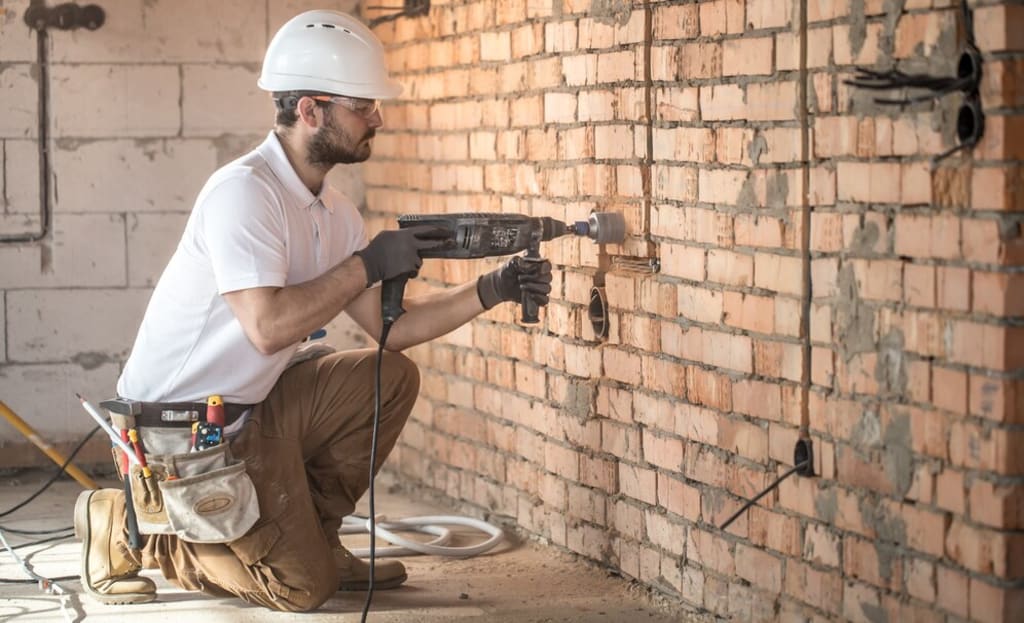
Concrete coring is one of the vital processes involved in construction and renovation works. It enables one to get the accurate circular opening through the concrete structure.
Though necessary for different purposes, like the installation of utilities or testing, concrete coring must be safely operated. This article will outline some of the safety measures to be observed during the operations to protect the workers and the project's integrity.
Understanding Concrete Coring
Concrete coring is a process by which holes are drilled into concrete with the use of specialized equipment. These may range from small diameters to large openings, depending on the needs of the project.
There are many hazards associated with this process, including exposure to silica dust, injury from equipment, and electrical shock if proper precautions are not taken. Therefore, strict safety measures must be taken.
Basic Safety Measures
1. Personal Protective Equipment (PPE)
Wearing appropriate PPE is very important in concrete coring operations. Workers should be fitted with the following: hard hats to protect from falling objects.
Safety glasses or face shields to protect the eyes from dust and debris. Gloves to prevent cuts and abrasions; steel-toed boots to protect the feet from heavy equipment; hearing protection to protect against noise exposure from drilling machinery, respirators. Especially when working in dusty conditions to avoid silica particle inhalation.
2. Equipment Inspection and Maintenance
Before the start of any coring operation, all equipment should be carefully checked. This includes:
- Checking the wear and tear of the drill bits.
- All the safety guards should be operable.
- The drill rig should be anchored and leveled.
It should also be made sure that water supply systems are functioning in case wet drilling is to be done to reduce dust.
3. Concrete Scanning
It is vital to scan the concrete prior to drilling. The scanning involves the use of GPR, which helps in locating the utilities that are inside the concrete, including conduits, rebar, or electrical lines. Workers mark these spots to avoid hitting important structures, reducing accidents.
4. Proper Drilling Techniques
Proper techniques for drilling will significantly increase safety:
- Select the Correct Drill: Depending on the diameter, use handheld drills for smaller holes and rig-mounted drills for larger openings.
- Appropriate Drill Bits Should Be Applied: Diamond-tipped bits are preferred due to their good performance in concrete material cutting.
- Control at the Time of Drilling: Care should be taken to avoid the free spin of a drill bit without applying pressure; this can result in overheating and potential damage.
5. Dust Control Measures
Silica dust produced by coring operations creates a health hazard over the long term. Effective dust suppression is essential:
- Wet Drilling: Water must be used at the point of drilling to prevent dust particles from becoming airborne.
- Ventilation Systems: Where wet drilling is not possible, adequate ventilation must be provided to disperse dust.
6. Training and Competence
All workers engaged in concrete coring must be fully trained in the following aspects:
- Operation and maintenance of the equipment
- Recognition of hazards and emergency procedures.
- Regular refreshers on safety protocols for skill update.
Emergency Preparedness
1. Emergency Response Plan
Have in place a well-defined emergency response plan that includes:
- First-aid kits and emergency contact numbers.
- Emergency exits and escape routes.
- Regular drills to orient workers with emergency practices.
2. Communication Protocols
Good communication among the members during operations is very important. Hand signals or radios should be used to communicate activity, especially when using heavy machinery or working in a very noisy environment.
Regulatory Compliance
Compliance with local and national regulations applicable to the concrete coring operations will always be compulsory. Some of the basic regulations include:
- OSHA Regulations regarding silica exposure- 29 CFR 1926.1153
- PPE Use Guidelines - 29 CFR 1926 Subpart E.
- LOTO when operating around an energized system.
Conclusion
While the service of concrete coring is indispensible in modern construction, there is a certain amount of associated risks involved with the operation, which must be managed through stringent safety protocols.
With the top priority on personal protective equipment, thorough equipment checks, effective dust control measures, and comprehensive training for all personnel, an organization can substantially minimize risks associated with concrete coring operations.
Safety investment not only protects the workers but also enhances project efficiency and quality. Professional concrete coring services guarantee the enforcement of these safety measures to ensure a safer working environment and successful project execution.
The ability of companies to adhere to these guidelines will create a culture of safety that shall benefit all involved in concrete coring operations while achieving their set project goals with efficiency and effectiveness.
About the Creator
It's Winter
Anne Bernays and Pamela Painter — What If? Writing Exercise for Fiction Writers prompts The Exercise —Write a scene involving two characters. Have the point-of-view character presume something entirely different about the situation from what the other character's overt behavior seems to imply. For example, a landlord comes to visit, and the tenant suspects that it isn't a visit but an inspection. Make up several situations in which one character can fantasize or project or suspect or even fear what another character is thinking. The Objective - To show how your characters can use their imaginations to interpret the behavior and dialogue of other characters.
By Denise E Lindquist22 days ago in Writers
The Summer I Was Chosen by a Northern Mockingbird
During the long, suspended days of the pandemic, a wild mockingbird began visiting my driveway and chose me, again and again. What started as a strange encounter became a brief, meaningful connection that I still carry with me.
By Erica Roberts 4 days ago in Petlife



Comments
There are no comments for this story
Be the first to respond and start the conversation.