
Russia and Ukraine to 'Immediately' Start Ceasefire Talks, Says Trump
In a bold and headline-grabbing statement, former U.S. President Donald Trump has called for Russia and Ukraine to begin ceasefire negotiations immediately, claiming he could bring both leaders to the table...
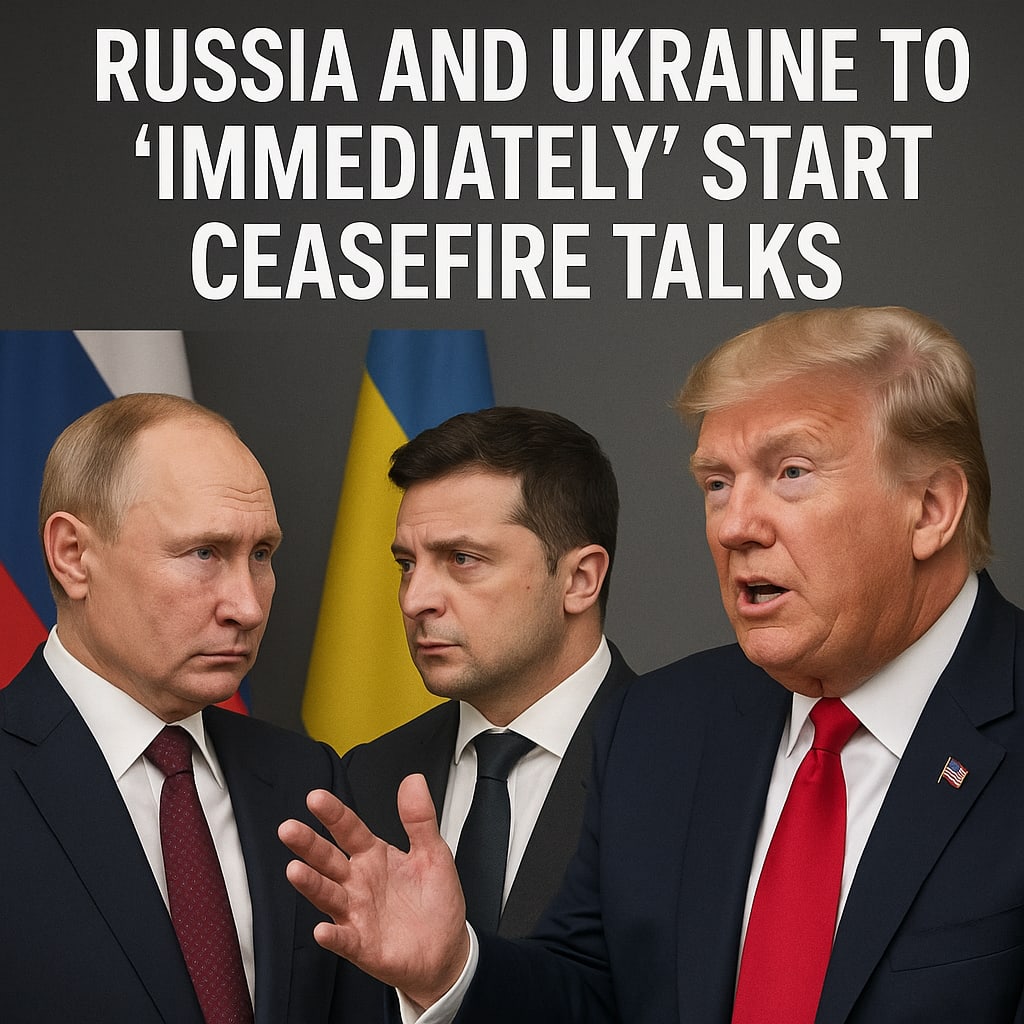
In a bold and headline-grabbing statement, former U.S. President Donald Trump has called for Russia and Ukraine to begin ceasefire negotiations immediately, claiming he could bring both leaders to the table and end the war in “24 hours” if he were still in office. His remarks have added a new layer to global conversations about how to stop the ongoing war that has killed thousands and destabilized international relations since its start in February 2022.
🕊️ Trump’s Promise to End the War Quickly
During a recent public event, Trump addressed the ongoing Russia-Ukraine war and criticized the Biden administration's handling of the conflict. He claimed that under his leadership, this war would never have begun in the first place, and that if re-elected, he would negotiate peace swiftly.
“Putin would never have done this if I were president. I will get them to stop killing each other. This war ends fast—very fast—with me,” Trump said.
This isn't the first time Trump has commented on the war. Since leaving office, he has repeatedly stated that he could solve the crisis quickly, using his personal relationships and negotiation style. Whether this is political strategy or genuine concern is up for debate, but Trump’s influence remains strong among many U.S. voters and international observers.
⚔️ The Background: A Devastating War
The Russia-Ukraine war began on February 24, 2022, when Russia launched a full-scale invasion of Ukraine. Since then, the conflict has resulted in over 500,000 casualties, including soldiers and civilians. Cities have been destroyed, millions of Ukrainians have become refugees, and the economic impact has been felt across Europe and beyond.
Both sides have made occasional gestures toward diplomacy, but talks have repeatedly collapsed. Ukraine insists on regaining all its occupied territories, including Crimea, while Russia has demanded recognition of its annexations. These opposing goals have left peace talks at a standstill.
🌍 Global Response to Trump’s Statement
Reactions to Trump’s statement have been mixed. Some conservative commentators and supporters believe that Trump’s direct approach and previous interactions with both Russian President Vladimir Putin and Ukrainian President Volodymyr Zelenskyy give him an edge in diplomacy.
Others, however, view his comments as unrealistic and overly simplistic. Diplomats and analysts point out that the war is driven by deep geopolitical and historical issues that cannot be solved overnight or by force of personality.
Critics also note that Trump's foreign policy record—while featuring historic meetings with North Korea and talks with NATO—also involved strained relations with traditional U.S. allies and unpredictable diplomacy.
🛡️ Can Peace Talks Really Begin Now?
Despite growing international pressure, peace negotiations remain fragile. Ukraine has made it clear that any deal must involve the full return of its territory. Meanwhile, Russia continues its military offensives and refuses to back down from its territorial claims.
So far, neither the Russian government nor the Ukrainian leadership has officially responded to Trump’s latest remarks. However, both countries remain engaged in limited diplomatic contact through intermediaries such as Turkey and the United Nations.
In recent months, there have been increasing calls from global leaders and organizations urging both nations to consider a ceasefire, at least to reduce civilian suffering and allow humanitarian aid into war-affected areas.
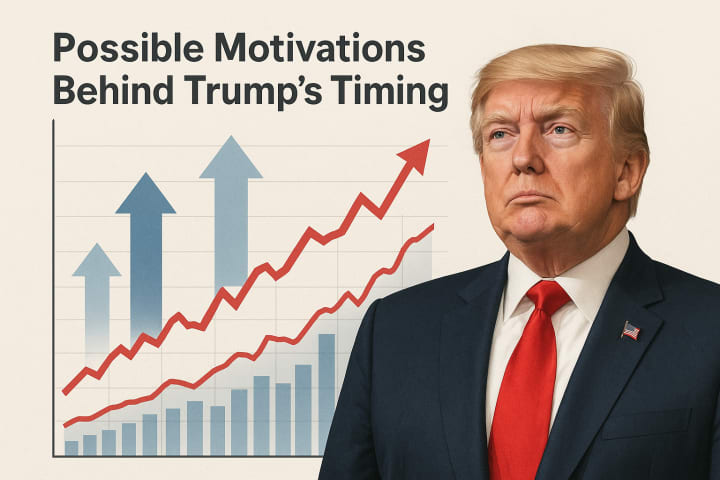
📈 Possible Motivations Behind Trump’s Timing
Some political analysts suggest that Trump’s ceasefire proposal may be part of a broader campaign strategy ahead of the 2024 U.S. presidential election. By presenting himself as a global peacemaker and contrasting his leadership style with that of President Joe Biden, Trump may be attempting to appeal to voters who are frustrated by ongoing international conflicts and rising defense spending.
His remarks could also be intended to reframe his foreign policy legacy. During his presidency, Trump maintained an unconventional relationship with Russia, often drawing criticism for being too soft on President Putin. His current stance may be a way to shift that narrative and present himself as a problem solver.
📣 Public Opinion: A Desire for Peace
Many around the world—especially in war-torn Ukraine—continue to hope for peace. Civilians in both countries have suffered greatly due to bombings, displacement, food shortages, and the loss of loved ones. Humanitarian organizations have warned that the longer the war continues, the more irreversible the damage becomes.
Trump’s suggestion of immediate talks echoes a widespread desire to end the bloodshed. Even if his plan may lack details, the idea of pushing for an urgent ceasefire resonates with people tired of watching endless violence unfold on the news.
💬 What Happens Next?
Whether Trump’s statement leads to real action or not remains to be seen. As of now, the Biden administration continues to support Ukraine militarily and diplomatically, with NATO also standing firmly behind Kyiv.
Peace talks, when they do occur, will likely involve multiple nations, security guarantees, and complex legal negotiations. The road to peace is long, but Trump's comments have once again pushed the war—and the need for diplomacy—into the political spotlight.
✅ Conclusion
Former President Donald Trump’s call for Russia and Ukraine to begin immediate ceasefire talks has stirred discussion globally. While his confidence in ending the war quickly has been met with both hope and skepticism, his comments highlight an urgent truth: the need for peace is more critical than ever. Whether through Trump, current leaders, or a coalition of mediators, the world continues to search for a path to end the war and bring relief to the millions affected.
About the Creator
Keep reading
More stories from Limon Kabir and writers in Writers and other communities.
The Orange Cat Mystery: Scientists Finally Reveal the Genetic Secret
The mystery behind why an orange cat is more likely to be male has finally been solved by scientists. Researchers from Stanford University and Kyushu University have independently discovered a specific genetic mutation on the X chromosome that gives these distinctive felines their vibrant coat color.
By Limon Kabir9 months ago in Journal



Comments
There are no comments for this story
Be the first to respond and start the conversation.