
Relocate to Paradise: How to Live, Work, and Invest in the Caribbean Islands
Relocate to Paradise

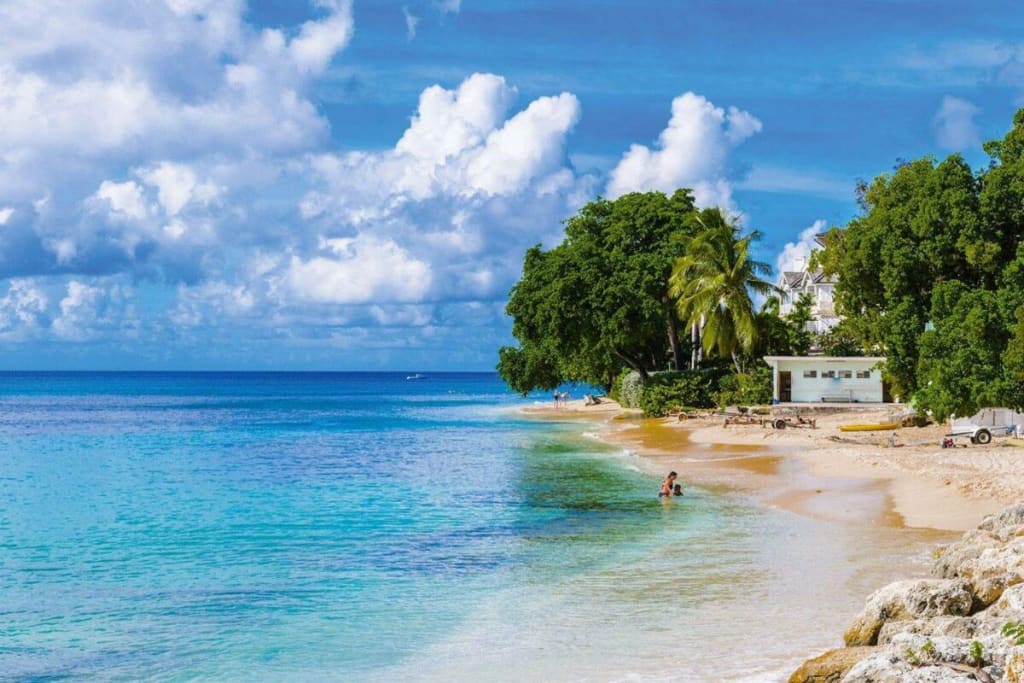
Dreaming of palm-fringed beaches, crystal-clear waters, and a relaxed island lifestyle? Living in the Caribbean is more than just a fantasy—it’s an achievable reality for thousands of expats, retirees, remote workers, and global investors. Whether you're seeking a slower pace of life, new business opportunities, or a second passport through a Caribbean citizenship by investment program, the region offers an irresistible mix of natural beauty, cultural vibrancy, and financial advantages.
From affordable real estate and tax-free living to high-quality healthcare and remote work visas, the Caribbean is evolving into one of the most desirable places to live and invest. This guide explores everything you need to know—from housing and job markets to safety, healthcare, and a full Caribbean citizenship by investment comparison to help you choose the right path to residency.
Let’s dive into what it really means to live, work, and thrive in the Caribbean Islands.
1. Life & Lifestyle in the Caribbean
The Caribbean is more than just a postcard-perfect vacation destination. For thousands of expatriates and remote workers, it's a place to call home. Life here moves at a relaxed pace, shaped by vibrant culture, natural beauty, and community-centric living.
1.1 Climate & Seasons
The Caribbean boasts a tropical climate with warm temperatures year-round. There are two primary seasons: dry (December to May) and rainy (June to November). While the weather is generally pleasant, it's important to prepare for hurricane season, particularly in areas like Puerto Rico or the Bahamas.
1.2 Culture, Language & Community
Caribbean culture is a colorful mix of African, European, Indigenous, and Asian influences. English is widely spoken across most islands, though Spanish, French, and Dutch are also common. Each island has a unique cultural identity, but all share a strong sense of hospitality and tight-knit community living.
1.3 Daily Life: Rhythm, Norms & People
Life in the Caribbean moves at an unhurried pace. Social norms emphasize respect, friendliness, and family values. Most communities are welcoming, and new residents often find it easy to integrate, especially if they participate in local events and festivals.
2. Housing & Cost of Living
Finding the right place to live is a top priority for anyone relocating to the Caribbean. Fortunately, the region offers a broad spectrum of housing options suitable for different budgets and lifestyles.
2.1 Real Estate Types & Costs
Housing ranges from beachfront villas and condos to countryside cottages and modern apartments. In high-demand areas like the Cayman Islands and Barbados, expect premium pricing. More affordable options can be found in Dominica, Grenada, and the Dominican Republic.
2.2 Rent vs Buy: What Expats Choose
Many newcomers choose to rent initially while they explore the island. Rental costs can range from $600 to $3,000+ per month depending on location and amenities. Buying property is also common, particularly for those pursuing long-term residency or investment-based citizenship.
2.3 Daily & Monthly Living Expenses
Beyond housing, the cost of living includes groceries, utilities, internet, and transportation. Imported goods can be pricey, so adapting to local products helps reduce expenses. Monthly costs for a single person typically range from $1,200 to $2,500.
3. Safety, Healthcare & Insurance
Safety and access to quality healthcare are critical considerations for long-term living in the Caribbean.
3.1 Crime Rates & Safer Islands
While petty crime exists, particularly in tourist-heavy areas, most islands are generally safe. Islands like Anguilla, Turks and Caicos, and the Cayman Islands consistently rank among the safest. As always, exercising common sense is key.
3.2 Healthcare Systems & Private Clinics
Healthcare quality varies by island. Larger islands like Barbados and Trinidad have public healthcare systems, while smaller ones rely heavily on private clinics. For peace of mind, many expats opt for international health insurance plans that cover both routine and emergency care.
3.3 Health & Property Insurance Essentials
Insurance is vital for managing risks—especially in a region prone to hurricanes. Comprehensive health insurance, property insurance, and evacuation coverage should all be considered as part of your relocation plan.
4. Work, Jobs & Remote Opportunities
The Caribbean job market is diverse but competitive. While tourism dominates, new opportunities are emerging for remote professionals and entrepreneurs.
4.1 Employment in Tourism & Hospitality
Tourism is the backbone of many Caribbean economies. Jobs in hotels, resorts, and tour operations are common. Knowledge of multiple languages can be an asset in these roles.
4.2 Remote Work & Digital Nomad Visas
With improved internet infrastructure, several islands now cater to digital nomads. Barbados, Antigua, and the Cayman Islands offer special remote work visas valid for up to two years. These programs are ideal for freelancers, tech workers, and consultants.
4.3 Work Permits, Regulations & Salaries
Work permits are typically required unless you're a citizen or hold special residency status. Salaries in local roles may be lower than in North America or Europe, but the quality of life often compensates for this.
5. Starting a Business & Investment Potential
The Caribbean offers promising opportunities for entrepreneurs and investors, particularly in tourism, agriculture, and eco-friendly ventures.
5.1 Business-Friendly Islands
Islands such as St. Lucia, Antigua, and the Bahamas have streamlined processes for foreign investment. Tax incentives and free trade zones further sweeten the deal.
5.2 Tourism & Eco-Based Ventures
Tourism-related businesses—like boutique hotels, dive shops, or guided tours—can be highly profitable. Eco-tourism and wellness retreats are growing niches that attract environmentally conscious travelers.
5.3 Legal Setup & Local Partnerships
Setting up a business usually requires registering with the local government, obtaining licenses, and in some cases, forming partnerships with local residents. Legal advice is highly recommended.
6. Taxes, Banking & Offshore Benefits
Caribbean nations are known for their favorable tax systems and financial services sector.
6.1 Tax-Free Zones & Residency Perks
Many islands offer zero income tax, no capital gains tax, and no inheritance tax. This makes them attractive to high-net-worth individuals and retirees seeking tax-efficient living.
6.2 Banking Systems & Offshore Accounts
Major islands have well-established banking systems with options for both residents and non-residents. Offshore banking is legal and widely used, although compliance with international regulations like FATCA is required.
6.3 Expat Taxation & Global Reporting
Expats from countries like the U.S. must still report foreign income. It’s important to understand your home country’s tax obligations and work with a cross-border tax advisor.
7. Caribbean Citizenship by Investment
Caribbean citizenship by investment (CBI) programs provide a fast-track route to legal residency and global mobility.
7.1 Top Citizenship Programs (Antigua, St. Lucia, Dominica…)
Several nations, including Antigua & Barbuda, Dominica, St. Kitts & Nevis, Grenada, and St. Lucia, offer CBI programs. These typically involve a government donation or real estate investment.
7.2 Benefits: Visa-Free Travel, Tax Strategy, Dual Nationality
CBI grants visa-free travel to over 140 countries, including the EU and UK. It also opens doors to financial planning opportunities and dual citizenship, which many countries in the Caribbean permit.
7.3 Caribbean Citizenship by Investment Comparison
When it comes to Caribbean citizenship by investment comparison, consider processing times, total costs, eligible dependents, and travel freedoms. For example, Dominica and St. Lucia offer some of the most affordable routes, while St. Kitts & Nevis boasts one of the oldest and most respected programs. Each program has its own strengths in terms of speed, reputation, and benefits.
7.4 Application Process & Family Inclusion
Most programs allow spouses, children, and sometimes even parents to be included. The process typically takes 3–6 months and includes background checks and financial disclosures.
8. Places to Visit & Tourist Attractions
Even residents can’t resist the allure of Caribbean attractions—from world-famous beaches to historical treasures.
8.1 Famous Beaches & Hidden Gems
Must-visit beaches include Grace Bay (Turks & Caicos), Seven Mile Beach (Cayman Islands), and Shoal Bay (Anguilla). For a quieter experience, try the beaches of Dominica or Montserrat.
8.2 Heritage, Food & Music Festivals
Cultural events like Junkanoo in the Bahamas, Carnival in Trinidad, and St. Lucia Jazz Festival showcase the region's rich heritage. Local street food—from jerk chicken to callaloo—offers a delicious journey into island culture.
8.3 Best Islands for Day Trips & Adventures
The Virgin Islands are perfect for island-hopping, while St. Vincent offers hiking and waterfall adventures. Nature lovers will enjoy the Pitons in St. Lucia or diving in Bonaire.
9. Final Thoughts & Recommendations
Living in the Caribbean is more than just a lifestyle—it’s a strategic choice for many professionals, retirees, and global citizens. With its favorable tax regimes, warm culture, and breathtaking beauty, the region offers a compelling mix of quality of life and opportunity.
- Checklist for Getting Started:
- Research and visit multiple islands
- Decide between renting or buying property
- Explore work permits or remote visa programs
- Compare citizenship by investment options
- Ensure proper healthcare and insurance coverage
Whether you’re chasing sunshine, seeking investment advantages, or looking for a slower pace of life, the Caribbean could very well be your perfect escape.
About the Creator
Abbasi Publisher
Khurram Abbasi is a professional content strategist and writer, founder of Abbasi Publisher, specializing in guest posting, high-authority backlinks, and media placements to elevate brands and digital presence.
Keep reading
More stories from Abbasi Publisher and writers in Writers and other communities.
What Makes a Certified Personal Trainer Truly Stand Out
Choosing a personal trainer is an important step for anyone serious about improving their fitness, health, and overall well-being. But not all trainers are the same. While many may call themselves fitness coaches or gym instructors, a certified personal trainer brings something more to the table, training, knowledge, and a commitment to professional standards. However, certification alone does not make a trainer stand out. So, what actually makes a certified trainer truly different and worth your time, money, and trust? Let’s break it down in this article.
By Abbasi Publisher7 months ago in Writers
It's Winter
Anne Bernays and Pamela Painter — What If? Writing Exercise for Fiction Writers prompts The Exercise —Write a scene involving two characters. Have the point-of-view character presume something entirely different about the situation from what the other character's overt behavior seems to imply. For example, a landlord comes to visit, and the tenant suspects that it isn't a visit but an inspection. Make up several situations in which one character can fantasize or project or suspect or even fear what another character is thinking. The Objective - To show how your characters can use their imaginations to interpret the behavior and dialogue of other characters.
By Denise E Lindquist17 days ago in Writers
ChatGPT Health and Medical Records: What Convenience Costs Us in 2026
Introduction: Artificial intelligence has quietly moved from being a helpful tool to becoming a daily companion. In 2026, one of the most talked-about developments is ChatGPT Health, a feature that allows users to upload medical records and receive personalized health explanations. For many people, this feels like a breakthrough. Medical reports are confusing, doctor visits are short, and health information is often difficult to understand.
By David John7 days ago in Writers
My New Book is Finally Here
My poetry collection Beautiful and Brutal Things is done. It's actually done and finally published over 270 pages. Over a year of my life went into this book. More than a year, really. Long days at my computer, sometimes seven days a week because I couldn't stop even when I probably should have. Then two months of editing that felt harder than the writing itself. But it's finished, and I'm still standing, and the book is real.
By Tim Carmichael2 days ago in BookClub




Comments
There are no comments for this story
Be the first to respond and start the conversation.