
Reflections of Identity: Finding Belonging Through Representation
A Journey of Self-Discovery and Empowerment in Literature
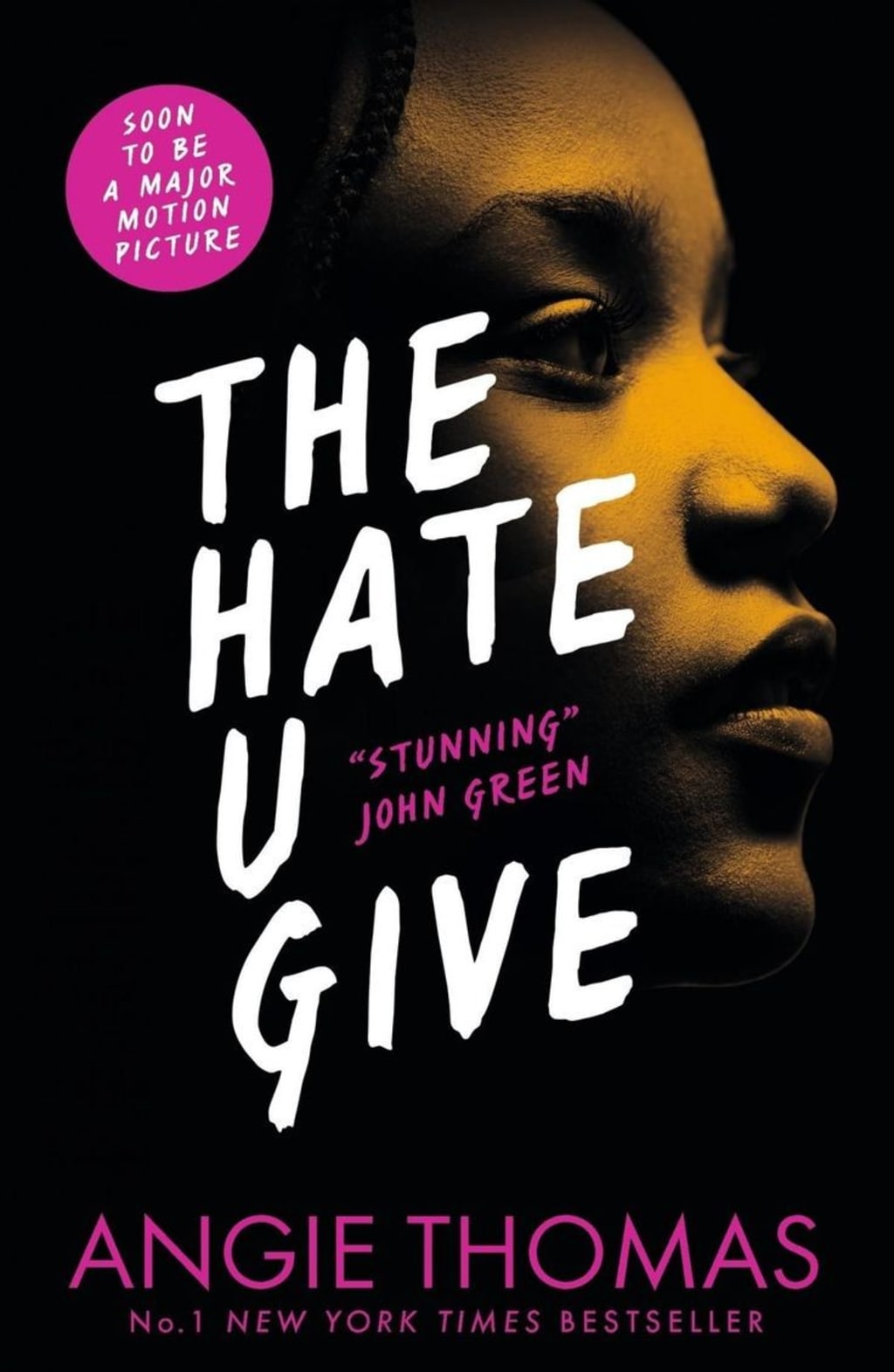
### The Power of Representation: A Personal Reflection
Growing up, I often felt like an outsider, navigating the complexities of my identity amidst a world that frequently overlooked or misrepresented people like me. My experiences were shaped by a constant search for validation and connection through the stories I encountered in media, literature, and pop culture. It wasn't until I stumbled upon a particular book that I truly recognized myself reflected in a narrative, profoundly influencing my sense of identity and belonging.
#### Discovering the Story
The moment came when I read **“The Hate U Give”** by Angie Thomas. As I flipped through the pages, I was immediately captivated by Starr Carter, a young Black girl who navigates the challenges of her urban environment, grappling with themes of race, identity, and social justice. Starr's voice was not just a character to me; she was a mirror reflecting my own experiences and struggles.
Growing up in a predominantly white suburb while being one of the few Black kids in my school, I often felt invisible. The narratives around me rarely included characters who looked like me, spoke like me, or shared my experiences. But Starr’s story resonated deeply; her struggles with her dual identity—balancing her life in a tough neighborhood with the expectations of her predominantly white school—echoed my own. I had lived the tension of feeling different, of not fully belonging anywhere.
#### The Emotional Impact
As I immersed myself in Starr’s world, I felt a profound sense of connection. Her courage in speaking out against injustice inspired me. I remember moments when I had stayed silent, afraid to voice my opinions for fear of being misunderstood or judged. Through Starr, I learned the importance of owning my voice and standing up for what I believed in.
One passage that struck me was when Starr grapples with her identity and the pressure to conform to her surroundings. I often felt that pressure too—trying to adapt to the expectations of my peers while yearning to stay true to my roots. Starr’s internal conflicts mirrored my own, and for the first time, I felt understood. This moment of recognition ignited a fire within me to embrace my identity unapologetically.
#### Shifting Perspectives
The book also opened my eyes to the broader issues of racial inequality and social justice. Starr’s experiences highlighted systemic racism and the struggles faced by marginalized communities. I began to realize that my identity was not just a personal experience but part of a larger narrative. I started to educate myself about social issues and became more involved in conversations about race, justice, and equality.
This shift in perspective was empowering. It taught me that my voice mattered, and that I could contribute to the dialogue surrounding the issues that affected my community. I began attending workshops, reading more diverse literature, and engaging with advocacy groups. Starr’s journey was a catalyst for my own, pushing me to step out of my comfort zone and advocate for change.
#### Building Community
The representation I found in “The Hate U Give” helped me seek out others who shared similar experiences. I joined book clubs focused on diverse narratives and found a community of individuals who, like me, were looking for connection and understanding. We shared our stories, discussed the challenges we faced, and celebrated our victories.
This newfound community fostered a sense of belonging that I had previously longed for. It was liberating to be in spaces where I could express myself authentically without fear of judgment. We celebrated our cultures, uplifted each other, and collaborated on projects aimed at promoting awareness of social issues. This collective energy fueled my desire to advocate for change, both within my community and beyond.
#### The Ongoing Journey
While the experience of seeing myself represented in media was transformative, it was also just the beginning of my journey. I learned that representation is not a singular event; it is an ongoing process. Each new story I encountered, whether in books, films, or music, continued to shape my understanding of my identity. Characters who reflected different facets of my experience deepened my appreciation for the complexity of identity itself.
For example, discovering the work of authors like Toni Morrison and Chimamanda Ngozi Adichie further enriched my understanding of what it means to be a part of the Black diaspora. Their narratives explored themes of resilience, love, and community, resonating with my own journey and expanding my perspective on identity.
#### Conclusion
In retrospect, the moment I saw myself represented in “The Hate U Give” was a turning point in my life. It ignited a passion for advocacy, helped me embrace my identity, and connected me to a community of like-minded individuals. Representation in media matters—it validates our experiences, empowers us to find our voices, and fosters a sense of belonging.
As I continue to navigate my path, I carry with me the lessons learned from Starr and other characters who reflect the richness of my identity. I strive to contribute to a world where everyone can find their voice and feel seen, understood, and celebrated. In doing so, I hope to inspire others, just as Starr inspired me.
About the Creator
Keep reading
More stories from writers in Writers and other communities.
Unofficial Challenge: What would you do if you were rich?
I love the kind of work I get to do in my career, but as I job search and browse apartments again due to another understaffed and unsustainable work environment that I did not intend to get into, my daydreams of better days consistently lean into the same question: What would I do if I didn't have to worry about my basic needs being met?
By Kay Husnick2 days ago in Writers
Missed a Day of Writing? Read This Before You Panic
I missed yesterday. I didn't write, not one word, not even a sentence in my notes app, nada. I went to bed feeling like I'd failed, like I'd broken something important and assuming the entire habit I'd built was now ruined.
By Ellen Francesabout 10 hours ago in Writers
Part 2 Interview With Joe Patterson, Author Of Melanin Memoirs
This is my second interview with Joe Patterson. His 4th anniversary writing on Vocal will be in March 2026. He has one achievement on Vocal, The Other Foot. He has over 17,000 reads on Vocal since he started on Vocal in 2022. Joe Patterson is very creative poet and rapper. Joe is deep thinker and I feel it is reflected in his latest published book, Melanin Memoirs.
By Mariann Carroll7 days ago in Interview
Goodbye, Mr. Duvall
It is turning out to be an interesting year. I was in the middle of teaching a class when a pop-up appeared on the screen announcing the death of Mr. Robert Seldon Duvall (yes, that was his full name). I was in the middle of a discussion on the obsession we have with winning when it comes to sports (the Winter Olympics was a theme), and I felt as though things were coming full circle. We had already lost Gene Hackman last year, and along with that titan, it feels though one particular golden age has closed off to be replaced by...?
By Kendall Defoe 3 days ago in Geeks



Comments
There are no comments for this story
Be the first to respond and start the conversation.