
Reducing Maintenance Hours: How Centralized Lubrication Systems Keep Your Stationary Concrete Pumps Running Smoothly
Centralized Lubrication Systems Keep Your Stationary Concrete Pumps Running Smoothly
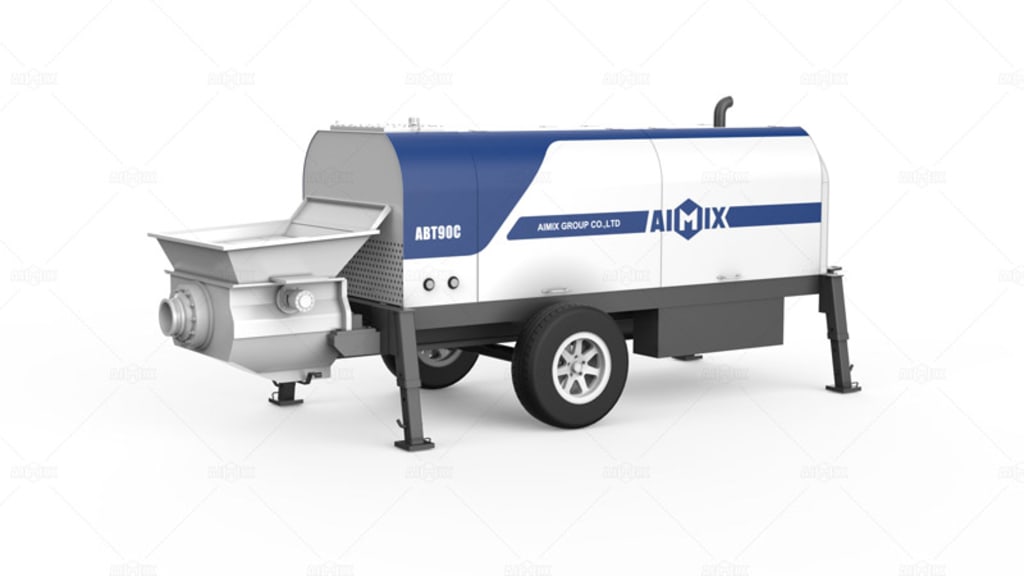
Maintenance is the silent guardian of stationary concrete pumps, yet it often demands excessive labor hours when performed manually. Traditional lubrication methods, while functional, introduce inefficiencies that compound over time—missed lubrication points, inconsistent application, and the inevitable wear that follows. Centralized lubrication systems eliminate these variables, ensuring every critical component receives precise, automated lubrication at optimal intervals. The result? Extended equipment life, fewer unplanned stoppages, and a dramatic reduction in hands-on maintenance.
The Hidden Cost of Manual Lubrication in Stationary Concrete Pumps
Manual lubrication relies heavily on human consistency—a factor prone to lapses. Technicians may overlook hard-to-reach grease points or apply insufficient lubricant under time constraints. These oversights accelerate wear in high-stress components like swivel joints, cylinder surfaces, and bearing assemblies. Friction-induced heat degrades seals, while metal-on-metal abrasion silently shortens the lifespan of pistons and valves.
The cumulative effect is insidious. A single under-lubricated pivot point can escalate into premature bearing failure, triggering a cascade of secondary damage. Downtime for repairs not only halts production but also strains maintenance budgets with emergency part replacements and overtime labor. In contrast, automated systems dispense lubricant with metronomic reliability, erasing human error from the equation.
How Centralized Lubrication Systems Optimize Pump Performance
Centralized systems function as the circulatory system for your pump’s lubrication needs. A network of distribution lines delivers grease or oil from a central reservoir to designated points at programmed intervals. Progressive or dual-line systems ensure even distribution, while pressure monitors verify that each nozzle receives its intended volume. This precision prevents both starvation and over-lubrication—two extremes that jeopardize component integrity.
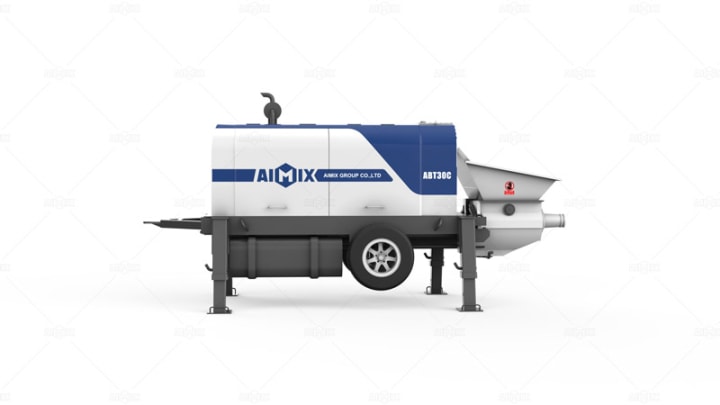
Consider the impact on a pump’s hydraulic cylinders. Automated lubrication maintains a consistent film thickness on rod surfaces, preventing scoring and seal degradation. Similarly, gearbox components benefit from timed oil mist applications that reduce pitting and micropitting in high-load gears. By maintaining optimal viscosity where it matters most, these systems mitigate thermal breakdown and oxidative wear, preserving tolerances that manual methods struggle to sustain.
Long-Term Benefits: Fewer Breakdowns, Lower Maintenance Costs
The financial calculus of centralized lubrication is compelling. While the initial investment exceeds manual grease guns, the ROI materializes through deferred part replacements and reclaimed productivity. Predictive maintenance becomes attainable when lubrication-related failures vanish from the failure-mode spectrum. Technicians reallocate hours previously spent on greasing routines to higher-value diagnostics or preventive inspections.
Operational continuity is another dividend. Concrete pumps immobilized for bearing swaps or cylinder repairs disrupt project timelines, often incurring penalty clauses. Automated lubrication virtually eliminates these scenarios, ensuring concrete trailer pumps operate at peak efficiency between scheduled service intervals. Over a five-year span, the reduction in unscheduled downtime can offset the system’s cost multiple times over—a boon for fleet managers tracking cost-per-cubic-meter metrics.
Integration and Adaptability for Diverse Pump Configurations
Modern centralized systems are not one-size-fits-all impositions. Modular designs accommodate variations in pump size and lubrication point density. Electric or pneumatic pump options suit environments with limited power access, while programmable controllers adjust intervals based on runtime hours or concrete output volume. Retrofitting existing pumps is often straightforward, with bolt-on manifolds and flexible tubing that navigate complex machinery layouts.
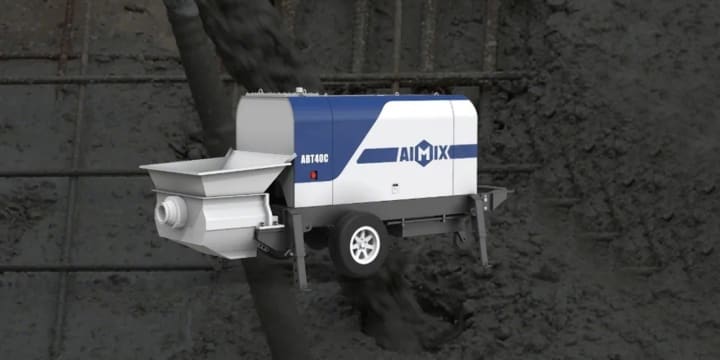
The data aspect should not be overlooked. Advanced systems log lubrication events and pressure readings, creating an audit trail for maintenance records. This transparency aids in warranty claims and resale valuations, proving consistent care was given to critical components. For operations pursuing ISO certification or similar standards, such documentation is invaluable.
A Strategic Shift in Maintenance Philosophy
Adopting centralized lubrication transcends a mere concrete pumping equipment upgrade—it reflects a commitment to proactive asset management. In an industry where margins hinge on reliability, minimizing preventable wear is a competitive advantage. The system’s quiet efficiency belies its transformative potential: fewer wrenches turning in panic, fewer midnight calls to repair crews, and more concrete flowing on schedule. For stationary pump operators, that reliability is the foundation of profitability.
About the Creator
AIMIX
Construction Machine Manufacturer in China. Find Machines here: https://aimixconcretesolution.com/
How Local Regulations Impact Mobile Apps in Milwaukee?
Regulations rarely feel urgent during early planning. They surface quietly, usually as footnotes in proposals or brief mentions during discovery calls. Then development begins, real data flows through the system, and suddenly those footnotes become constraints that reshape timelines, architecture, and cost.
By Mike Pichai4 days ago in Writers



Comments