
Reducing Errors with Medical Device-EHR Integration: What You Need to Know
Medical device software development

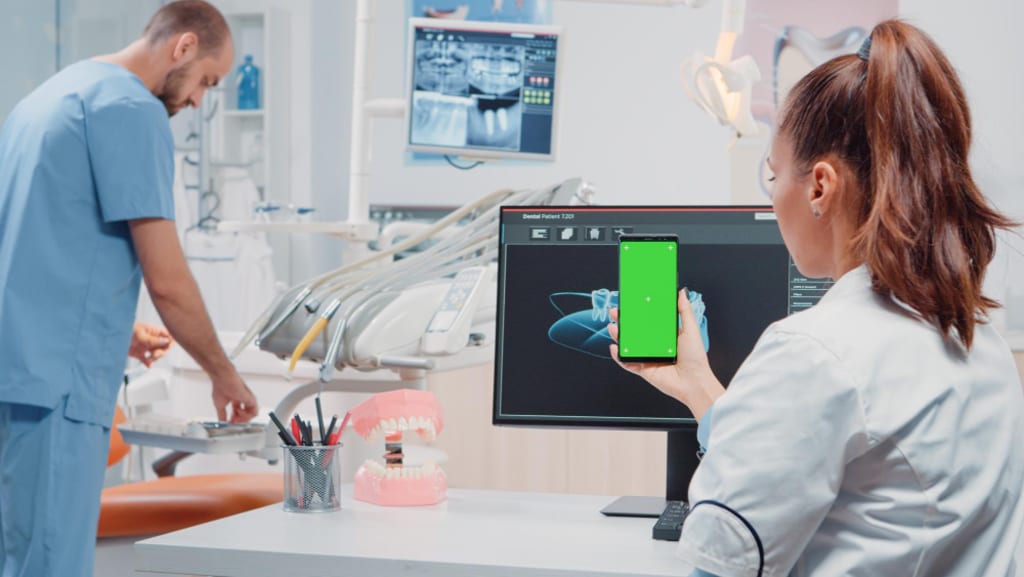
In healthcare, even a minor error can have serious consequences for patients and providers alike. Medical device integration with Electronic Health Records (EHRs) has emerged as a powerful solution to minimize these errors. By seamlessly connecting devices to EHRs, healthcare providers can ensure accurate, real-time data is captured and utilized, improving patient outcomes and reducing administrative burdens. Let’s explore how integrating medical devices with EHRs helps reduce errors, the challenges involved, and what healthcare providers need to know.
Why Medical Device-EHR Integration Matters
Medical devices — from bedside monitors to infusion pumps and ventilators — are indispensable tools in patient care. They generate vast amounts of real-time data that are essential for treatment decisions. However, manually transferring this data into EHRs can lead to transcription errors, data loss, and misinterpretation. Medical device integration automates data entry, enabling healthcare teams to focus on providing high-quality care and reducing the risk of errors.
Find the details of EHR and EMR integration services.
Key Benefits of Medical Device-EHR Integration
1. Eliminates Manual Data Entry Errors
Manual data entry is not only time-consuming but also prone to errors. Nurses and healthcare providers often face heavy workloads, increasing the risk of data entry mistakes. By automatically transferring data from medical devices to EHRs, integration reduces human error, ensuring accurate and consistent records.
2. Enables Real-Time Data Access
Real-time data access is critical in making timely treatment decisions, particularly in emergency and critical care settings. Integrated systems ensure that vital signs, lab results, and other critical data are instantly available in the EHR, allowing clinicians to respond quickly and effectively.
3. Improves Medication and Treatment Accuracy
Automated integration reduces discrepancies that may arise from mismatched or incomplete data entries, helping providers adhere to proper dosing and treatment protocols. For instance, connected infusion pumps can transmit dosage information directly into the EHR, minimizing the risk of medication errors and enhancing patient safety.
4. Enhances Workflow Efficiency
With device data automatically captured, healthcare providers can avoid repetitive documentation tasks, reducing burnout and allowing them more time to interact with patients. This efficiency helps minimize fatigue-related errors and supports better clinical decision-making.
Types of Medical Devices Often Integrated with EHRs
Understanding the variety of medical devices that can integrate with EHRs highlights the diverse opportunities for reducing errors across different clinical workflows:
Vital Signs Monitors: Devices like blood pressure monitors and pulse oximeters provide real-time data that can be directly transmitted to EHRs, ensuring vital information is always current.
Infusion Pumps: Integration of infusion pumps with EHRs helps prevent incorrect dosing and provides an audit trail of administered medications.
Ventilators: Ventilator data integration ensures that respiratory metrics are accurately documented, reducing risks associated with ventilation adjustments.
Electrocardiograms (ECG): ECG data directly integrated into EHRs ensures accurate cardiovascular monitoring, particularly beneficial in cardiac care units.
Challenges of Medical Device-EHR Integration
Despite the clear benefits, integrating medical devices with EHRs can present some challenges:
1. Compatibility and Interoperability Issues
Medical devices and EHR systems come from various manufacturers, each with its own protocols and data standards. Ensuring compatibility requires extensive testing, and interoperability remains a key challenge as not all systems are designed to communicate seamlessly.
2. Data Privacy and Security
Transferring sensitive data between devices and EHRs requires stringent security protocols to protect against cyber threats. As data flows between multiple systems, maintaining compliance with standards like HIPAA is essential for safeguarding patient information.
3. Implementation and Maintenance Costs
Integrating medical devices into EHRs requires a significant initial investment in software, hardware, and training. Additionally, ongoing maintenance costs can add up, posing budgetary challenges for healthcare facilities, particularly smaller providers.
4. Staff Training and Adaptation
Successful integration requires healthcare providers to be trained in using these integrated systems. Implementing new workflows and protocols can be challenging and requires commitment from both leadership and frontline staff to fully realize the benefits of integration.
Best Practices for Reducing Errors with Medical Device-EHR Integration
Choose Interoperable Systems: Prioritize selecting medical devices and EHRs that support interoperability standards such as HL7 and FHIR, which facilitate seamless data exchange across systems.
Invest in Robust Cybersecurity: Protect patient data by implementing encryption, access controls, and regular system updates to mitigate risks of cyber threats.
Provide Comprehensive Training: Educate staff on the use of integrated devices and systems. A well-trained team is essential for reducing errors and maximizing the value of device integration.
Conduct Routine Audits: Regularly review the data flow between medical devices and EHRs to identify and resolve discrepancies, ensuring the accuracy of patient records.
Future Trends: AI and Advanced Analytics in Device-EHR Integration
As medical devices continue to evolve, the integration process will increasingly incorporate AI and machine learning to further reduce errors. AI algorithms can monitor incoming data from connected devices in real time, flagging anomalies and predicting potential adverse events before they happen. Advanced analytics will play a vital role in transforming device data into actionable insights, enabling proactive care and helping clinicians make more accurate decisions.
Conclusion: Embracing Integration for Safer, Efficient Healthcare
The integration of medical devices with EHRs offers a transformative approach to reducing errors in healthcare. By minimizing manual data entry, enabling real-time access to patient information, and supporting treatment accuracy, medical device-EHR integration fosters safer, more efficient, and financially sustainable healthcare practices. Although challenges remain, the benefits to patient care and organizational efficiency make integration a worthwhile investment in the healthcare industry’s future.
Explore more details on A Guide To Medical Device Software Development.
About the Creator
Larisa Albanians
Hey, a healthcare technology solutions provider at emorphis, that is helping organizations to deliver better healthcare solutions.
Keep reading
More stories from Larisa Albanians and writers in Writers and other communities.
Care Management Software Development for Long-Term Care and Senior Living Facilities
As the global population ages and the demand for long-term care and senior living services grows, healthcare providers are increasingly relying on technology to improve care delivery and operational efficiency. One of the most impactful technological innovations in this space is Care Management Software (CMS). For long-term care (LTC) and senior living facilities, these software solutions are essential for managing the complex needs of residents, coordinating care teams, and ensuring regulatory compliance.
By Larisa Albaniansabout a year ago in Writers
How 10 Minutes of Morning Yoga Changed My Energy Levels
When I Realized Something Was Wrong I’m not lazy. I like staying active. But my routine was inconsistent. Some days I would try a long workout, get sore, then quit for a week. Other days, I did nothing at all.
By Theworkouthaven.com6 days ago in Writers




Comments
There are no comments for this story
Be the first to respond and start the conversation.