
Nuclear Explosion
How to Survive Nuclear Strike
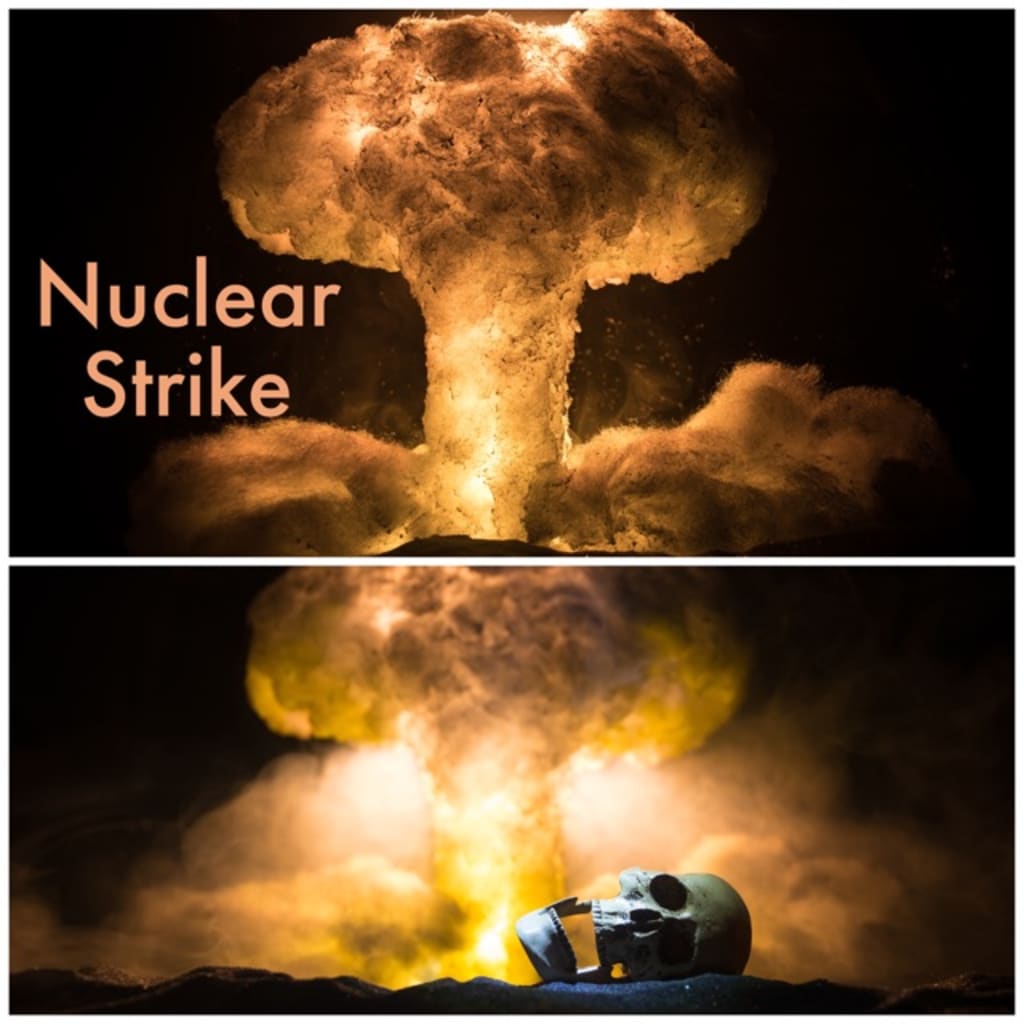
A nuclear reactor is comprised of a number of fundamental components, the most notable of which are the fuel elements or rods, control rods, and coolant/moderator, in addition to the vessel itself, which is responsible for housing all of the other components. The components of the fuel contain the fissile material, which is typically either uranium or plutonium. This fissile material is then used as the fuel to generate nuclear energy by undergoing the fission process. The core of the reactor is where all of the nuclear fuel is stored, and it is also the location where the heat is generated. It possesses uranium with a modest enrichment level, in addition to control systems and structural materials. The following is a ranking of the nuclear arsenals of countries, from largest to smallest: Russia has 5,977 active nuclear weapons.The United States of America (5,428), China has 350, whereas France has 290. The United Kingdom (225), Pakistan (165), India (160), Israel (90), and North Korea (90).
Additionally, find immediate shelter indoors, preferably in a basement or a building made of concrete. Maintain your cool and seek shelter for at least the next 48 hours, or until further orders are issued officially. However, even the area in your house that is considered to be the safest does not provide adequate protection. It will be required to seal all windows and other apertures in the room, as well as to thicken the outside walls and the floor above you, in order to give the best possible protection against the infiltration of radiation. This will allow for the provision of the strongest possible protection. In the event of a nuclear attack, it will not be safe to walk outdoors in search of food; rather, you should seek refuge for at least forty-eight hours, and ideally for a longer period of time.
Moreover, in the event of a nuclear explosion at your home, what kinds of supplies should you have on hand? Keeping a supply of food that does not need to be refrigerated or frozen. You can either keep non-perishable foods or use them to sustain yourself after an assault for a number of years. Make sure you are prepared for any disaster by stocking up on non-perishable items and supplies well in advance.
Check if you have an emergency supplies kit for places that you travel and where you might need to stay for at least 24 hours. In the case that there is a loss of power, important materials that should be available are bottled water, pre-packaged snacks, emergency medications, a hand-crank or battery-powered radio that can deliver information, a torch and spare batteries for important electronic devices. To protect yourself and others from radiation, you should wash your skin and hair, cover your mouth and nose, remove any clothing that may be contaminated, and take off any jewellery.
The following are some of the ways in which people could be put at risk of radioactive contamination during an emergency: via taking in radioactive substances through one's lungs (inhalation). Also, through direct radiation exposure from radioactive materials carried in the air and deposited on surfaces through ingestion of radioactively contaminated food and water through eating and drinking radioactively contaminated food and water.
What kinds of symptoms or signs are associated with energy from nuclear reactors, and how do these have an effect on people? Nausea and vomiting are typically the earliest symptoms of a radiation-related sickness. It is possible to suffer bleeding of the gums, nose, or rectum all on its own. Bloody diarrhoea is caused by damage to the cells that line the digestive tract (mouth, oesophagus, belly, intestines, and anus) also known as the mucosa. The signs of excessive radiation exposure include sloughing skin, loss of hair, and sores in the mouth. Loss of consciousness, severe fatigue, vertigo, and headaches are all symptoms that point to the possibility of a neurological damage.
Finally, nuclear radiation is not a laughing matter. When dealing with a threat that poses possible risks to the environment, preparedness is the most important component in taking preventative actions. In the event of an impending tragedy, action must be taken. This is written to keep us on our toes and safeguard us. The question is, what steps should we take to defend and secure ourselves, our families, and our communities when this happens?
Written by Tolulope Ibegbunam
About the Creator
Keep reading
More stories from writers in Writers and other communities.
Are Retail Expansion Decisions Failing Because You’re Ignoring Location Intelligence?
Retail expansion often looks straightforward on paper. A promising city, visible footfall, familiar competitors—everything seems right. Yet many stores struggle within months, while others succeed just a few streets away.
By Retail Gatorsabout 14 hours ago in Writers
Where's the Glory?
In breaking news, rehabilitated Republican Senator Johnnie Johnson (Pronouns: HE, HIM, HIS) called a press conference from the Men’s room of the New Orleans Louis Armstrong International Airport, Concourse B, across from the Ignatius Reilly’s Lucky Dog stand. The Senator had just returned from a sexual reorientation rehabilitation program in Memphis, TN after being publically disgraced at a Buckee’s Truckstop restroom soliciting sex from an undercover cop three months ago. He is a founding member of the Reformed Christians for Christ, a conservative, pro-family and ex-gay advocacy group. In the spirit of being reborn, Senator Johnson invited reporters to marvel at his plans for a major remodeling of airport bathrooms.
By Cathy Schieffelin5 days ago in Humor
Center Stage with Gina C.
*** I'm keen to republish the interviews I did for my series with Vocal creators. It's been a few years and I thought it might be nice to revisit these wonderful conversations. I'll be releasing them one at a time for a few weeks/months.
By Heather Hubler5 days ago in Interview



Comments
There are no comments for this story
Be the first to respond and start the conversation.