
Mr. Price’s Dinner Table
How exposure to all things Cajun impacted my writing.

Mr. Price’s Dinner Table
D. A. Ratliff
As those of you who have followed me know, I am a Southerner and quite proud of my roots. Growing up in South Carolina, I was fortunate to have parents who saw no color differences in their fellow humans. People from all levels of society and cultures visited our home.
My memories of my childhood remain part of me today. The mimosa tree that I played under in our yard. Houses where blue paint covered all openings to ward off evil spirits. The dime bags of boiled peanuts sold on the street. In the swealtering summer, the ‘air-conditioned tree’ at the Herlong Orchard peach stand was twenty degrees cooler in its shade, and the water stored in a metal canteen was ice cold. While there was a horrible undercurrent of fear and anger in this place I love, there was also a goodness of soul. Family, friends, food, and good times existed as well.
My father worked at the Savannah River Plant in Aiken, South Carolina, part of the Dupont Corporation and a manufacturer of hydrogen bombs. With workers from all over the world employed there, I met people from everywhere as a child. One of my father’s best friends was a bear of a man, a Navaho by the name of Jess Brown. His wife Athea, a small, plump woman who might have been a better cook than my grandmothers, was like an aunt to me. I am about one-sixteenth Cherokee, and Jess and Athea gave me a sense of what being Native American meant—good, kind, hard-working, gentle people.
Yet, one of my parents' friends impacted my life more than I realized. Mr. Price. Honestly, I am not sure what his first name was. My parents never called him anything but Mr. Price. He was older, a slight man but regal in bearing, with snow-white hair and a deep Southern accent that held a lilt of his mother’s heritage. She was a Cajun from southwest Louisiana. His reminisces about his mother’s upbringing fueled my love of Cajun culture.
In those days in the South, people referred to Mr. Price, an unmarried man of means and patron of the arts, as a ‘bachelor.’ Anyone who has read John Berendt's Midnight in the Garden of Good and Evil will recognize what calling Mr. Price a bachelor meant. Polite society at the time did not mention the word homosexual, as that wouldn’t have been gracious and respectful.
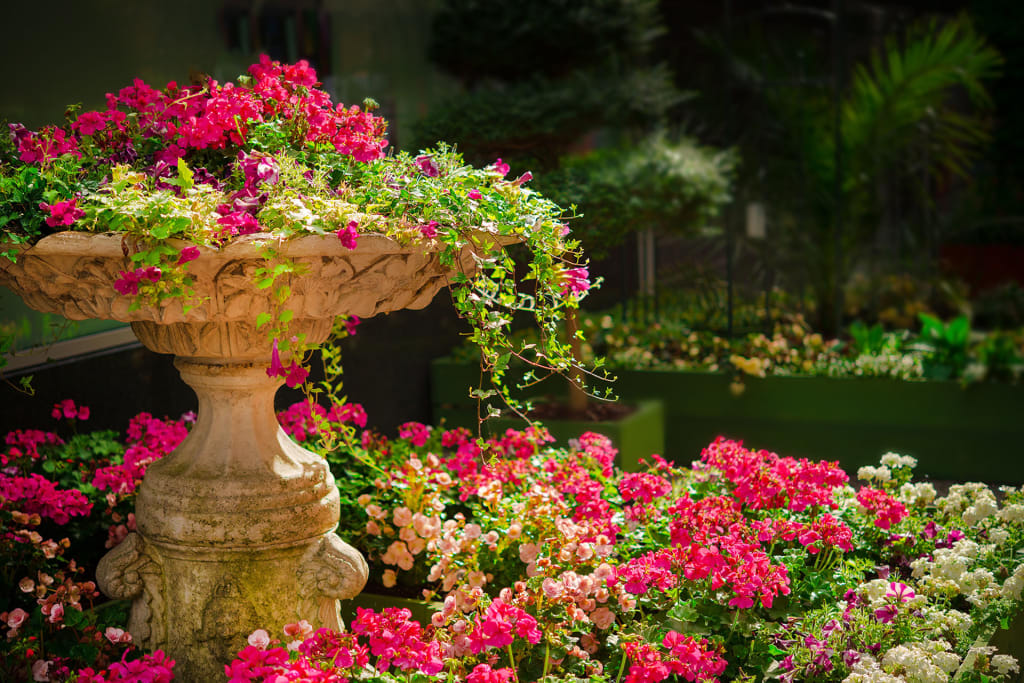
We often had Sunday dinner at Mr. Price’s sizeable two-story house near downtown Aiken. I remember the wrap-around veranda, opulent, crimson-flocked wallpaper in the parlor, and deep green walls in the dining room. If the weather cooperated, we often ate on the back terrace surrounded by a lush, colorful garden.
But dinner? It was not what you might expect from a South Carolina gentleman. While we might occasionally have shrimp and grits or barbequed chicken, we often feasted on shrimp etouffee or jambalaya, dishes Mr. Price’s mother made when he was small. I first tasted chicory coffee at his dinner table when I was ten.
I sat mesmerized as he told us of his mother’s home in Lake Charles and his grandparents’ home in the country nearby. He would spin tales of fun in the bayou that hooked me for life. While I loved the South Carolina low country, my heart drifted toward Cajun Louisiana. His memories stirred emotions and visions in me that imprinted on my soul.
When I began to write fiction again several years ago, I knew I would set my stories in the South. While I have never sugarcoated the area’s problems, which are no different from any other part of the United States, there is an ambiance and tone about the South, especially the southern coast, that is alluring. Yet, when I began to write, it was in Louisiana, New Orleans, to be specific, where I set my first novel.
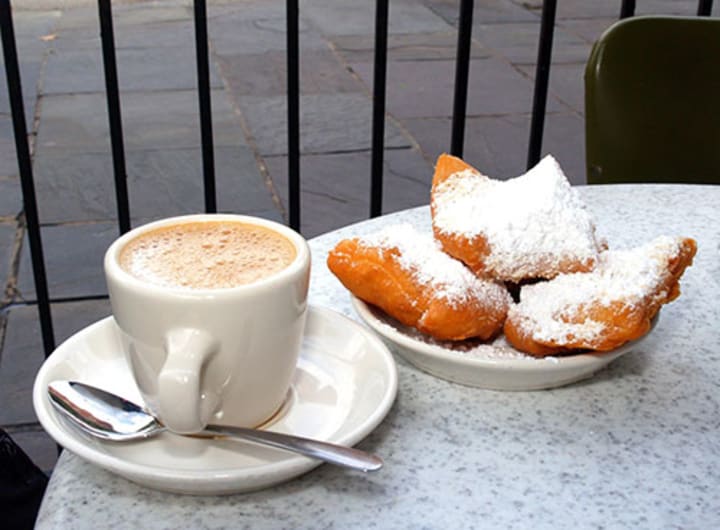
Having visited New Orleans a few times as an adult, I discovered that my writing muse was a resident of the French Quarter. New Orleans, the bayou, the jazz, the beignets, and the sultry weather are all characters and ones I find creeping into my writing.
On a recent Sunday, I watched a rerun of one of Anthony Bourdain’s final Parts Unknown episodes on CNN. We lost a unique individual with Bourdain’s death. A notable essayist on life and culture and how food is intrinsic to our existence, not only for sustenance but for the soul. This show centered on Cajun Mardi Gras, celebrated in Southwest Louisiana.
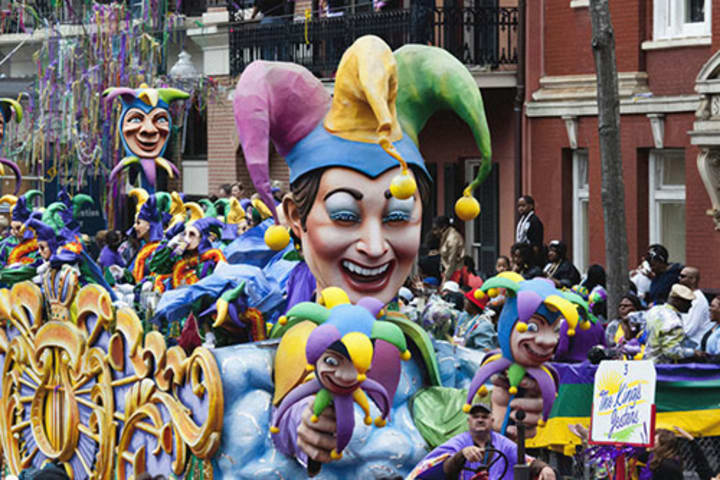
We know Mardi Gras as a glitzy party of drunken revelry, resplendent with cheap shiny beads, elaborate and gaudy costumes, over-the-top parades, and fun. Bourdain showed us a Mardi Gras celebration away from the French Quarter, which few outsiders know occurs. It is equally gaudy and drunken but steeped in tradition and meaning.
Despite the commercial decadence of the more popular celebration in the French Quarter or the more traditional decadence of Cajun Mardi Gras, the spirit of the Cajun people, their passion for life, food, and even voodoo fuel the imagination and the soul.
As I developed a story for a romance anthology, I struggled with the setting until my muse dragged me into a jazz bar in the Quarter and reminded me that I was a mystery writer and knew where my story belonged. The story became a romance between a television reporter and a detective brought together by a murderer. The location, you ask—the French Quarter.
Something about the tenor and vibe of that city touches me—it is a mysterious city in a mysterious state, unlike any other part of our country. It is a place steeped in tradition and unique, like its chronicler, Anthony Bourdain.
Writing is about providing readers with an entertaining story and a satisfactory emotional experience. For that experience to transfer to the reader, the author must feel passion for their story, the characters, and their trials as they seek their goals and for where the story unfolds. It is important to remember that locations unique to the writer can add a depth of emotion to their story.
As I get closer to publishing my first novel, Crescent City Lies, a mystery set in New Orleans, I realize that the Cajun culture sparked so many years ago at Mr. Price’s dinner table remains embedded within me.
About the Creator
D. A. Ratliff
A Southerner with saltwater in her veins, Deborah lives in the Florida sun and writes murder mysteries. She is published in several anthologies and her first novel, Crescent City Lies, is scheduled for release in 2026.
Keep reading
More stories from D. A. Ratliff and writers in Writers and other communities.
Author, Read Thyself
Author, Read Thyself D. A. Ratliff I grew up in the South, where “little white lies” were uttered daily. The “My, you look lovely today—love that color on you.” Or “I swear, that’s the best shrimp and grits I ever ate.” Or my favorite, “It’s so good to see you.”
By D. A. Ratliff2 years ago in Writers



Comments (1)
What a great mini autobiography. I was born and raised in Pennsylvania and had to move to Louisiana and have been to N'awlins many times and l like etouffee and gumbo with crawfish.