
Mobile Apps for Mental Health: Development Best Practices
healthcare app development

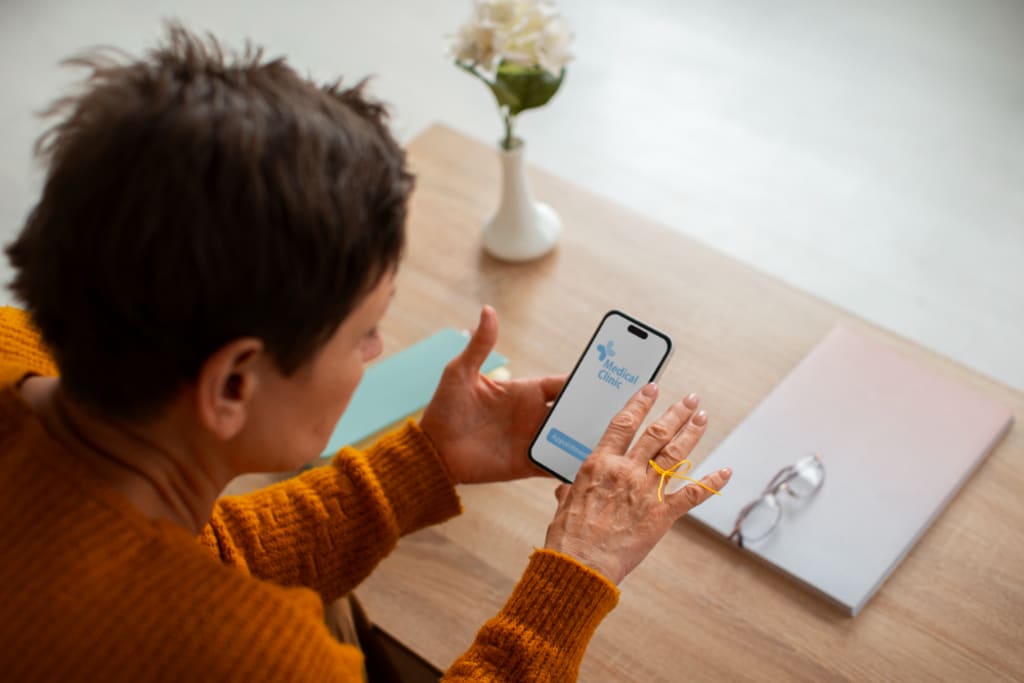
Mental health has become a global priority, with increasing awareness and demand for accessible solutions. Mobile apps have emerged as powerful tools for delivering mental health support, offering users convenience, anonymity, and round-the-clock assistance. However, building effective and reliable mental healthcare apps requires careful planning, innovation, and adherence to best practices. In this blog, we’ll explore the essential principles of healthcare app development for mental health, ensuring that these apps provide meaningful support to users while meeting industry standards.
Why Mental Healthcare Apps Matter
Mental health challenges affect millions worldwide. Unfortunately, barriers such as stigma, cost, and limited access to mental health professionals often prevent individuals from seeking help. Mental healthcare apps address these challenges by:
Offering self-help tools and resources.
Providing immediate access to therapists or counselors via telehealth.
Delivering therapeutic interventions like Cognitive Behavioral Therapy (CBT).
Supporting users with mindfulness and relaxation exercises.
These apps not only empower users but also help healthcare providers manage patient care more effectively.
Best Practices for Developing Mental Healthcare Apps
1. Prioritize User-Centric Design
Mental healthcare apps should focus on user engagement and ease of use. A cluttered or confusing interface can discourage users from seeking help. To ensure a positive user experience:
Use calming colors and intuitive navigation.
Incorporate accessibility features for users with disabilities.
Conduct user testing to identify pain points and refine the design.
Key takeaway: A well-designed app enhances user trust and encourages consistent usage.
2. Ensure Data Privacy and Security
Mental health apps handle sensitive personal information, making data security a critical aspect of healthcare app development. To build user confidence:
Implement strong encryption for data storage and transmission.
Follow regulatory standards like HIPAA (Health Insurance Portability and Accountability Act) or GDPR (General Data Protection Regulation).
Allow users to control their data, including permissions and deletions.
Key takeaway: Protecting user data ensures compliance and fosters trust.
3. Integrate Evidence-Based Therapies
Mental healthcare apps must rely on scientifically validated approaches to provide meaningful support. Common methodologies include:
Cognitive Behavioral Therapy (CBT) modules.
Guided meditation and mindfulness exercises.
Stress and anxiety tracking tools.
Collaborating with mental health professionals during the development process ensures the app’s interventions are credible and effective.
Key takeaway: Evidence-based content enhances the app’s credibility and outcomes.
4. Incorporate AI and Personalization
Artificial intelligence can revolutionize mental healthcare apps by offering personalized support and real-time assistance. Features like:
Chatbots: Provide immediate responses to user queries.
AI Algorithms: Analyze user behavior to deliver tailored content.
Mood Trackers: Offer insights into emotional patterns and suggest coping strategies.
Personalization ensures that users feel understood and supported.
Key takeaway: AI-driven features create a more engaging and effective user experience.
5. Enable Seamless Integration with Wearables
Wearable devices like smartwatches can enhance the functionality of mental healthcare apps by providing real-time data on stress levels, heart rate, and sleep patterns. Integrating this data into the app allows users to:
Monitor their physical and mental well-being.
Receive timely alerts for irregularities.
Track progress over time.
Key takeaway: Integration with wearables adds value and improves user engagement.
6. Offer Multi-Channel Support
Users may need support through various channels. To meet this demand, mental healthcare apps should:
Include telehealth features for connecting with therapists or counselors.
Provide in-app messaging or chat for immediate help.
Offer audio and video content for self-guided therapy sessions.
Key takeaway: Multi-channel support makes the app versatile and accessible.
7. Focus on Scalability and Performance
Mental healthcare apps may experience high traffic during peak times, especially during global crises. Ensure the app can handle:
Increased user demand without crashing.
Seamless updates and feature additions.
Using scalable architecture and rigorous performance testing during healthcare app development is crucial to long-term success.
Key takeaway: A reliable app retains users and builds credibility.
Success Stories in Mental Healthcare App Development
Calm: Focuses on mindfulness and stress reduction with guided meditations and sleep aids.
BetterHelp: Connects users with licensed therapists via video and messaging.
Happify: Offers gamified activities based on positive psychology principles to boost mental well-being.
These apps exemplify the best practices discussed above, delivering innovative solutions that address diverse mental health needs.
Challenges in Mental Healthcare App Development
While the opportunities are immense, developers face challenges like:
Balancing user engagement with therapeutic rigor.
Meeting diverse cultural and linguistic needs.
Ensuring compliance with global regulations.
Addressing these challenges requires collaboration with healthcare professionals, user feedback, and a commitment to ethical innovation.
Final Thoughts
Mental healthcare apps are transforming how individuals access support and manage their well-being. By following best practices in healthcare app development, developers can create impactful, secure, and user-friendly solutions that empower users and improve outcomes.
As mental health awareness continues to grow, the demand for effective apps will only increase. Are you ready to create the next breakthrough in mental healthcare? Let’s collaborate to bring your vision to life!
About the Creator
Larisa Albanians
Hey, a healthcare technology solutions provider at emorphis, that is helping organizations to deliver better healthcare solutions.
Keep reading
More stories from Larisa Albanians and writers in Writers and other communities.
How Predictive Analytics is Shaping the Next Wave of Chronic Care Management
Managing chronic diseases has always been a complex challenge for healthcare providers, requiring continuous monitoring, timely interventions, and personalized care plans. But what if we could anticipate complications before they occur? Predictive analytics, a powerful tool in modern healthcare, is transforming chronic care management by leveraging data to improve patient outcomes and reduce costs.
By Larisa Albaniansabout a year ago in Writers
Festive Lighting Ideas: How to use Himalayan Salt Lamps to Turn your Place into a Radiosphere.
The holiday season is all about warmth, glow, and making the place a home to friends and family. Even though traditional Christmas lights and candles were always components of the festive decoration, Himalayan salt lamps are a beautiful design and have health advantages. Their jovial, amber illumination foreshadows an uplift to any area on the spot and sets them as an excellent location for your holiday lights. In this article, it is explained how you can transform your house with the help of pink salt lamps during your holiday, and practical advice is also given regarding how you can incorporate natural salt lamps in your holiday home.
By Mubarik Ahmad 5 days ago in Writers




Comments
There are no comments for this story
Be the first to respond and start the conversation.