
Mental Health Awareness
The Power of Positive Thinking


Positive thinking is more than just a fleeting feeling of happiness; it's a powerful tool that can transform your life. Embracing a positive mindset can lead to improved mental health, better physical well-being, and increased resilience in the face of adversity. Here, we'll explore techniques for cultivating positive thinking and the benefits it can bring, illustrated by real-life examples.
1. Understanding Positive Thinking
Positive thinking involves focusing on the good in any given situation. It doesn't mean ignoring life's challenges but rather approaching them with a constructive mindset. This outlook can help you manage stress, improve relationships, and boost your overall happiness.
Real-life Example: Emily, a 29-year-old teacher, used to focus on the negatives, especially when dealing with challenging students. She often felt overwhelmed and frustrated. After attending a workshop on positive thinking, Emily started reframing her thoughts. Instead of seeing a difficult student as a problem, she viewed it as an opportunity to improve her teaching skills. This shift in perspective made her job more enjoyable and reduced her stress levels.
2. Techniques for Cultivating Positive Thinking
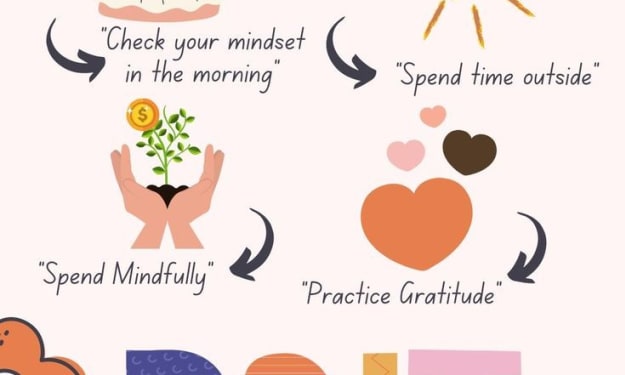
a. Practice Gratitude
Gratitude is a powerful way to shift your focus from what's wrong to what's right in your life. Regularly expressing gratitude can enhance your mood and overall outlook.
Real-life Example: John, a 40-year-old accountant, began keeping a gratitude journal after reading about its benefits. Every night, he wrote down three things he was grateful for. This practice helped John notice and appreciate the positive aspects of his life, which he had previously overlooked. Over time, his overall mood improved, and he felt more content.
b. Reframe Negative Thoughts
Cognitive reframing involves changing the way you think about a situation to view it more positively. This technique can help reduce stress and improve your emotional well-being.
Real-life Example: Laura, a 35-year-old marketing manager, faced a setback when her team’s project was delayed. Instead of dwelling on the negative, she reframed her thoughts to focus on what her team could learn from the experience and how they could improve in the future. This positive approach not only boosted her morale but also inspired her team to stay motivated.
c. Use Positive Affirmations
Positive affirmations are statements that you repeat to yourself to encourage a positive mindset. They can help you overcome negative thoughts and boost your self-esteem.
Real-life Example: David, a 25-year-old college student, struggled with self-doubt during exams. He started using affirmations like “I am capable and prepared” and “I can handle this challenge” before each test. This practice helped David reduce his anxiety and perform better academically.
d. Surround Yourself with Positive People
The people you spend time with can influence your mindset. Surrounding yourself with positive, supportive individuals can enhance your own positivity.
Real-life Example:Sarah, a 50-year-old entrepreneur, noticed that her negativity often stemmed from the pessimistic attitudes of some colleagues. She made a conscious effort to spend more time with positive, uplifting friends and mentors. This change in her social environment significantly improved her outlook on life and her business.
e. Engage in Physical Activity
Exercise releases endorphins, which are natural mood lifters. Regular physical activity can help you feel more positive and energetic.
Real-life Example: Michael, a 45-year-old engineer, experienced chronic stress due to his demanding job. He started jogging every morning, which helped him release tension and clear his mind. The physical activity boosted his mood and made him more resilient to stress.
3. Benefits of Positive Thinking
a. Improved Mental Health
Positive thinking can reduce symptoms of depression and anxiety. It helps you cope better with stress and promotes a more balanced emotional state.
Real-life Example: Anna, a 30-year-old nurse, struggled with anxiety due to her high-pressure job. By practicing positive thinking techniques like gratitude and reframing, she noticed a significant decrease in her anxiety levels and an overall improvement in her mental health.
b. Enhanced Physical Health
A positive mindset can lead to better physical health. Studies have shown that optimistic individuals tend to have lower blood pressure, better cardiovascular health, and a stronger immune system.
Real-life Example: Tom, a 55-year-old retired athlete, maintained a positive outlook despite his chronic arthritis. He focused on what he could do rather than what he couldn’t. His positive attitude helped him manage pain better and stay active, which improved his overall health.
c. Increased Resilience
Positive thinking can make you more resilient, allowing you to bounce back from setbacks more quickly and effectively.
Real-life Example: Emily, a 22-year-old recent graduate, faced multiple rejections in her job search. Instead of giving up, she maintained a positive outlook, viewing each rejection as a step closer to finding the right opportunity. Her resilience paid off when she eventually landed her dream job.
d. Better Relationships
A positive attitude can improve your relationships. People are naturally drawn to positive individuals, leading to more meaningful and supportive connections.
Real-life Example: James, a 37-year-old artist, used to have strained relationships with his family due to his pessimistic outlook. By adopting positive thinking practices, he became more appreciative and supportive, which improved his relationships and created a more harmonious family environment.
Conclusion
Positive thinking is a powerful tool that can transform your life. By practicing gratitude, reframing negative thoughts, using affirmations, surrounding yourself with positive people, and engaging in physical activity, you can cultivate a positive mindset. The benefits of positive thinking are profound, including improved mental and physical health, increased resilience, and better relationships.
Real-life examples like Emily’s reframed thoughts, John’s gratitude journal, and Laura’s positive leadership demonstrate the transformative power of a positive mindset. Embrace positive thinking techniques in your daily life and witness how they can lead to a healthier, happier, and more fulfilling existence.
About the Creator
Keep reading
More stories from Anjali Nagar and writers in Writers and other communities.
Mental Health Awareness
How to Overcome Social Anxiety: Tips from Therapists Social anxiety can feel like a crippling barrier that prevents you from living your life to the fullest. The fear of judgment, rejection, or embarrassment can make social interactions daunting. However, overcoming social anxiety is possible with the right strategies and support. Here are tips from therapists, along with real-life examples, to inspire and guide you on your journey to overcoming social anxiety.
By Anjali Nagar2 years ago in Writers
Analyse this!
Wanna know how to improve your writing? There is a simple, quick, tried and tested method. Tried and tested by who? By me, as it happens, and I can guarantee that it will work for you. I know what I am talking about. Not always, of course, but certainly in this case.
By Raymond G. Taylor4 days ago in Writers
11 Top Stories in One Year in Vocal Media
Hi readers, I am Seema Patel. Let me share a bit about my writing journey. I write for many platforms. In Medium, I have a large portfolio of work with close to 3,600 articles. I also have an Amazon KDP profile with 14 book titles so far. Many books have decent rankings.
By Seema Patel4 days ago in Writers
Mismatch Challenge Winners
Blending genres isn’t about stacking elements side by side. It’s about what happens when two sets of expectations refuse to cooperate. The strongest entries in the Mismatch Challenge understood that tension and leaned into it. Rather than smoothing the edges, these stories let their chosen genres complicate one another, creating friction that carried through voice, structure, and consequence.
By Vocal Curation Teama day ago in Resources



Comments
There are no comments for this story
Be the first to respond and start the conversation.