
Light Vs Dark Roast Coffee: What's The Difference?
Light Vs Dark Roast Coffee
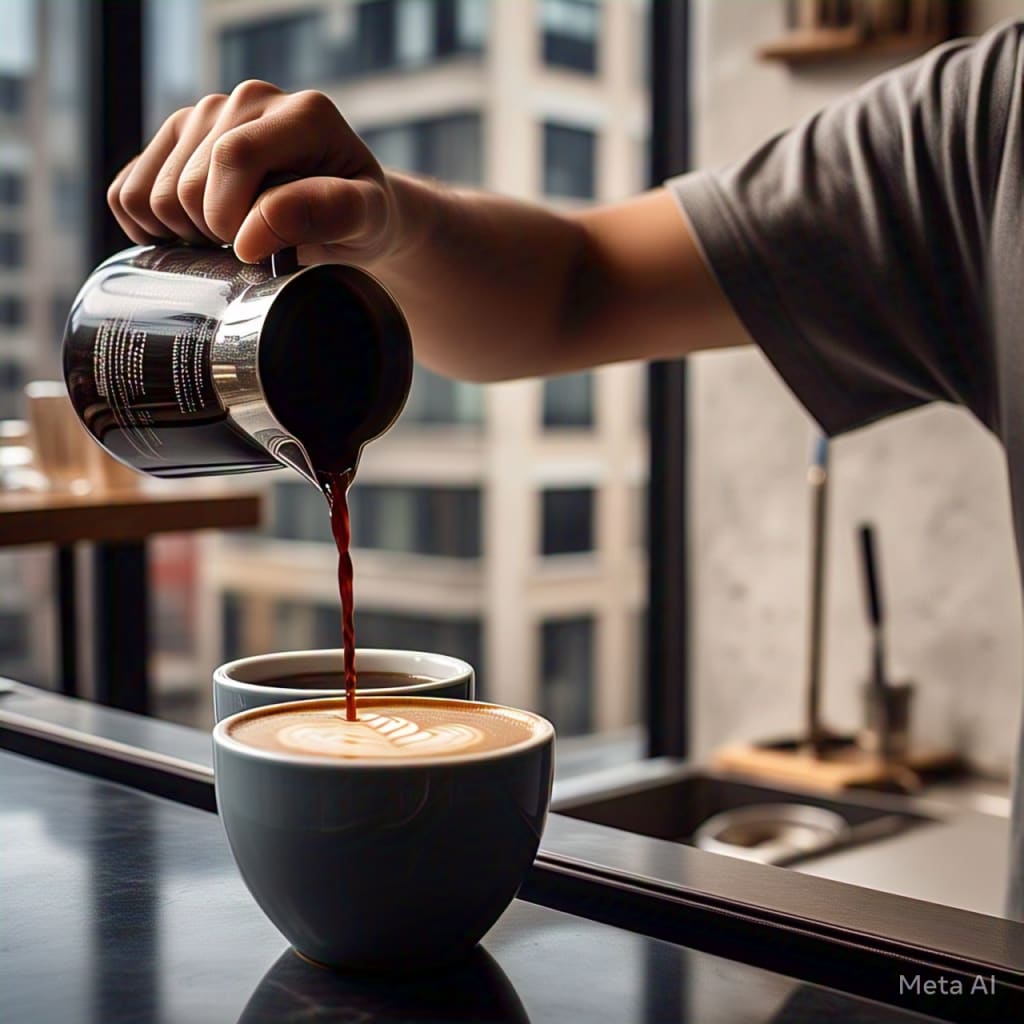
Of all the debates that coffee enthusiasts have when selecting the ideal cup of coffee, perhaps one of the most frequent arguments is between light and dark roasts. While some are convinced by the dark, robust taste of the dark roast, others like to stay with the brilliant, variegated flavor of the light roast. But what divides these two? Is it simply taste, or are there other variables at stake? Learning about the differences between light and dark roast coffee extends beyond personal taste, it's about learning their distinct roast time, caffeine content, color, smell, acidity, and taste.
Whether you are an occasional drinker or a die-hard coffee enthusiast, whether you're buying for yourself or someone else, knowing the impact of roast levels on your coffee can raise your coffee game. Here on this blog, we'll cover the most distinct differences between dark and light roasts to allow you to decide which one complements your palate most perfectly. So, stay with us here and keep reading below.
Top 6 Differences Between Light Vs Dark Roast Coffee
Coffee lovers throughout the world are constantly put up against the tricky choice of opting for a light roast or going dark. Whereas personal taste is very much the deciding factor, knowing the real differences between these two ubiquitous kinds of coffee will enhance your coffee experience and allow you to select the right roast for your taste and lifestyle. From the time of roasting to the taste, from caffeine level to scent, several factors distinguish these two. Let's explore the wonderful world of coffee roasts and find out what makes light and dark roasts so different. So, keep an eye on this page to reveal the notion.
1. Roast Time
The clearest distinction between light and dark roast coffee is the length of time the beans are roasted. Light roast beans are roasted briefly, only until the first "crack" or popping sound that indicates the beans have attained an internal temperature of around 356°F to 401°F. This shorter roasting period enables the beans to preserve a lot of their original traits, such as their distinct origin flavor, whether fruit, floral, or earthy.
However, dark roast coffee is roasted much longer at high temperatures of 465°F or more. This longer roast time dramatically alters the makeup of the beans, diminishing their inherent flavors and evolving a more consistent taste profile. The sugars in the beans start to caramelize, producing a richer, more intense flavor that some individuals equate with having a "classic" coffee flavor. The longer roasting process also removes more of the moisture, giving dark roast beans a more brittle texture.
2. Flavor
Flavor is one of the most noticeable differences when sipping a cup of light roast versus dark roast coffee. Because light roast beans are not roasted as long, they tend to maintain more of their original flavor characteristics. That's to say you'll frequently experience more subtle notes, for instance, citrus, berry, floral, or herbal flavors, depending on where the beans are from. Light roast is especially popular among those who enjoy the distinct terroir of coffee-growing areas, just as wine enthusiasts enjoy the various flavor profiles depending on grape type and region.
Dark roast coffee, on the other hand, tends toward the darker side. The longer roasting time creates stronger, frequently smoky, chocolaty, or even bitter-tasting flavors. Dark roast coffee is often liked by many people due to its full-bodied depth and the sense of familiarity in its robust taste. The advanced chemical processes involved during the roasting process overcome the natural properties of the original bean, causing the roast flavor to become overriding.
3. Caffeine Content
One of the most contentious points of light vs dark roast coffee is caffeine level. It's a general misconception that dark roast coffee contains more caffeine as it tastes stronger. But the reality is quite counterintuitive. Caffeine level is slightly greater in light roast beans when compared by volume because lesser roasting translates into lesser loss of mass. Because roasting makes the beans puff out and become lighter, a scoop of light roast coffee has more bean mass and, therefore, more caffeine than an equivalent scoop of dark roast.
But if you're measuring in grams or ounces, the weight of the caffeine between light and dark roasts is virtually the same. The moral is that just because the flavor is bolder in a dark roast doesn't necessarily mean that it packs a bigger caffeine punch. If you're looking for that little extra morning kick, a light roast could give you the slightest advantage, especially if you use volume measurements to make your coffee. For this, you can try Speciality Coffee in Abu Dhabi to intake balanced caffeine and boost your freshness.
4. Color
As the names indicate, one of the most visually obvious distinctions between light and dark roast coffee is their color. Light roasted beans are a lighter brown and may have no surface oils, as the brief roasting time doesn't cause the oils to surface. They look dry, and the beans may be denser and harder from holding more of their internal structure.
Dark roast beans, on the other hand, are dark brown or even close to black. Their surfaces are generally glossy with oil due to the extended roasting period that relocates the oils from inside the bean to the surface. This deep color and shiny appearance are commonly linked to espresso beans, though light and dark roasts both may be utilized to produce espresso or drip coffee, based on the preferred flavor.
5. Aroma
Aroma is also something that dramatically shifts based on roast level. Light roasts tend to display a lighter, more nuanced aroma with notes of fruit, tea, or flowers. These aromatic notes are a direct function of the beans having preserved more of their initial characteristics, and many light roasts can provide a startling bright and fresh aroma that entices the senses before you've even had a sip.
Dark roasts add a richer, smoky, and occasionally spicy aroma to the mix. The extended roasting time produces fuller, denser aromatic molecules that may evoke the scent of toasted nuts, cocoa, or even burnt wood. This rich smell is commonly reassuring and comforting to loyal coffee consumers, making it a benchmark for those seeking a traditional coffeehouse taste.
6. Acidity
Acidity in coffee has nothing to do with bitterness, but it has everything to do with the brightness and sharpness you can taste, especially on the sides of your tongue. Light roast coffees tend to be more acidic, with a bright, lively taste that many characterize as "crisp." Brightness pairs nicely with the fruity and floral tastes commonly present in lighter roasts, providing a refreshing aspect to the cup.
Dark roasts, having experienced greater caramelization and Maillard reactions during roasting, lose a great deal of their natural acidity. The outcome is a smoother, milder flavor that can taste heavier and more earthy. Although some coffee enthusiasts appreciate the pungency of acidity in a light roast, others like the lower acidity and smoother texture of a dark roast—particularly if they have a delicate stomach.
Ready to Try Your Favorite Coffee
The decision between light and dark roast coffee depends on your tastes and how you like your brew. If you like complex flavors, bright acidity, and a lighter body, then light roast coffee might be your cup of tea. However, if you like bold, rich, and comforting flavors with less acidity and a richer aroma, then dark roast might be your cup of coffee. Understanding the distinctions between roast time, flavor, caffeine content, color, aroma, and acidity can help you make a more informed choice the next time you're browsing the coffee aisle or ordering your favorite drink at the café.
About the Creator
Keep reading
More stories from Muhammad Zeeshan and writers in Writers and other communities.
How Hot Yoga Can Help You Practice Complex Poses?
If you have been practicing yoga for some time, you already know the urge to just jump to complex poses. These poses are the ones that we see on the internet and yoga experts performing them effortlessly. However, it doesn’t mean that these poses can only be practiced by experts; everyone can. The reason we call them complex is that they involve movements that contract multiple muscles at once, which can be challenging for some yogis, particularly beginners.
By Muhammad Zeeshan10 months ago in Writers
Public Notice
The United States now has a Ministry of Truth, just like the one where Winston Smith worked. Freedom is slavery; ignorance is strength; war is peace. We are here. You are being asked to reject the evidence your eyes and ears have given you for what they tell you. This is not a test.
By Harper Lewis6 days ago in Writers
The Path to Salvation
The late autumn evening air filled the monk's lungs, but it wasn't the season that chilled his bones. The heavy-handed presence of evil he had sensed upon entering the woods surrounding this mountain village had not bothered to conceal itself from him.
By Made in DNA4 days ago in Fiction




Comments
There are no comments for this story
Be the first to respond and start the conversation.