
Kedarkantha and Gaumukh Tapovan Treks: The Ultimate Guide to Two Unmissable Himalayan Adventures
When it comes to Himalayan trekking, few experiences match the thrill and natural beauty of the Kedarkantha trek and the Gaumukh Tapovan trek. Both treks are celebrated for their distinct landscapes, rich cultural heritage, and magnificent mountain views. This guide dives deep into each trek, offering detailed insights into their routes, unique features, and essential tips.
Overview of Kedarkantha Trek
Introduction to Kedarkantha Trek
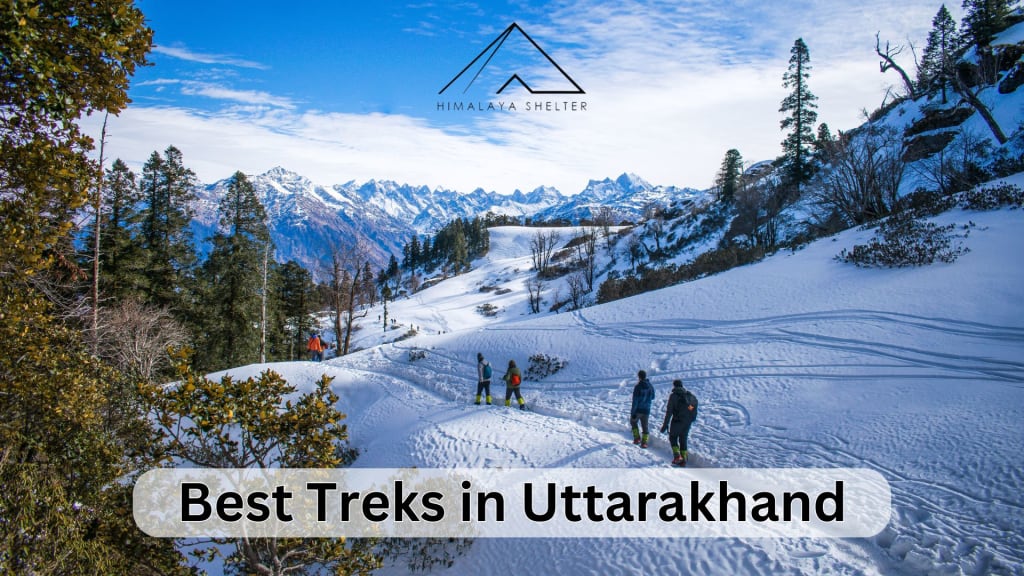
The Kedarkantha trek is a popular winter trek located in the Govind Wildlife Sanctuary in Uttarakhand. Known for its accessible routes, picturesque campsites, and mesmerizing panoramic views of snow-covered peaks, it’s an ideal trek for beginners and experienced hikers alike. Ascending to a height of 12,500 feet, Kedarkantha offers a thrilling yet manageable climb through enchanting pine forests, traditional villages, and open meadows blanketed in snow during the winter.
Highlights of Kedarkantha Trek
Snow-Capped Summit Views: One of the major attractions of the Kedarkantha trek is the spectacular 360-degree view of the surrounding peaks, including Swargarohini, Bandarpoonch, Black Peak, and Ranglana. The summit offers an experience unlike any other, with a clear sight of these iconic mountain ranges.
Charming Campsites: The campsites along the Kedarkantha route are scenic and varied. Each one offers a unique landscape, from pine-covered Juda ka Talab with its frozen lake in winter to open meadows at Kedarkantha base camp where trekkers can gaze at the stars under the vast, open skies.
Rich Flora and Fauna: The Kedarkantha trek takes you through dense forests of oak and pine, home to a rich diversity of flora and fauna. The Govind Wildlife Sanctuary is known for its Himalayan birds and occasional sightings of snow leopards, leopards, and black bears.
Detailed Kedarkantha Trek Route
Day 1 - Sankri to Juda ka Talab: The trek starts from the quaint village of Sankri, located at an altitude of 6,400 feet. From here, trekkers head towards Juda ka Talab, an enchanting lake surrounded by tall pine trees. This first day involves a gradual ascent, with beautiful views and dense forests.
Day 2 - Juda ka Talab to Kedarkantha Base Camp: From Juda ka Talab, the trek proceeds to the Kedarkantha base camp, at an altitude of 10,500 feet. The landscape shifts, opening up to wider meadows and offering a glimpse of the summit.
Day 3 - Kedarkantha Base Camp to Summit and Back to Hargaon: The third day is the most challenging yet rewarding part of the trek, as trekkers make the final ascent to the Kedarkantha summit. After reaching the summit and enjoying the majestic views, trekkers descend to the Hargaon campsite.
Day 4 - Hargaon to Sankri: The final day involves a descent back to Sankri through scenic forests, concluding the trek on a high note.
Best Time to Trek Kedarkantha
While the Kedarkantha trek is open throughout the year, it’s most popular from December to March when it becomes a winter wonderland. Snow-laden trails and the pristine white summit make it one of the best winter treks in India. However, those looking for a less snowy experience can also enjoy it in the spring and autumn months when the landscape is lush and green.
Overview of Gaumukh Tapovan Trek
Introduction to Gaumukh Tapovan Trek
The Gaumukh Tapovan trek is one of the most revered treks in India, taking you to the source of the holy River Ganga and further up to the high-altitude meadows of Tapovan. Located in Uttarkashi, this trek reaches an altitude of 14,600 feet and passes through the Gangotri National Park, offering stunning landscapes and spiritual significance. This trek is ideal for trekkers seeking a mix of adventure and a spiritual experience in the Himalayas.
Highlights of Gaumukh Tapovan Trek
Gaumukh Glacier: The trek takes you to the Gaumukh Glacier, the source of the Ganges. It’s a rare sight that fills trekkers with awe as they witness the massive glacier feeding one of India’s most sacred rivers.
High-Altitude Meadows of Tapovan: Tapovan is a serene meadow at an altitude of 14,600 feet, known for its panoramic views of the Shivling and Bhagirathi peaks. This campsite, surrounded by towering peaks and green pastures, is a sight that leaves trekkers spellbound.
Spiritual and Historical Importance: The trek follows a path that many sages and pilgrims have taken for centuries. The Gangotri Temple at the trek's base is one of the holiest places for Hindus, and the entire route is steeped in spiritual history.
Detailed Gaumukh Tapovan Trek Route
Day 1 - Gangotri to Chirbasa: Starting from Gangotri (10,200 feet), the trek begins with a gentle ascent to Chirbasa (11,600 feet). The trail winds through lush forests along the Bhagirathi River, with magnificent views of the Bhagirathi peaks.
Day 2 - Chirbasa to Bhojbasa: From Chirbasa, the trek continues to Bhojbasa (12,450 feet). This part of the trail is marked by rugged terrain and scenic views. Bhojbasa is an open meadow by the river and serves as an excellent camping site.
Day 3 - Bhojbasa to Gaumukh to Tapovan: The trek reaches its highlight on this day as trekkers make their way to Gaumukh Glacier and then proceed to Tapovan (14,600 feet). Tapovan is a lush high-altitude meadow with close views of Mt. Shivling, one of the most iconic peaks in the Himalayas.
Day 4 - Tapovan to Chirbasa: The journey back begins, with trekkers retracing their steps down to Chirbasa, where they can camp for the night and soak in the serene surroundings.
Day 5 - Chirbasa to Gangotri: On the final day, trekkers return to Gangotri, marking the end of this unforgettable adventure.
Best Time to Trek Gaumukh Tapovan
The ideal time for the Gaumukh Tapovan trek is from May to June and September to October. During these months, the weather is pleasant, and the trails are mostly free of snow. Monsoon months are not recommended due to landslides, and winter can be extremely challenging.
Preparation Tips for Kedarkantha and Gaumukh Tapovan Treks
Physical Fitness: Both treks require a moderate to high level of fitness. It’s essential to train with cardio and strength exercises at least a month before the trek.
Altitude Acclimatization: Acclimatization is key for high-altitude treks like Gaumukh Tapovan. Make sure to pace yourself, stay hydrated, and take proper rest.
Essential Gear: Warm clothing, trekking poles, sturdy boots, a sleeping bag, and high-energy snacks are crucial for both treks. For the winter Kedarkantha trek, ensure you have snow trekking equipment.
Permits and Permissions: Both treks require permits, especially Gaumukh Tapovan since it falls within the Gangotri National Park. Arrange for these permits in advance to avoid last-minute hassles.
Why Choose the Kedarkantha and Gaumukh Tapovan Treks?
The Kedarkantha and Gaumukh Tapovan treks each offer something unique and captivating. Kedarkantha’s snow-clad landscapes, accessible routes, and iconic campsites make it perfect for those looking for a picturesque winter adventure. On the other hand, the spiritual journey, glacier views, and challenging ascents of Gaumukh Tapovan offer a profound experience for those seeking both adventure and serenity.
If you’re ready to explore the majestic beauty of the Himalayas, consider adding both treks to your list. From the mystical meadows of Kedarkantha trek to the sacred trails of Gaumukh Tapovan trek, these trails promise an experience that will leave you with memories for a lifetime.
About the Creator
Keep reading
More stories from Rahul Singh and writers in Writers and other communities.
Brahmatal Trek: A Winter Wonderland in the Himalayas
Overview of the Brahmatal Trek The Brahmatal trek is a moderately challenging trail that takes you through dense forests of oak and rhododendron, quaint villages, and sprawling meadows. The highlight of the trek is the Brahmatal Lake, frozen during the winter months, reflecting the surrounding peaks like a mirror when thawed. The trek offers stunning views of Mount Trishul and Nanda Ghunti, making it an ideal choice for nature lovers and photographers.
By Rahul Singhabout a year ago in Writers
Why Is Clean, Structured Data Essential for AI-Driven Business Decisions in 2025?
In the world of AI and machine learning, data quality has become a board-level concern. From predictive analytics to real-time decision-making, businesses now rely on AI models to power everything from customer recommendations to supply chain optimizations. However, there’s one crucial piece of the puzzle—structured data.
By Retail Gators7 days ago in Writers



Comments
There are no comments for this story
Be the first to respond and start the conversation.