
Japan's Thriving Used Car Market: A USD 124.1 Billion Opportunity by 2034
How Smart Technology, Environmental Innovation, and Unmatched Quality Standards Are Transforming the Pre-Owned Automotive Sector

Market Overview
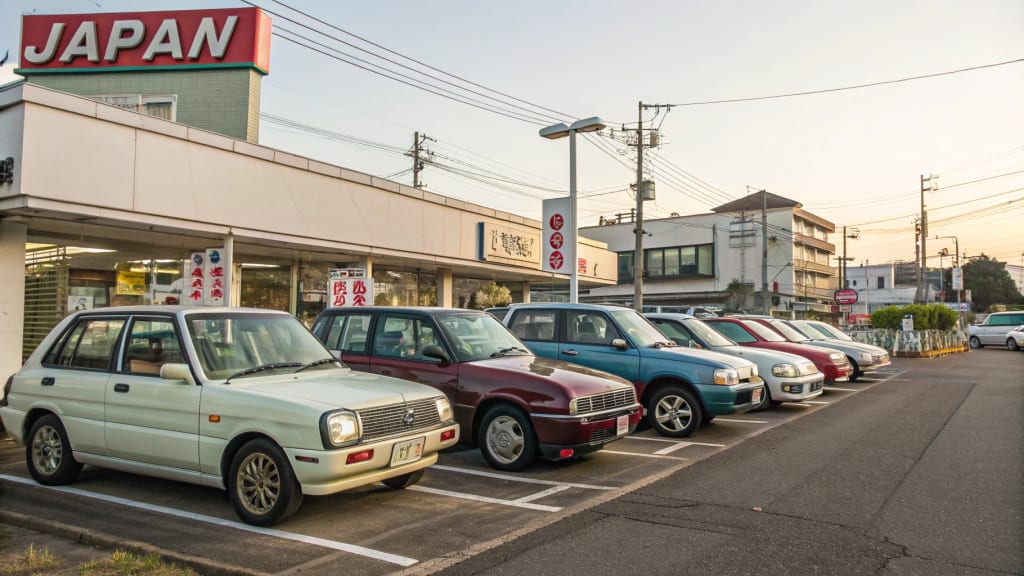
The used car market constitutes a vital component of Japan's automotive ecosystem, providing consumers with cost-effective transportation options while maintaining the quality and reliability standards for which Japanese manufacturing is globally renowned. This sector encompasses pre-owned vehicles ranging from compact hatchbacks and family sedans to versatile SUVs, distributed through organized dealerships, auction platforms, and private transactions. Japan's unique vehicle inspection system, cultural emphasis on meticulous maintenance, and frequent ownership turnover create exceptional conditions for used vehicle quality and market liquidity. The country's well-maintained road infrastructure and cultural dedication to vehicle care ensure that pre-owned automobiles retain superior condition compared to international counterparts. Despite challenges including new car supply constraints and evolving consumer preferences, Japan's used car market continues thriving through digital platform adoption, international export growth, and increasing availability of hybrid and electric pre-owned vehicles.
The Japan used car market size reached USD 70.9 billion in 2025, driven by economic considerations favoring cost-effective vehicle options, shorter ownership cycles influenced by lease agreements and upgrade preferences, and rigorous vehicle inspection standards ensuring quality. Looking forward, the market is projected to reach USD 124.1 billion by 2034, exhibiting a growth rate of 6.41% during 2026-2034. Market expansion is being propelled by digital sales channel development, AI-enhanced vehicle assessment technologies, growing demand for hybrid and electric used vehicles, strong international export markets particularly in Africa and Asia, semiconductor shortages constraining new vehicle production, and Japan's reputation for producing reliable, well-maintained automobiles that command premium valuations globally.
Request PDF Sample for more detailed market insights:
Role of Innovation in Market Development
Artificial Intelligence in Vehicle Assessment and Pricing
Innovation through artificial intelligence is revolutionizing vehicle inspection and valuation processes within Japan's used car market. AI-powered visual recognition systems analyze vehicle images to identify surface imperfections, mechanical wear, paint inconsistencies, and structural damage with accuracy exceeding manual inspection capabilities. Machine learning algorithms process extensive datasets encompassing auction results, market transactions, vehicle specifications, and condition reports to generate precise pricing recommendations reflecting current market dynamics. These technologies reduce inspection timeframes, minimize human error, and enhance transparency for both buyers and sellers. Automated condition assessment tools enable rapid vehicle processing at auction facilities while providing detailed documentation supporting purchasing decisions. As AI capabilities advance, predictive maintenance algorithms forecast potential mechanical issues based on vehicle history and usage patterns, enabling more informed buying decisions and fair pricing that reflects true vehicle condition and remaining service life.
Digital Platforms and E-Commerce Integration
The proliferation of digital sales platforms is fundamentally changing how used vehicles are marketed, evaluated, and transacted across Japan. Online marketplaces provide comprehensive vehicle listings featuring detailed specifications, high-resolution photography, video walkthroughs, and verified condition reports accessible to consumers nationwide. Virtual showroom technologies enable remote vehicle inspection through 360-degree imaging and live video consultations with sales representatives. Integrated financing calculators, insurance quotes, and home delivery services create seamless digital purchasing journeys eliminating geographic constraints. Blockchain-based vehicle history systems ensure documentation authenticity while preventing odometer fraud and title washing. These digital innovations expand market reach for dealers, increase pricing transparency, and empower consumers with information supporting confident purchasing decisions without requiring physical dealership visits.
Eco-Friendly Vehicle Availability and Infrastructure
The growing availability of hybrid, electric, and alternative fuel used vehicles reflects Japan's leadership in automotive electrification and environmental consciousness. Pre-owned hybrid vehicles combining internal combustion engines with electric motors deliver fuel efficiency and reduced emissions at accessible price points compared to new equivalents. The expanding inventory of used electric vehicles benefits from government incentives, charging infrastructure development, and consumer familiarity with battery technology performance and longevity. Hydrogen fuel cell vehicles entering the used market introduce additional zero-emission options for environmentally conscious buyers. Comprehensive vehicle inspection programs specifically addressing battery health, charging system functionality, and electric drivetrain components ensure used eco-friendly vehicles meet reliability standards. This diversification toward sustainable powertrains positions Japan's used car market at the forefront of the automotive industry's environmental transition.
Japan Used Car Industry Trends and Drivers
Compulsory Vehicle Inspection System (Shaken)
Japan's rigorous compulsory vehicle inspection system, known as Shaken, fundamentally shapes used car quality standards and market dynamics. This mandatory inspection occurs every two years for passenger vehicles, evaluating mechanical safety, emissions compliance, and overall vehicle condition. The comprehensive nature of Shaken inspections, combined with associated costs often exceeding several hundred thousand yen, motivates many owners to replace vehicles rather than invest in repairs and compliance work. This cultural and regulatory dynamic creates steady used vehicle inventory turnover while ensuring automobiles entering the pre-owned market have documented maintenance histories and verified mechanical condition. The inspection system builds consumer confidence in used vehicle purchases, as buyers recognize that recently inspected vehicles meet stringent safety and environmental standards, reducing perceived risks associated with pre-owned automobile acquisition.
Economic Factors and Cost-Conscious Purchasing
Prevailing economic conditions including inflation pressures, stagnant wage growth, and cost of living increases drive consumer preference toward used vehicles offering substantial savings compared to new automobile purchases. The price differential between new and used vehicles, often representing 30-50% cost reduction for comparable models, makes pre-owned options attractive to budget-conscious families, young professionals, and retirees on fixed incomes. Semiconductor shortages constraining new vehicle production throughout 2024-2025 extended delivery times for new automobiles, pushing impatient consumers toward immediately available used inventory. This supply constraint simultaneously elevated used vehicle prices, particularly for nearly-new models, as market dynamics shifted advantage toward sellers. The financial accessibility of used vehicles enables mobility for broader population segments while delivering functional transportation meeting daily commuting and family needs without new vehicle premium pricing.
Shorter Ownership Cycles and Lease Returns
Japanese consumers demonstrate notably brief vehicle ownership periods compared to international averages, frequently upgrading to newer models every three to five years. This preference stems from cultural affinity for latest technology, manufacturer incentive programs encouraging trade-ins, and lease agreement structures promoting regular vehicle replacement. Corporate fleet vehicles retired after prescribed service periods contribute substantial numbers of well-maintained, documented automobiles to the used market. The prevalence of leasing, particularly among business professionals and urban residents, generates consistent flows of low-mileage, meticulously serviced vehicles returning to dealership inventories. These shorter ownership cycles create robust used vehicle supply featuring relatively recent model years with modern safety features, infotainment systems, and mechanical refinements appealing to value-oriented buyers seeking contemporary capabilities without new vehicle costs.
International Export Demand
Japan's used vehicles command strong demand throughout international markets, particularly across Africa, Southeast Asia, Oceania, and South America. Japanese automobiles' reputation for reliability, quality manufacturing, and longevity makes them preferred choices for consumers in developing markets where vehicle dependability is paramount. Right-hand drive vehicles from Japan find ready markets in countries sharing that configuration including Kenya, Tanzania, New Zealand, and Caribbean nations. Organized export operations leverage Japan's efficient auction systems, comprehensive vehicle inspection standards, and logistics infrastructure to supply international dealers and individual buyers. Export volumes reaching tens of thousands of units monthly to individual countries like Tanzania and Kenya demonstrate the scale and economic significance of international trade supporting Japan's domestic used car ecosystem.
Digital Transformation and Online Sales
The accelerating shift toward digital commerce is reshaping used car distribution channels and purchasing behaviors across Japan. Younger, technology-oriented consumers increasingly prefer online research, comparison shopping, and transaction completion from mobile devices rather than traditional dealership visits. Digital platforms provide 24/7 access to inventory, transparent pricing, customer reviews, and instant financing pre-qualification enhancing purchasing convenience. Live-streamed auction access enables remote bidding on vehicles nationwide, democratizing access to inventory previously limited by geographic proximity. Home delivery services eliminate final barriers to purely digital transactions, with vehicles transported directly to buyers following purchase completion. This digital migration expands market reach for dealers, reduces overhead costs associated with physical showroom operations, and aligns with evolving consumer expectations for seamless, technology-enabled purchasing experiences across all retail categories.
Vehicle Quality and Maintenance Culture
Japan's cultural emphasis on cleanliness, maintenance, and care fundamentally differentiates its used vehicles from international counterparts. Owners meticulously maintain service schedules, address minor repairs promptly, and preserve vehicle aesthetics through regular washing and detailing. Well-maintained road infrastructure minimizes vehicle wear from poor surface conditions, potholes, and harsh driving environments common in other markets. Efficient public transportation systems in major urban centers result in lower annual mileage accumulation for personal vehicles, with many automobiles showing remarkably low odometer readings relative to their age. These factors combine to produce used vehicles exhibiting superior mechanical condition, cleaner interiors, and better-preserved exteriors than comparable international examples, justifying premium valuations and supporting strong export demand from global buyers recognizing Japanese used cars' exceptional quality-to-price ratios.
Japan Used Car Market Segmentation
By Vehicle Type
• Hatchbacks
• Sedan
• Sports Utility Vehicle
• Others
By Vendor Type
• Organized
• Unorganized
By Fuel Type
• Gasoline
• Diesel
• Others (Hybrid, Electric, Hydrogen)
By Sales Channel
• Online
• Offline
By Region
• Kanto Region
• Kinki Region
• Central/Chubu Region
• Kyushu-Okinawa Region
• Tohoku Region
• Chugoku Region
• Hokkaido Region
• Shikoku Region
This segmentation highlights the diverse structure of Japan's used car ecosystem, encompassing multiple vehicle categories from compact urban transportation to family-oriented SUVs, organized dealerships alongside informal sellers, various powertrains including growing alternative fuel options, emerging digital channels competing with traditional physical dealerships, and regional markets across Japan's geographic landscape reflecting distinct demographic profiles and transportation needs.
Competitive Landscape
The Japan used car market features intense competition among established dealership chains, auction house operators, online platforms, and independent sellers. Organized dealerships leverage brand recognition, certified pre-owned programs, warranty offerings, and financing services to attract quality-conscious buyers willing to pay premiums for assurance and professional service. Large auction houses including USS provide infrastructure connecting sellers and buyers nationwide, processing hundreds of thousands of vehicles monthly through efficient automated systems. Digital marketplaces disrupt traditional models by reducing overhead costs, expanding geographic reach, and providing transparency through detailed vehicle information and customer reviews. Independent sellers compete primarily on price flexibility and negotiation latitude, appealing to experienced buyers confident in personal vehicle assessment capabilities.
Recent market developments demonstrate ongoing evolution and investment activity. The establishment of WECARS through ITOCHU Corporation's acquisition of BIGMOTOR operations signals major corporate confidence in used car sector prospects. Toyota Tsusho's launch of the TOYOTA TSUSHO AUCTION information service enhances export market access by providing detailed vehicle data to international buyers. These strategic initiatives reflect industry recognition of digital transformation opportunities, export market potential, and consumer demand for transparency and quality assurance. As competition intensifies, differentiation through technology adoption, service quality, inventory breadth, and customer experience excellence becomes increasingly critical for capturing market share across diverse buyer segments from first-time purchasers to experienced automotive enthusiasts.
Market Outlook
The Japan used car market is positioned for robust growth as economic conditions favor cost-effective transportation options, digital platforms enhance market efficiency, and environmental consciousness drives demand for hybrid and electric pre-owned vehicles. Investments in AI-powered assessment technologies, blockchain vehicle history systems, and seamless e-commerce platforms will continue transforming purchasing experiences and operational efficiency. The integration of sustainable powertrains within used inventory, expanding international export networks, and Japan's unmatched reputation for vehicle quality will sustain market expansion. As semiconductor supplies normalize and new vehicle production recovers, used car pricing dynamics may adjust while underlying demand drivers including shorter ownership cycles, inspection system rigor, and digital commerce adoption maintain market vitality. The convergence of technological innovation, cultural maintenance standards, and evolving consumer preferences will ensure Japan's used car sector remains dynamic, accessible, and globally influential throughout the forecast period.
About IMARC Group
IMARC Group is a leading market research and consulting firm providing strategy development, industry analysis, feasibility studies, and data-driven insights across global markets. The firm supports businesses, investors, and governments in making informed decisions through reliable and actionable research.
About the Creator
Yoshio
Market Research Analyst with 5+ years of experience in consumer insights and market segmentation. Skilled in data analysis and qualitative research.
About BTS Tickets
It has come to our understanding that alot of us have to wait for what is going on within the tickets for the BTS concert. Some us was fortunate while others was in the grip of scalpers and scammers taking money and also taking tickets and doubling the price. As what I'm expericing in Threads and other social media it's like this year they had doubled time in our chances to even see them wonderful seven men . I was doubting my feelings of it will be easy ,but wasn't really.
By Erica Williams4 days ago in Writers



Comments
There are no comments for this story
Be the first to respond and start the conversation.