
Is There a Formula for Creating a Bestselling Novel?
Unlocking the Secrets to Crafting Stories That Captivate and Sell

The notion of a "bestselling novel" captures the imagination of authors and readers alike. It conjures images of lucrative book deals, glowing reviews, and relentless media attention. But is there really a formula for writing a novel that will top bestseller lists? While no single formula guarantees success, there are common elements and strategies that many bestselling authors utilize.
Understanding the Market
Before an author can craft their story, it’s critical to understand the current literary market. Trends in publishing shift over time, influenced by cultural phenomena, technological advances, and reader preferences. Here are some factors to consider:
Genre Popularity: Research which genres are currently thriving. Romance, for instance, often ranks high in sales, while fantasy and thrillers are also perennially appealing. Understanding genre expectations can help frame your story.
Target Audience: Identify who your readers are. Are they young adults, middle-aged mothers, or retirees? Knowing your audience helps tailor your story’s themes, language, and style.
Cultural Resonance: Bestsellers often tap into contemporary issues, emotions, or movements. A novel that speaks to societal change or a collective trauma can resonate widely, creating a deeper connection with readers.
Core Elements of Bestselling Novels
While each bestselling novel is unique, successful ones often share certain characteristics:
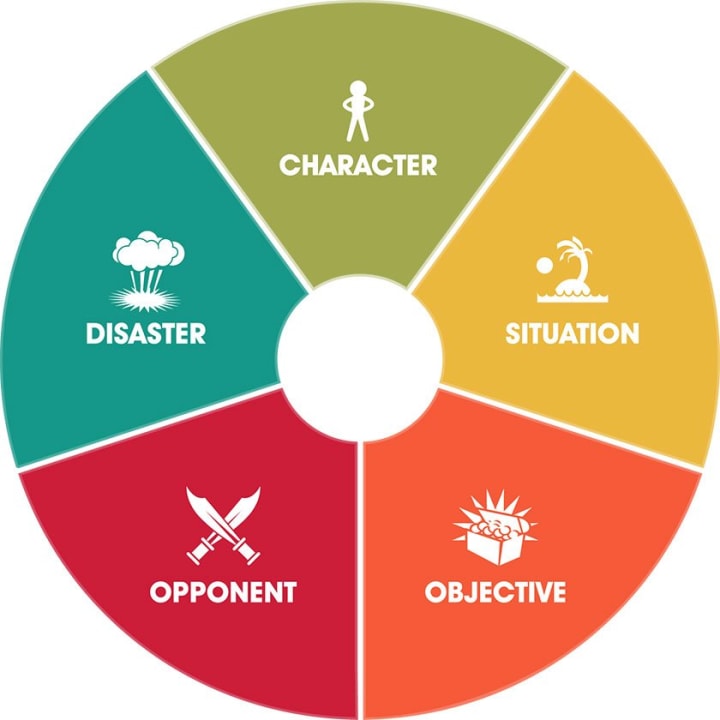
Compelling Characters: Engaging characters are vital. Readers want to connect with multi-dimensional characters who undergo significant growth or change. Protagonists should face challenges that resonate with readers’ own struggles, allowing for empathy and investment in their journey.
Strong Hooks: The opening lines or paragraphs must capture attention immediately. A hook can be a provocative question, an intriguing action sequence, or a vivid description that raises curiosity. This initial engagement is essential to keep readers turning the pages.
Conflict: Every great story needs conflict. Whether internal (characters battling their demons) or external (characters facing adversities), conflict drives the narrative. It’s the engine of the plot, providing stakes and motivation for characters’ actions.
Pacing: Bestselling novels typically maintain a brisk pace that keeps readers engaged. This can be achieved through concise prose, varied sentence lengths, and well-timed cliffhangers that propel the narrative forward.
Satisfying Conclusion: While some stories benefit from an open-ended conclusion, a satisfying resolution is crucial in many genres. Readers should feel a sense of closure, even if the ending leaves some questions unanswered.
Writing Techniques and Structure
Many bestselling authors employ specific writing techniques and structures to create their novels:
Three-Act Structure: This classical narrative structure divides the story into three parts: the setup, the confrontation, and the resolution. It provides a robust framework that ensures the pacing and flow of the narrative.
Outlining: Outlining the plot helps authors stay organized and maintain a coherent trajectory. Though some writers prefer spontaneity, a strong outline can mitigate the risk of writing a sprawling, unfocused manuscript.
Authenticity and Voice: Developing a unique voice makes a novel stand out. Readers enjoy a fresh perspective and a distinctive narrative style. Authenticity in dialogue and character behavior also builds credibility and connection.
Editing and Feedback: Good writing is often rewriting. Iterating on drafts and seeking feedback from beta readers, writing groups, or professional editors can drastically improve the quality of the manuscript. Constructive criticism provides insight into what works and what doesn’t.
Marketing and Promotion
Writing a bestselling novel is only half the battle; marketing is equally crucial:
Building an Author Platform: In today’s digital age, having a strong online presence is essential. Authors should consider establishing websites, blogs, or social media profiles that showcase their work and engage with potential readers.
Book Launch Strategy: Strategically planning the book launch can make a significant difference in initial sales. This can include pre-orders, virtual tours, author interviews, and giving away advance copies for reviews.
Networking in the Literary Community: Connecting with other authors, attending writing conferences, and participating in literary events can open doors. Establishing relationships within the industry can lead to fruitful collaborations and wider exposure.
Public Relations: Engaging a publicist or pursuing media attention can amplify a book’s visibility. Thoughtful press releases, interviews, and features in literary magazines can draw attention to the title.
Conclusion
In summary, while there may not be a definitive formula for creating a bestselling novel, understanding market dynamics, employing core narrative elements, utilizing effective writing techniques, and implementing robust marketing strategies all contribute to the likelihood of success. Ultimately, authenticity and passion for storytelling will resonate with readers, making it an essential ingredient in the quest to write a book that sells.
The literary landscape is as diverse and unpredictable as human creativity itself, and the best stories often arise from genuine inspiration rather than a rigid adherence to any formula. Embrace the process, learn from the craft, and who knows—your next manuscript could be the next big bestseller.
About the Creator
Hannah miller
I’m an author dedicated to weaving engaging narratives across a variety of genres to resonate with readers.
Keep reading
More stories from Hannah miller and writers in Writers and other communities.
Where to Discover Your Ideal Ghostwriter and eBook Author?
In a world driven by content creation and storytelling, the demand for skilled ghostwriters and eBook authors continues to rise. Whether you're a busy entrepreneur, an aspiring author, a business looking to expand its digital presence, or even someone with a compelling story but lacking the writing finesse, hiring a ghostwriter can be a game-changer. But where can you find that perfect match? Here's a detailed guide to help you on this journey.
By Hannah millerabout a year ago in Writers
Are Retail Expansion Decisions Failing Because You’re Ignoring Location Intelligence?
Retail expansion often looks straightforward on paper. A promising city, visible footfall, familiar competitors—everything seems right. Yet many stores struggle within months, while others succeed just a few streets away.
By Retail Gators6 days ago in Writers



Comments
There are no comments for this story
Be the first to respond and start the conversation.