
Is Eating Cereal Every Morning Healthy? Must Know Things
Is eating cereal every morning healthy? Discover what makes a good cereal choice, avoid common mistakes, and build better breakfast habits with this simple guide.

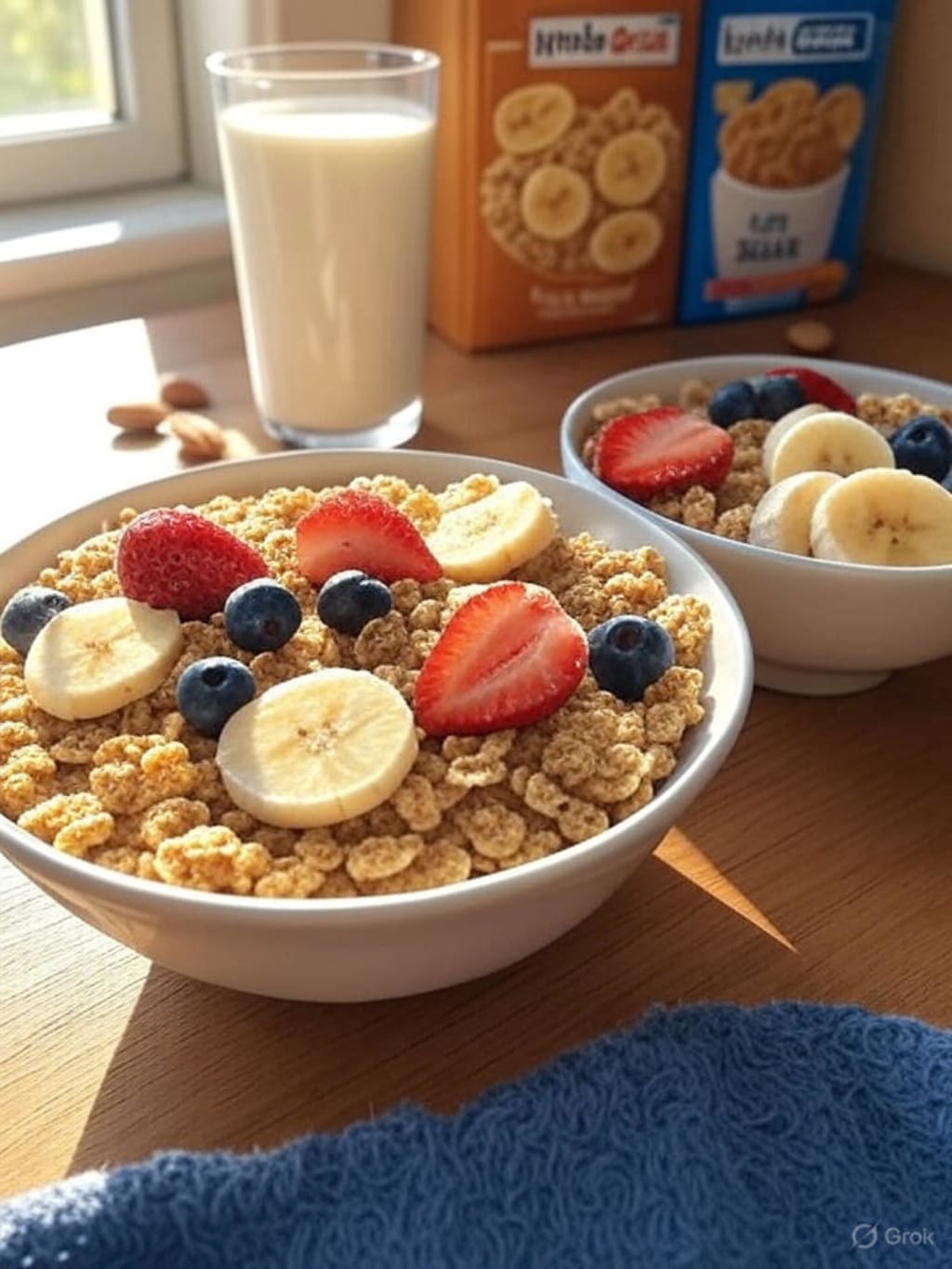
Cereal is a very widespread breakfast in the world. It is fast, simplified, and comes in numerous types. However, is it healthy to eat cereal in the morning? The response to this question will depend upon the type of cereal you take and to what extent you balance it with the rest of the diet.
In this guide, I will help you understand what makes a cereal healthy and how your daily bowl can either support or hurt your overall health.
Understanding the Basics of a Healthy Breakfast
The first meal of the day is breakfast. It provides your body with vital energy when you have not eaten for a whole night. A healthy breakfast must consist of a combination of fiber, protein, and healthy fats. Cereal may satisfy this requirement provided you make the right selection of it. However, in the market, most cereals contain a lot of sugar with few nutrients. That is where the problem starts.
According to the Centers for Disease Control and Prevention (CDC), approximately 36% of American children and teens consume cereal daily, and many of these cereals are high in sugar. Adults also consume cereals regularly but often overlook the ingredient list. If your morning cereal lacks fiber and protein, it may cause a quick rise in blood sugar and make you feel hungry again within an hour or two.
How to Identify a Healthy Cereal
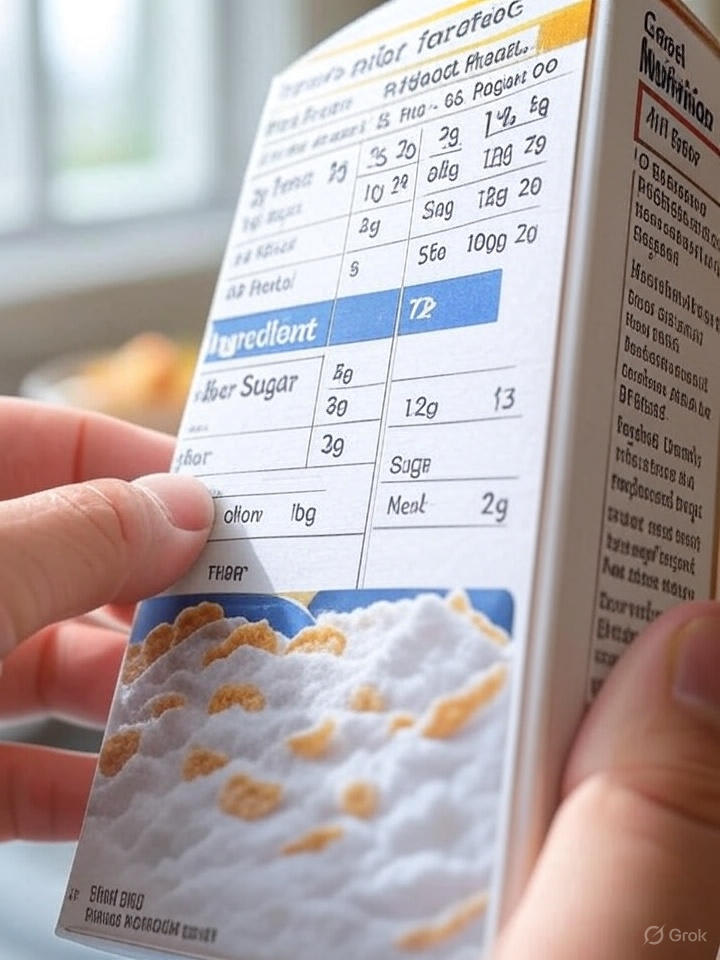
Not all cereals are created equal. When you look at a cereal box, the front might show bold claims like "high in vitamins" or "low fat," but the back label tells the full story. A healthy cereal should have:
- Whole grains as the first ingredient
- At least 3 grams of fiber per serving
- Less than 6 grams of added sugar
- Some protein (around 3-6 grams)
- No artificial colors or flavors
You should avoid cereals with a long list of chemical-sounding ingredients. Also, watch out for cereals with added corn syrup or hydrogenated oils. These are signs of ultra-processed food.
The Role of Portion Size and Add-Ons
As much as eating cornflakes in the morning is healthy, you should be able to control the size of what you eat. It is normally served in approximately 1 cup (30 grams). A large number of citizens pour twice the amount without perceiving it. To improve the quality of your cereal, it is possible to add milk, fruits, or seeds to it.
When taking cereal or cereals with milk, it may be without protein. A boiled egg or some nuts should be added to it. This little adjustment will stabilize your breakfast and quell spontaneous hunger during the day.
Pros of Eating Cereal Every Morning
There are positive sides to cereal, particularly among individuals who do not have time to have breakfast in the morning. These are some of the benefits:
- Fast and easy: It does not require cooking.
- Easy to store: It is stored in a cardboard cereal box and can be stored for up to months.
- Variety: You have a choice of either having whole grain, bran, oat-based, or high-protein cereals.
- Fortified cereals:Iron, B vitamins, and folic acid help in energy and fitness, which come in most of the cereals.
- An easy-to-digest fiber is found in a plain bran or oat cereal, which can give us approximately 5 grams of fiber in a serving.
Downsides of Eating the Wrong Type of Cereal
The biggest issue is sugar. Most cereals, and particularly children's cereals, have in excess of 10 grams of sugar content per serving. Daily consumption of sugar-heavy cereals may result in obesity, insulin imbalance, and tooth decay. With time, it can also develop the risk of chronic diseases such as type 2 diabetes or heart challenges.
In addition, the variety may be minimised by the consumption of the same kind of cereal daily. Your body should have many nutrients, and cereal cannot offer everything. Try rotating your breakfast every few days with options like eggs, oatmeal, or yogurt.
Are All Cereals Bad? Absolutely Not
One can find loads of healthy cereals. Whole grain oats, bran flakes, shredded wheat, and puffed rice without added sugar may be excellent choices. Even some of the customized brands of cereal boxes are coming up with low-carb or protein-added cereals to help in health ambitions. They are suitable for individuals on a certain diet or sugar-conscious.
If you run a food business, using a customized cereal box with a clear ingredient list and nutrition facts can help build trust with customers. It not only helps promote transparency but also supports healthy eating habits.
Tips for Making Cereal a Healthy Part of Your Diet
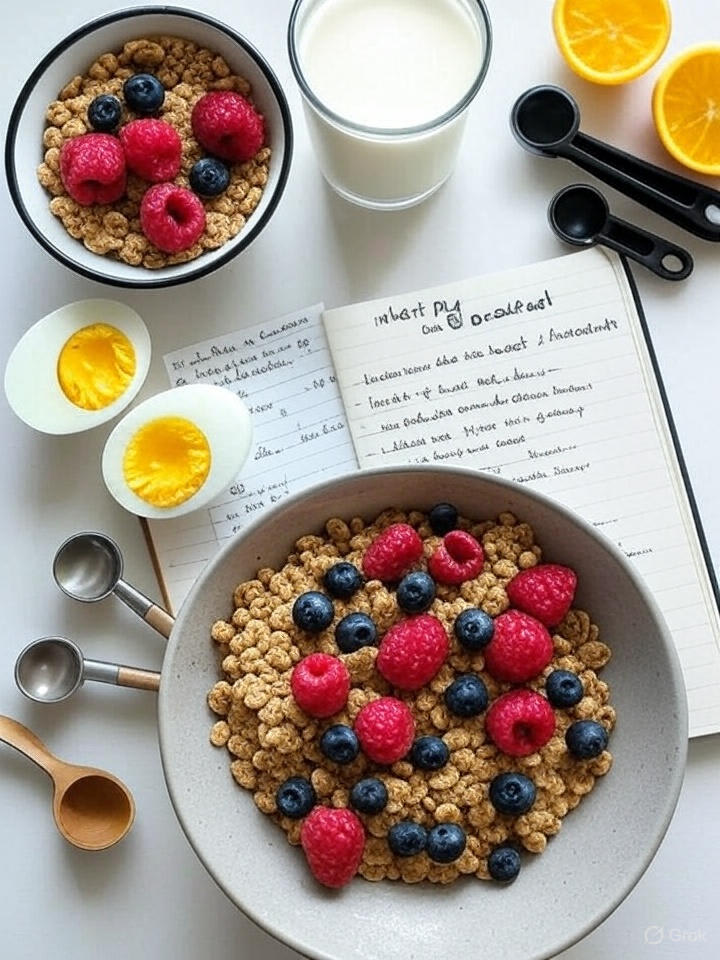
You don’t have to give up cereal. You just need to make better choices. Here’s how you can do that:
- Choose cereals made with whole grains like oats, bran, or quinoa
- Avoid cereals with cartoon characters or bright colors – these are often high in sugar
- Add fruits like bananas or berries for extra fiber and natural sweetness
- Include protein on the side, such as eggs, nuts, or a yogurt cup
- Stick to a measured portion and avoid second servings unless needed
Should Kids Eat Cereal Every Day?
Children can have cereal for breakfast daily. However, select a less sugary and fiber-rich cereal. Accompany it with milk and a fruit to make the food complete. Childhood will absorb plenty of sugar-based cereal, which may later cause health problems.
If you pack cereal for school or travel, opt for a cardboard cereal box that keeps the product fresh and easy to carry. It’s a practical solution for storage and sustainability.
Concluding
And yes, it may be good to have cereal every morning as long as you make the right decisions. Make sure that you find cereals that contain a lot of fiber and less sugar. Understand the labels. The nutritional balance can be enhanced by adding new ingredients. Use a cereal diet, but do not depend on cereal to provide your nutritional requirements. Variety up your breakfast all week to include other whole foods.
Cereal can be used as a part of a healthy morning routine when selected adequately. It may aid in your digestion, save your time, and even assist you in achieving your daily nutrients. But you ought to be careful of what is put in your bowl. That is what health is all about over time.
About the Creator
Cristina Baker
I’m Cristina Baker, a business and market expert with 8+ years of experience helping brands and entrepreneurs grow. I share insights, strategies, and ideas that inspire growth, spark curiosity, and turn challenges into actionable results.
Keep reading
More stories from Cristina Baker and writers in Writers and other communities.
Veo 3 AI Video Generator: Features, Workflow & Use Cases
The use of AI is transforming video production. The Veo 3 AI Video Generator is one of the most powerful tools made by Google. It assists users in transforming mere text messages into top-grade videos. This AI video creation software simplifies the work of content creators, marketers, teachers, and companies that would like to create visual materials in a short period of time without wasting time with cameras and editing.
By Cristina Baker6 months ago in Futurism
Unofficial Challenge: Black History Celebration
Forward: February 28th, 10:53 PM, EST... The final hour of Black History Month, 2026. Hello fellow writers. I've had this challenge waiting in my drafts for most of the month. But I held off on publishing it, until now.
By Sam Spinelli5 days ago in Writers



Comments
There are no comments for this story
Be the first to respond and start the conversation.