
Integrating Renewable Energy with EV Charging Infrastructure for Greener Solutions
The rapid adoption of electric vehicles (EVs) has paved the way for a significant transformation in the global energy sector.
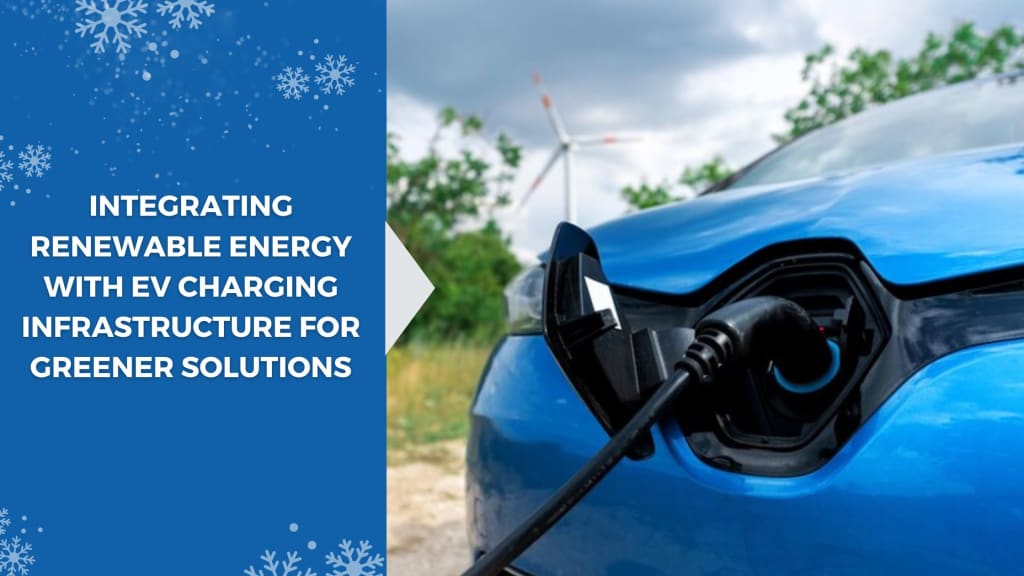
The rapid adoption of electric vehicles (EVs) has paved the way for a significant transformation in the global energy sector. However, the sustainability of EV charging infrastructure depends on integrating renewable energy sources. This shift reduces dependence on fossil fuels and minimizes the carbon footprint of EVs.
In this blog, we will explore the advantages of integrating renewable energy with EV charging infrastructure, examine case studies demonstrating successful implementations, and highlight upcoming electric vehicle conferences 2025, including the 3rd Annual EV Charging Infrastructure Forum, which will address these pressing issues.
The Need for Renewable Energy in EV Charging Infrastructure
Environmental Benefits
Traditional electricity grids rely on coal, natural gas, and other fossil fuels. If EV charging infrastructure is powered by non-renewable sources, the environmental benefits of EV adoption are diminished. By integrating solar, wind, and hydroelectric energy, we can significantly reduce greenhouse gas emissions.
Cost Efficiency
Renewable energy can lower operational costs for charging stations. Solar-powered EV chargers, for instance, eliminate electricity expenses during daylight hours, making them a cost-effective solution for operators and users alike.
Grid Independence and Resilience
Renewable energy sources enhance grid stability by reducing peak-time electricity demand. With the integration of battery storage, charging stations can store excess renewable energy for later use, ensuring uninterrupted service even during power outages.
Case Studies of Renewable Energy Integration
Case Study 1: Tesla’s Solar-Powered Superchargers
Tesla has pioneered solar-powered EV charging infrastructure with its Supercharger network. These stations are equipped with solar panels and battery storage systems, allowing for sustainable and independent charging solutions.
Case Study 2: Amsterdam’s Smart Charging Network
Amsterdam has implemented an intelligent charging network that prioritizes renewable energy. The system automatically adjusts charging times to periods when wind and solar energy production is at its peak, reducing the reliance on fossil fuels.
Case Study 3: India’s Solar-Powered EV Charging Initiative
India is rapidly expanding its renewable-powered EV charging infrastructure. The country has launched solar-powered charging stations in urban areas, ensuring that its growing EV market is supported by clean energy.
Challenges in Integrating Renewable Energy with EV Charging Infrastructure
- Intermittency of Renewable Energy: Solar and wind energy are weather-dependent, necessitating battery storage solutions.
- High Initial Costs: The installation of renewable-powered charging stations requires significant upfront investment.
- Grid Compatibility: Upgrading existing grids to support renewable energy can be complex and time-consuming.
Addressing These Challenges at Electric Vehicle Conferences 2025
The upcoming electric vehicle conferences 2025, such as the 3rd Annual EV Charging Infrastructure Forum, will serve as platforms for discussing solutions to these challenges. This event will bring together industry leaders, policymakers, and technology innovators to explore the future of EV charging infrastructure and its integration with renewable energy.
Key Topics to Be Discussed:
- The role of smart grids in optimizing renewable energy usage for EV charging infrastructure
- Innovations in battery storage for stable and efficient charging solutions
- Government policies and incentives for renewable-powered EV charging networks
- The future of wireless and ultra-fast charging powered by green energy
Why Attend the 3rd Annual EV Charging Infrastructure Forum?
This event is a must-attend for stakeholders in the EV sector. With expert-led discussions, networking opportunities, and case study presentations, attendees will gain valuable insights into the evolving landscape of EV charging infrastructure.
The Future of Renewable Energy in EV Charging Infrastructure
The future of sustainable EV charging relies on:
- Increased investments in solar and wind-powered charging stations
- Expansion of battery storage solutions to mitigate renewable energy fluctuations
- Collaboration between governments and private enterprises to establish green policies
Statistics Supporting Renewable-Powered EV Charging Infrastructure
- According to the International Energy Agency (IEA), renewable energy accounted for 29% of global electricity generation in 2022 and is projected to reach 50% by 2050.
- The global EV charging station market is expected to grow at a CAGR of 31.4% from 2023 to 2030, with a significant focus on renewable-powered solutions.
- A study by the U.S. Department of Energy found that solar-powered EV charging stations can reduce charging costs by up to 40%.
FAQs
1. How does renewable energy improve EV charging infrastructure?
Renewable energy reduces carbon emissions, lowers operational costs, and enhances grid resilience, making EV charging more sustainable.
2. What are the biggest challenges in integrating renewables with EV charging infrastructure?
The primary challenges include energy intermittency, high installation costs, and grid compatibility issues.
3. How can attending electric vehicle conferences 2025 benefit industry professionals?
These conferences provide insights into the latest innovations, regulatory updates, and networking opportunities with industry experts.
Conclusion
Integrating renewable energy with EV charging infrastructure is crucial for achieving sustainable transportation. While challenges exist, technological advancements and industry collaborations are paving the way for greener solutions. Events like the 3rd Annual EV Charging Infrastructure Forum play a vital role in driving this transformation by bringing together key players in the EV industry.
By leveraging renewable energy sources, we can create a future where EVs are truly zero-emission vehicles, making our planet cleaner and greener for generations to come.


Comments
There are no comments for this story
Be the first to respond and start the conversation.