
Inside the AI Detection Arms Race of 2025
With AI tools writing everything from essays to emails, the battle to identify machine-made content is heating up fast

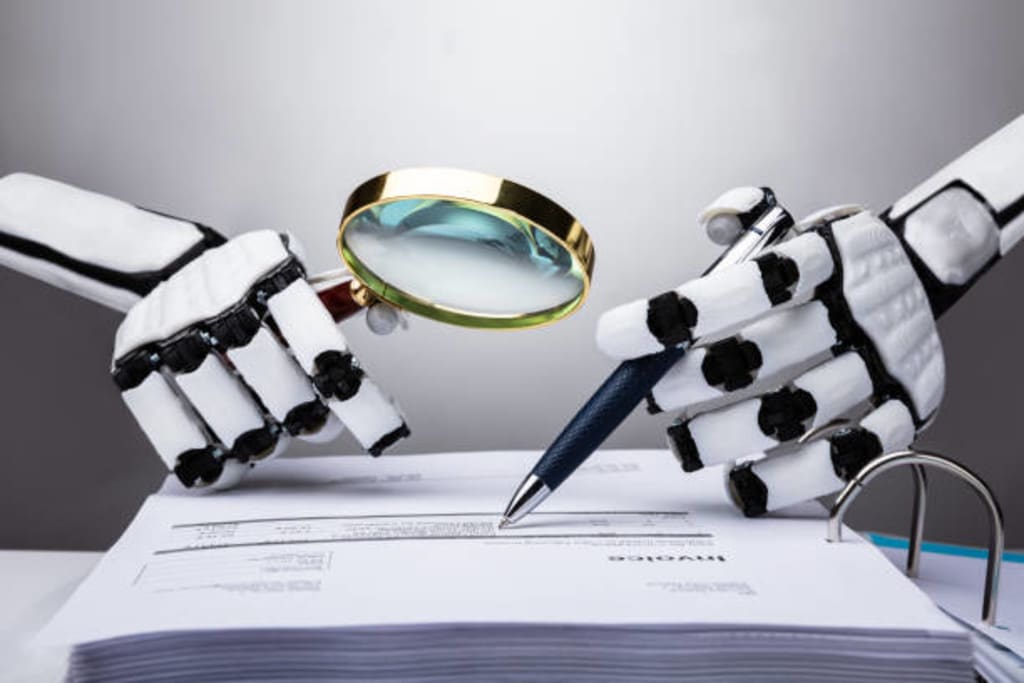
It used to be easy to spot writing by a robot. The phrasing was clunky, the rhythm was off, and it usually started with something like, “In today’s modern world…” But in 2025, things have changed. AI-generated text is getting so good, many people can’t tell the difference. And that’s exactly why a new type of tool has exploded in popularity: AI content detectors.
Whether you're a teacher worried about academic integrity, a hiring manager screening cover letters, or a publisher checking for originality, AI detection tools are quickly becoming essential. But how reliable are they really—and how do they work?
The New Landscape of AI Writing
Generative AI has taken over the internet by storm. People use it to write resumes, blog posts, Instagram captions, poetry, dating profiles—you name it. Platforms like ChatGPT, Claude, and Gemini can now mimic tone, adapt to writing styles, and even replicate human quirks with uncanny accuracy.
But with this rise comes a wave of unease. If everything online can be faked—ideas, opinions, even emotions—how do we know what’s real? That’s where AI detection tools step in.
What AI Detectors Actually Do
AI content detectors analyze text using different types of machine learning models. They look for signs that a human probably didn’t write what you’re reading. Common signals include:
- Low burstiness (predictable sentence length)
- High perplexity (overly consistent word choices)
- Lack of nuanced emotion or context
- Patterns that resemble known AI writing structures
Some tools even compare the suspected content against massive datasets of AI-generated outputs to find similarities.
One popular resource breaking down the top options this year is this Tumblr guide to the best AI detector tools in 2025. It compares accuracy, usability, and pricing for platforms like GPTZero, Writer.com, ZeroGPT, and more. It’s a helpful starting point—especially if you're not sure which tool fits your needs.
Real-World Applications
AI detectors aren’t just for the classroom. Here’s where they’re making a difference:
1. Education
Instructors at universities and even high schools are using detection tools to review essays and assignments. It’s not about punishment—it’s about preserving original thought and helping students learn to write for themselves.
2. Journalism and Publishing
Editors now run submitted articles through detectors to confirm they weren’t auto-generated. Authenticity matters in news media, especially with growing concerns about misinformation.
3. Hiring and HR
Some recruiters use AI detectors to screen cover letters and writing samples to ensure they reflect the applicant’s own work. It’s not foolproof, but it’s one more step toward informed decisions.
4. SEO and Content Marketing
Agencies and content creators are cautious, too. Google has hinted that AI-written content may not always perform well in rankings unless it delivers real value. Detection tools help maintain credibility.
The Limitations
While these tools are improving fast, they’re not perfect. A few things to keep in mind:
- False Positives Happen: Some human writing gets flagged as AI—especially if it's clean, grammatically correct, and formal.
- Evasion Techniques Exist: Ironically, people are now using "AI humanizers" to rewrite bot text and avoid detection.
- Bias Is Real: Non-native English speakers are more likely to be flagged, simply because their writing may resemble the structured tone of an AI.
So, while AI detection can be incredibly useful, it shouldn't be used in isolation. A flagged result is a prompt for deeper review—not instant proof.
Ethics and the Future
The question isn’t just about what’s written—it’s about who should be doing the writing. Is using AI inherently dishonest? Or is it just another tool, like a calculator or grammar checker?
Some argue that AI should be embraced as part of modern creativity. Others believe we risk losing critical thinking, nuance, and even identity if we rely on machines to speak for us. The answer likely lies somewhere in the middle—an ongoing negotiation between convenience and authenticity.
What to Look for in a Good Detector
Not all AI detection tools are created equal. If you're considering using one, here are a few features to prioritize:
- Clear scoring and explanation (so you know why something was flagged)
- Support for multiple file types and formats
- Regular updates to match evolving AI models
- Transparent privacy policies—especially for sensitive data
Conclusion: The Arms Race Is On
As AI becomes more human, humans are building tools to detect the machine behind the mask. It's a strange, fascinating loop—AI writing, detectors chasing it, then AI learning to evade detection, and so on.
For now, AI detectors are one of the best ways to preserve a sense of truth in digital spaces. But like all tools, they need context and responsibility. The question isn’t just "Did AI write this?" It’s also: "Does it matter?"
About the Creator
Keep reading
More stories from Karen Covey and writers in Writers and other communities.
Can You Trust AI Detectors?
AI is writing everything. From school essays to blog posts, it’s showing up in places most people don’t even realize. With that rise comes a natural question: how do you know what was written by a human and what was created by a machine?
By Karen Covey10 months ago in Writers
Instantly Translating Documents: Understanding the Role of Free PDF Translators
The speed of global communication has increased dramatically over the past few decades. Students read research from other countries, companies collaborate with international partners, and professionals regularly handle documents created in multiple languages. While this global exchange of information has many advantages, language differences can still create obstacles when working with written material.
By Abbasi Publisher2 days ago in Writers



Comments (1)
It’s great to have something that helps us keep the human touch in digital spaces.