
How to Use NAS for Centralizing Business Data
Using of NAS for Centralizing Business Data
How to Use NAS for Centralizing Business Data
In today’s digital landscape, businesses are continuously generating vast amounts of data, from customer information and financial reports to marketing assets and operational records. Managing and organizing this data effectively is crucial for productivity and decision-making. One of the most efficient ways to centralize business data is by utilizing Network Attached Storage (NAS). NAS serves as a dedicated storage solution, allowing businesses to store, manage, and access their data from a central location.
Understanding NAS for Centralized Data Management
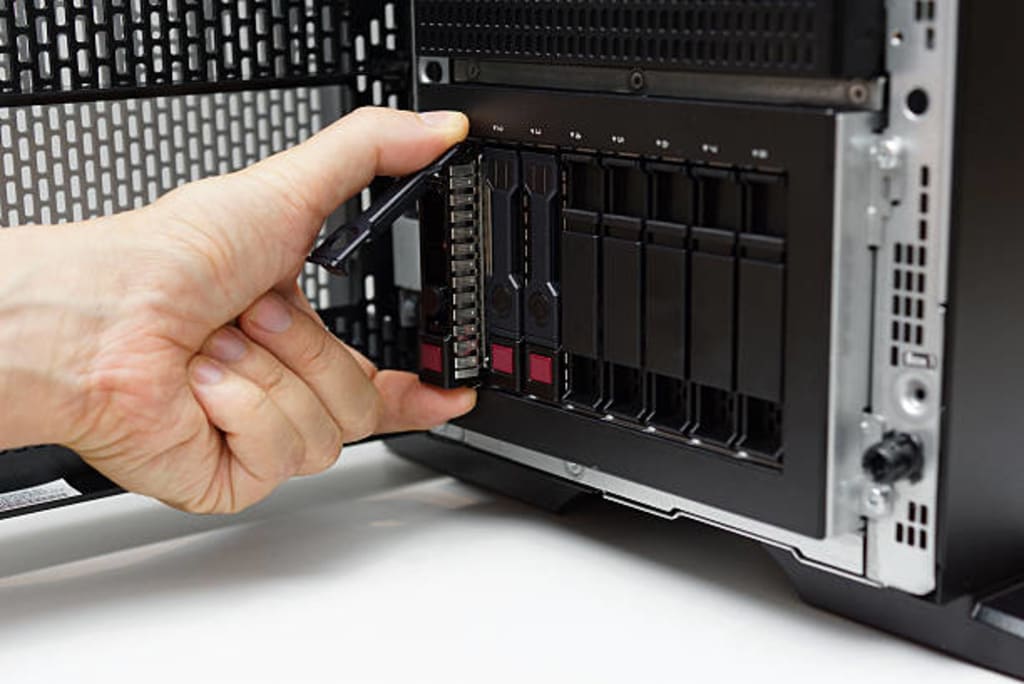
Network Attached Storage is a file-level storage device connected to a network that allows data to be stored and accessed by multiple users and devices simultaneously. NAS provides a central repository for all business data, eliminating the need for scattered storage across multiple devices or systems. By centralizing data, NAS simplifies data management and ensures that all essential information is stored securely and is accessible to those who need it.
One of the key advantages of NAS is that it enables businesses to create a cohesive storage system. Whether it's sales records, customer databases, or project files, NAS consolidates all of these resources in one place, streamlining access and reducing duplication of efforts.
Improving Data Accessibility with NAS
One of the major benefits of using NAS to centralize business data is the ease of accessibility it provides. Once data is centralized on a NAS device, employees can access it from anywhere on the network, whether they are in the office or working remotely. This level of accessibility enhances collaboration and ensures that all team members are working with the most up-to-date data.
NAS systems also support multiple users, meaning multiple employees can access and work with the same data simultaneously. This is particularly beneficial for departments like sales, marketing, and finance, where different team members often need access to the same information.
In addition to facilitating on-site access, many NAS devices offer remote access features. This enables businesses to securely access their data from any location with an internet connection, making it easier for employees who are traveling or working remotely to stay connected to the company’s information resources.
Data Backup and Redundancy
One of the most critical aspects of data centralization is ensuring that the data is secure and protected from loss. NAS devices offer built-in backup and redundancy features, which are essential for businesses looking to protect their critical data. Regular backups ensure that data is consistently saved, so if one copy is lost or corrupted, a backup version can be restored quickly.
NAS systems also offer RAID (Redundant Array of Independent Disks) configurations, which allow for data to be replicated across multiple hard drives. This provides a level of redundancy that protects against hardware failures. For example, if one drive in a NAS setup fails, the data remains accessible because it is stored on another drive. This feature minimizes downtime and ensures business continuity.
Streamlining Data Organization
Centralizing data using NAS allows businesses to streamline how they organize their files and information. Instead of scattering data across different servers or devices, a NAS solution enables businesses to categorize and index their data in a logical, structured way. This makes it easier to locate specific files, reducing the time spent searching for documents and improving overall workflow efficiency.
Data organization is particularly important for industries that manage large amounts of information, such as healthcare, legal, and financial sectors. NAS systems can be configured to meet specific data organizational needs, whether that involves sorting data by department, project, or type.
NAS systems often come with user-friendly management interfaces that allow administrators to configure permissions, access controls, and organization settings. This means that sensitive data can be restricted to specific departments or employees, ensuring that the right people have access to the right information without risking data breaches.
Enhancing Data Security
With the growing concerns over data security, NAS provides a robust solution for protecting business data. Many NAS devices offer advanced encryption options that ensure data is secure both in transit and at rest. Encryption prevents unauthorized users from accessing sensitive information, even if they manage to infiltrate the network.
NAS devices also support multiple layers of security, such as multi-factor authentication and user access control. By setting up individual user accounts and permissions, administrators can control who has access to specific files or folders. This is particularly important for businesses handling sensitive information, such as financial records or customer data, where strict access control is necessary to ensure compliance with regulations.
In addition to encryption and access control, NAS devices can also be configured to perform automatic security updates and virus scans, providing an extra layer of protection against malware and cyberattacks.
Scaling with Business Growth
One of the main advantages of using NAS for centralizing business data is its scalability. As businesses grow and data requirements increase, NAS systems can easily expand to accommodate more storage. Businesses are not limited to a fixed amount of storage; instead, they can add additional hard drives or upgrade their NAS device to meet their growing needs.
This flexibility makes NAS a cost-effective solution for both small and large businesses. Instead of investing in a completely new system when data needs increase, businesses can expand their existing NAS setup, saving time and resources.
Integration with Cloud Services
Many NAS devices offer integration with cloud storage services, enabling businesses to create a hybrid storage solution. By combining local NAS storage with cloud storage, businesses can achieve the best of both worlds. Frequently accessed data can be stored locally on the NAS for quick access, while less critical data can be archived in the cloud.
This hybrid approach provides additional backup and redundancy options, ensuring that data is protected even in the case of hardware failures or other disruptions. Cloud integration also allows for easier data sharing between remote locations or branches, making it ideal for businesses with multiple office locations.
Conclusion
NAS devices is an essential tool for businesses looking to centralize their data and improve data management. By providing a secure, scalable, and accessible storage solution, NAS helps streamline data organization, enhances security, and ensures business continuity. Whether a small business or a large enterprise, NAS offers the flexibility and efficiency needed to manage growing data needs while providing robust protection and access controls.
About the Creator
Network Attached Storage
Network Attached Storage (NAS) provides centralized, scalable, and secure data storage accessible over a network. Ideal for both businesses and individuals, NAS offers robust data protection, remote access, and easy file sharing.
Keep reading
More stories from Network Attached Storage and writers in Writers and other communities.
How Network Attached Storage Transformed a Small Business’s Data Management
In an era where data is the backbone of business operations and personal digital life, finding an efficient, secure, and scalable storage solution has never been more crucial. Enter Network Attached Storage (NAS), a technology that has transformed the way we store, access, and manage our data.
By Network Attached Storageabout a year ago in BookClub


Comments
There are no comments for this story
Be the first to respond and start the conversation.