
How to Integrate AI in Product Development for a Competitive Edge
In today’s fast-paced market, integrating Artificial Intelligence (AI) into product development isn’t just advantageous—it’s essential for maintaining a competitive edge.
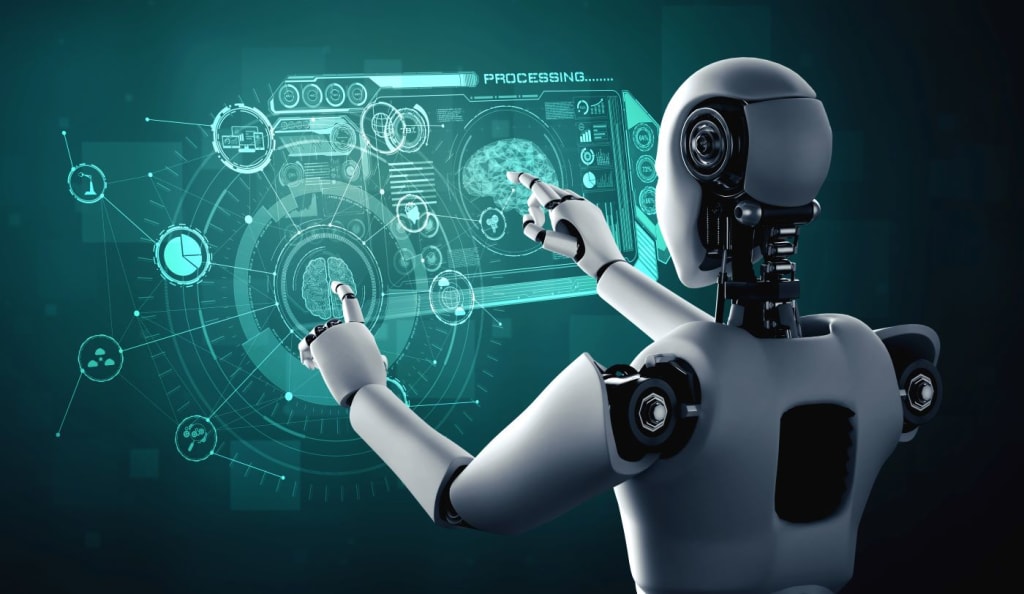
In today’s fast-paced market, integrating Artificial Intelligence (AI) into product development isn’t just advantageous—it’s essential for maintaining a competitive edge. Here’s a comprehensive guide on how to leverage AI effectively throughout your product development process:
1. Identify Opportunities for AI Integration
Start by identifying areas within your product development lifecycle where AI can add value. This could include market research, trend analysis, design optimization, quality testing, supply chain management, customer support, or predictive analytics.
2. Utilize AI for Data-Driven Insights
Harness AI algorithms to analyze large datasets and extract actionable insights. Use these insights to understand customer preferences, predict market trends, and optimize product features based on real-time feedback and historical data.
3. Enhance Personalization and User Experience
Implement AI-powered personalization techniques to tailor user experiences based on individual behaviors and preferences. From recommending products to customizing interfaces, personalized experiences drive customer satisfaction and loyalty.
4. Automate Repetitive Tasks
Automate routine tasks such as data entry, quality assurance, and customer service using AI-driven automation tools. This frees up valuable human resources to focus on strategic initiatives and creative problem-solving.
5. Optimize Design and Prototyping
AI-enabled design tools can accelerate prototyping and iteration processes by generating design variations, predicting performance outcomes, and identifying potential flaws early in development. This iterative approach ensures products meet quality standards and exceed customer expectations.
6. Improve Supply Chain Efficiency
Integrate AI into supply chain management to optimize inventory levels, predict demand fluctuations, and mitigate risks. AI algorithms enhance logistics planning and procurement strategies, ensuring seamless operations and reducing costs.
7. Enable Continuous Improvement
Utilize AI to monitor product performance, gather real-time feedback, and identify areas for improvement post-launch. Adaptive algorithms can suggest updates and enhancements based on evolving customer needs and market dynamics.
8. Foster Cross-Functional Collaboration
Promote collaboration between product development teams, data scientists, and AI experts to leverage diverse expertise. Cross-functional teams ensure AI initiatives align with strategic goals and deliver measurable business impact.
Conclusion
Integrating AI into product development empowers organizations to innovate faster, reduce costs, and deliver superior products that resonate with customers. By leveraging AI for data-driven insights, automation, personalized experiences, and continuous improvement, businesses can gain a significant competitive advantage in the marketplace.
Read More : https://techhorizonsolutions.blogspot.com/2024/07/how-to-integrate-ai-in-product.html
About the Creator
Keep reading
More stories from Aarav Gupta and writers in Writers and other communities.
How AI and Machine Learning are Transforming Product Development
Artificial Intelligence (AI) and Machine Learning (ML) have revolutionized numerous industries, and product development is no exception. Here’s a look at how AI and ML are reshaping the landscape of product development:
By Aarav Gupta2 years ago in Writers
Wild Card Weekend Recap: What Happens Now?
I think I figured out why I love Wild Card Weekend so much. It's because it's the first playoff anything of the calendar year. The NFL season starts in the fall, and once upon a time, the champion was crowned either on or slightly before New Year's. The evolution of the NFL schedule has resulted in the playoffs starting just into the New Year, and currently, the final week of the season falls on the first weekend of the New Year, with Wild Card Weekend coming a week after that. So yes, chronologically, the NFL's Wild Card Weekend serves as the first playoff anything of the calendar year.
By Clyde E. Dawkins7 days ago in Unbalanced



Comments
There are no comments for this story
Be the first to respond and start the conversation.