
How Sikkim Became India’s First Fully Organic State: A Sustainable Agriculture Model
The Roadmap to Organic Farming

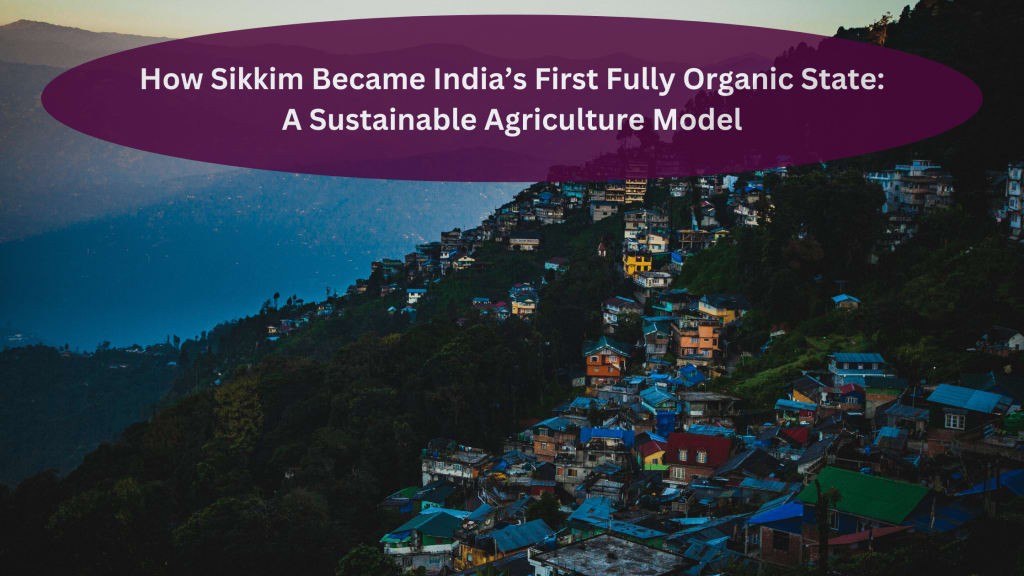
Sikkim has set a remarkable example in sustainable agriculture by becoming India’s first fully organic state. This achievement is the result of a decade-long commitment to chemical-free farming, eco-friendly policies, and strong government support. The transition to organic farming in Sikkim began with a clear vision to eliminate synthetic fertilizers and pesticides, ensuring healthier soil, water, and produce. Farmers were encouraged to adopt organic methods through training programs, subsidies, and a well-structured certification process.
The government played a crucial role in enforcing strict regulations against chemical inputs while providing incentives for organic cultivation. This shift not only preserved soil fertility but also improved biodiversity and ecological balance. Organic farming in Sikkim has led to better-quality crops, increased market demand, and improved farmer incomes. Additionally, the organic initiative boosted tourism, as people from across the world visit Sikkim to experience its clean and green environment.
The success of Sikkim’s organic farming model has inspired other Indian states to follow suit, proving that sustainable agriculture is not just beneficial for the environment but also economically viable. The state’s efforts in promoting organic food production have positioned it as a leader in eco-friendly farming, making it an ideal case study for future agricultural policies in India.
Sikkim’s transformation into India’s first fully organic state is a landmark achievement in sustainable agriculture. This small northeastern state successfully transitioned its entire farming system to organic methods, eliminating chemical fertilizers and pesticides while promoting eco-friendly agricultural practices. The initiative, which officially began in 2003, took over a decade to implement and was finally realized in 2016 when Sikkim was declared a fully organic state. This remarkable transformation was driven by government policies, farmer participation, and strong institutional support, making it a model for other regions seeking to adopt organic farming.
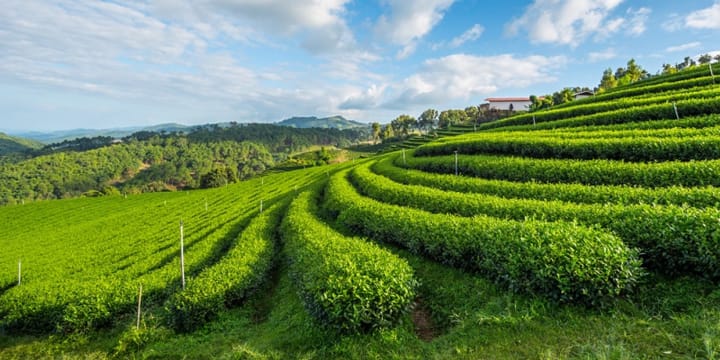
The key to Sikkim’s success was a well-structured roadmap that focused on phasing out chemical inputs and replacing them with organic alternatives. The state government provided training programs, financial incentives, and organic certification to farmers, ensuring that they could smoothly transition to sustainable agricultural practices. The Sikkim Organic Mission played a crucial role in guiding farmers and educating them about organic fertilizers, composting techniques, and natural pest control methods. This holistic approach not only improved soil fertility but also enhanced biodiversity and ecosystem health.
One of the major challenges in this transition was convincing farmers to abandon conventional farming methods and switch to organic techniques. Initially, many farmers were skeptical about whether organic farming would yield sufficient profits. However, over time, they realized the long-term benefits of organic cultivation, such as reduced input costs, higher soil productivity, and access to premium organic markets. The government also facilitated the distribution of organic produce by creating market linkages and branding Sikkim’s agricultural products as premium organic goods.
The economic benefits of organic farming in Sikkim have been significant. Organic produce from the state has gained recognition in both national and international markets, fetching higher prices compared to conventionally grown crops. The tourism sector has also benefited immensely, as Sikkim’s clean and green image attracts eco-tourists and organic food enthusiasts from around the world. The state's organic model has positioned it as a pioneer in sustainable agriculture, setting an example for other Indian states to follow.
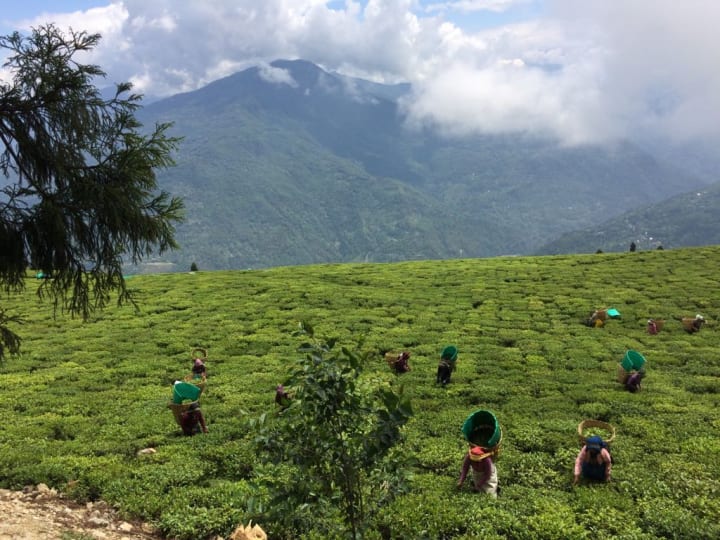
The environmental impact of Sikkim’s organic transformation has been equally impressive. The elimination of synthetic chemicals has led to cleaner water sources, improved soil health, and a safer ecosystem for pollinators and wildlife. Farmers no longer face health risks associated with chemical exposure, and consumers can enjoy healthier, chemical-free food. The state’s initiative has also contributed to climate resilience by promoting agroecological practices that enhance soil carbon sequestration and reduce greenhouse gas emissions.
Sikkim’s journey towards becoming a fully organic state demonstrates that large-scale organic farming is not only feasible but also economically and environmentally sustainable. Other states in India are now looking at Sikkim as a blueprint for adopting similar organic policies. By integrating traditional agricultural knowledge with modern organic techniques, Sikkim has successfully created a sustainable and profitable farming system. This achievement highlights the potential of organic agriculture in transforming food systems, improving rural livelihoods, and preserving natural resources for future generations.
About the Creator
Harisharan Devgan
Harisharan Devgan, a renowned organic farmer in India, leads Niche Group with a blend of traditional and modern techniques. His efforts support community growth and explore cannabis cultivation for affordable medicines for chronic diseases.
Keep reading
More stories from writers in Writers and other communities.
"The Lives We Carry Quietly"
I noticed them the way you notice someone without meaning to –when the room is too still and your mind starts counting small things. A waiting room has its own kind of silence, broken only by the hum of fluorescent lights and the shuffle of paperwork at the front desk. They sat a few chairs away, hands folded, eyes fixed on nothing in particular, as if they were trying not to take up space. There was a brief awkwardness in their eyes when another stranger entered.
By Jeannie Dawn Coffman2 days ago in Writers


Comments (2)
Get More on: https://harisharandevgan.com/indias-first-fully-organic-state/
Amazing organic state! Do they have organic everything? Wonderfully written! Gazoogabloga!