
How Secure Remote Access Solutions Can Improve Your Business’s Data Protection
Here's How Secure Remote Access Solutions Can Improve Your Business’s Data Protection
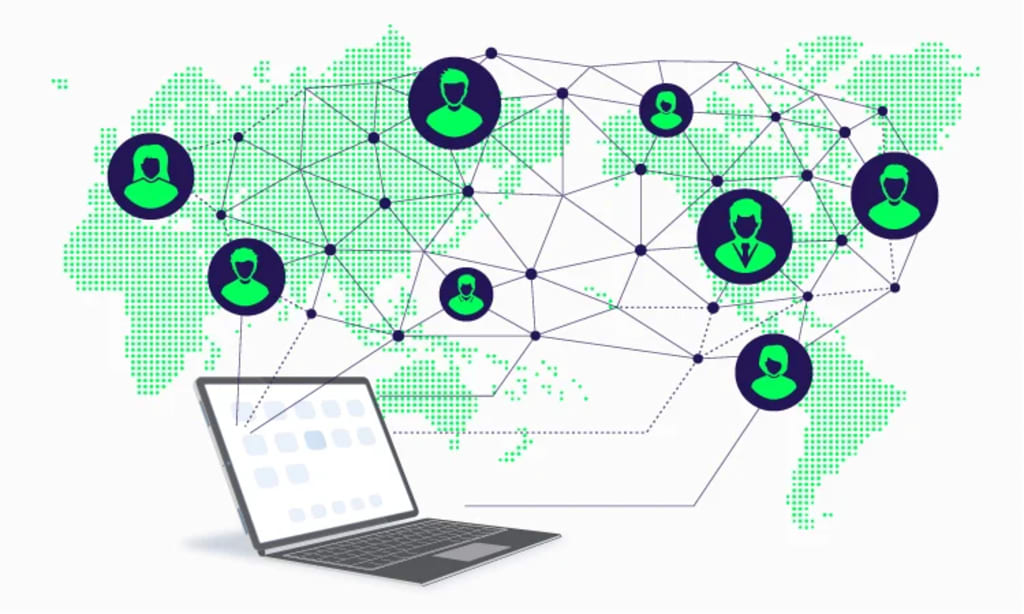
In today’s fast-paced digital landscape, businesses of all sizes are embracing remote work, cloud-based services, and global collaboration. While these trends offer enhanced flexibility and productivity, they also introduce new vulnerabilities and cyber risks. The need to access business-critical data and systems from remote locations has made organizations more susceptible to unauthorized access, data breaches, and cyberattacks. One of the most effective ways to counteract these risks is by implementing secure remote access solutions.
This article explores how secure remote access solutions not only facilitate seamless remote operations but significantly strengthen your business’s data protection strategy.
What is Secure Remote Access?
Secure remote access refers to technologies and practices that enable employees, partners, or third-party vendors to connect to a company’s internal network, applications, and resources securely, from outside the organization’s physical premises. It ensures that the data exchanged during remote sessions remains confidential, authenticated, and protected from cyber threats.
Key components of secure remote access typically include:
Virtual Private Networks (VPNs)
Multi-Factor Authentication (MFA)
Zero Trust Network Access (ZTNA)
Endpoint Security Tools
Secure Web Gateways
Access Control Policies
Why Is Data Protection Crucial in Remote Access?
Data is one of the most valuable assets for any business. Whether it’s customer information, financial records, proprietary data, or intellectual property, unauthorized access can lead to:
Data breaches
Legal penalties (due to non-compliance with regulations like GDPR, HIPAA)
Financial loss
Damage to brand reputation
Loss of customer trust
When employees work remotely, the usual perimeter-based security model becomes insufficient. Secure remote access solutions close the security gap by ensuring that only authorized users, devices, and applications can access sensitive business information, regardless of their location
Benefits of Secure Remote Access for Data Protection
1. Encryption of Data Transmission
One of the primary ways secure remote access solutions protect business data is through end-to-end encryption. Technologies like VPNs create encrypted tunnels between the user’s device and the corporate network, ensuring that any data transmitted cannot be intercepted by malicious actors.
Without encryption, data packets can be easily sniffed, altered, or stolen during transmission over public or insecure Wi-Fi networks. By encrypting all communication, businesses minimize the risk of man-in-the-middle attacks, eavesdropping, and unauthorized data exposure.
2. Stronger Authentication Mechanisms
Passwords alone are no longer sufficient to guarantee secure access. Secure remote access solutions typically incorporate Multi-Factor Authentication (MFA), which requires users to verify their identity using two or more factors:
Something they know (password or PIN)
Something they have (security token or mobile device)
Something they are (biometric verification like fingerprint or facial recognition)
MFA dramatically reduces the likelihood of unauthorized access, even if login credentials are compromised. It adds an extra layer of protection, particularly valuable in preventing credential-stuffing attacks and phishing scams.
3. Role-Based Access Controls (RBAC) and Least Privilege Principle
Secure remote access solutions often integrate with Identity and Access Management (IAM) systems that allow businesses to enforce role-based access control (RBAC). This ensures that each user has access only to the specific data and systems required for their role — no more, no less.
By implementing the least privilege principle, businesses limit the potential damage in case a user account is compromised. It prevents attackers from gaining access to sensitive information or critical infrastructure by exploiting excessive user permissions.
4. Zero Trust Architecture
Traditional security models often rely on the assumption that everything inside the corporate network is trustworthy. However, with remote work and cloud computing blurring the boundaries, this approach is no longer viable.
Zero Trust Network Access (ZTNA) solutions are at the core of modern secure remote access strategies. Under Zero Trust:
Every access request is verified, regardless of whether it originates inside or outside the network.
Continuous monitoring is performed, and access decisions are based on real-time risk assessments.
Trust is never implicitly granted based on location, device, or credentials.
This “never trust, always verify” approach minimizes insider threats and lateral movement of attackers within the network, strengthening overall data protection.
5. Endpoint Security and Device Compliance
Remote workers often use personal devices or non-corporate networks to access company resources, introducing risks like malware infections, outdated software, or unsecured configurations.
Secure remote access solutions integrate with Endpoint Detection and Response (EDR) tools to:
Monitor endpoints for suspicious activities
Ensure devices meet security compliance policies (e.g., OS updates, antivirus protection)
Restrict access from non-compliant or potentially compromised devices
This proactive approach protects corporate data by reducing vulnerabilities at the endpoint level.
6. Monitoring, Logging, and Incident Response
Another critical advantage of secure remote access solutions is centralized logging and monitoring of all access activities. By tracking user logins, data transfers, and system interactions, businesses can:
Detect anomalous behavior or unauthorized access attempts in real-time
Respond quickly to potential security incidents
Maintain audit trails for compliance purposes
Advanced tools may leverage Artificial Intelligence (AI) and Machine Learning (ML) to analyze access patterns and flag suspicious activities before they escalate into full-blown breaches.
7. Business Continuity and Disaster Recovery
Secure remote access solutions play a vital role in maintaining business continuity during unexpected disruptions such as natural disasters, pandemics, or cyberattacks. By allowing employees to securely access business-critical data and applications from any location, businesses can:
Minimize downtime
Ensure data availability
Prevent loss of productivity
Safeguard sensitive information even during crises
Moreover, integrated backup and disaster recovery solutions ensure that data remains recoverable, encrypted, and protected from ransomware attacks or accidental loss.
Compliance and Regulatory Benefits
In addition to enhancing security, secure remote access solutions assist businesses in meeting various regulatory and industry compliance requirements, such as:
GDPR
HIPAA
PCI DSS
ISO 27001
Compliance mandates often require businesses to implement data encryption, access controls, audit trails, and incident response mechanisms — all of which are inherent in secure remote access solutions.
Conclusion
The shift towards remote work and digital collaboration is irreversible. However, it comes with its own set of data protection challenges. Secure remote access solutions bridge the gap by offering encryption, strong authentication, access controls, endpoint protection, and continuous monitoring.
By investing in robust secure remote access technologies and adhering to security best practices, businesses not only safeguard sensitive data but also build customer trust, ensure compliance, and maintain operational resilience in an increasingly connected world.
Data security is no longer optional — it’s a business imperative. Secure remote access is the key to unlocking both flexibility and protection.
About the Creator
Keep reading
More stories from kidal lida and writers in Writers and other communities.
How Do I Secure Remote Access for Cloud-Based Systems?
In today's digital age, cloud-based systems have become the backbone of many businesses. They offer scalability, flexibility, and accessibility that traditional on-premises solutions can't match. However, as organizations increasingly move their critical operations and sensitive data to the cloud, ensuring secure remote access becomes a top priority. Without the right security measures, businesses expose themselves to cyber threats such as unauthorized access, data breaches, and ransomware attacks. This article explores best practices and key strategies to secure remote access for cloud-based systems.
By kidal lida11 months ago in Writers
Instructions Included Challenge Winners
For the Instructions Included challenge, we asked writers to tell a story through instructions and to trust the form to carry what could not be said outright. Across the top entries, that trust paid off in many different ways.
By Vocal Curation Teamabout 15 hours ago in Resources


Comments
There are no comments for this story
Be the first to respond and start the conversation.