
How Have Textile Weaving Machines Evolved Over Time?

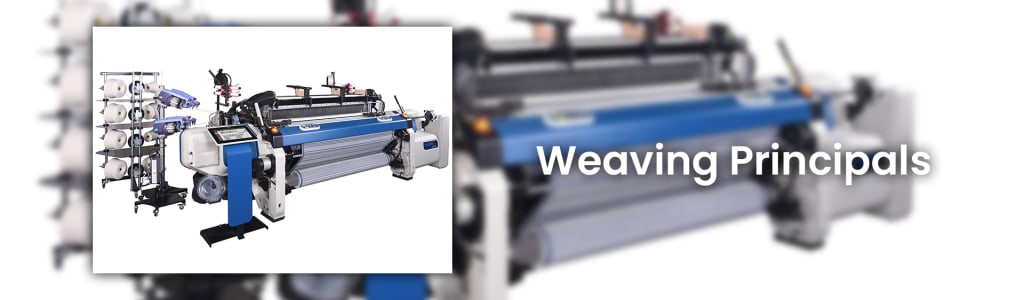
The history of textile weaving machines is a testament to human ingenuity and innovation. From the earliest hand-operated looms to the modern automated weaving machines, the evolution of this technology has transformed the textile industry. Piotex Ventures, a leader in textile machinery solutions, has been at the forefront of this evolution, driving advancements that have revolutionized fabric production.
Benefits:
1.Increased Efficiency: Over time, advancements in textile weaving machines have led to significant improvements in efficiency, enabling higher production rates and reduced labor costs.
2.Improved Quality: Modern weaving machines offer greater precision and control over the weaving process, resulting in higher-quality fabrics with consistent patterns and textures.
3.Cost Reduction: The evolution of weaving machines has resulted in cost savings for textile manufacturers through reduced labor costs, optimized material usage, and increased production efficiency.
4.Enhanced Design Capabilities: With the development of computerized control systems and advanced weaving techniques, modern weaving machines can produce intricate designs and patterns that were previously difficult or impossible to achieve.
5.Sustainability: The latest weaving machines incorporate sustainable practices such as energy efficiency, waste reduction, and eco-friendly materials, aligning with the growing demand for environmentally conscious manufacturing processes.
Types:
Handloom: The earliest form of weaving machine, handlooms were operated manually and required significant physical effort from the weaver. Despite their simplicity, handlooms laid the foundation for textile production and remained in use for centuries.
Mechanical Looms: The Industrial Revolution brought about the development of mechanical looms powered by steam engines or water wheels. These looms mechanized the weaving process, increasing productivity and laying the groundwork for future advancements.
Automatic Looms: In the late 19th and early 20th centuries, automatic looms equipped with mechanisms for shuttle movement and warp insertion revolutionized the textile industry. These looms reduced the need for manual intervention and further improved weaving efficiency.
Shuttleless Looms: Shuttleless looms, introduced in the mid-20th century, eliminated the need for a shuttle to carry the weft yarn across the warp threads. Types of shuttleless looms include air jet, water jet, rapier, and projectile looms, each offering unique advantages in terms of speed, versatility, and fabric quality.
Computerized Weaving Machines: The advent of computerized control systems in the late 20th century marked a significant milestone in weaving machine evolution. Computerized looms enable precise control over weaving parameters, allowing for complex designs, rapid changeovers, and real-time monitoring of production processes.
FAQs (Frequently Asked Questions):
1.What were the major milestones in the evolution of textile weaving machines?
_The transition from handloom to mechanical looms, the development of automatic looms, and the introduction of shuttleless and computerized looms are key milestones in weaving machine evolution.
2.How did the Industrial Revolution impact the development of textile weaving machines?
_The Industrial Revolution fueled advancements in weaving technology, leading to the mechanization and automation of the weaving process and increasing textile production capacity.
3.What role did innovation play in the evolution of weaving machines?
_Innovation drove the evolution of weaving machines by introducing new technologies, materials, and techniques to improve efficiency, quality, and sustainability in fabric production.
4.How have weaving machines adapted to changing consumer demands and market trends?
_Weaving machines have evolved to meet changing consumer preferences and market demands by offering greater design flexibility, faster production speeds, and enhanced sustainability features.
5.What are the future trends in textile weaving machine development?
_Future trends in weaving machine development include further automation, integration of smart technologies, enhanced sustainability practices, and customization options to meet diverse market needs.
Conclusion:
The evolution of textile weaving machines is a testament to human innovation and the relentless pursuit of progress in the textile industry. From humble handlooms to sophisticated computerized weaving machines, the journey of weaving technology has been characterized by continuous improvement and adaptation to changing needs and technological advancements. Piotex Ventures remains committed to driving innovation in textile machinery solutions, shaping the future of fabric production and contributing to the ongoing evolution of the industry. As weaving machines continue to evolve, they will play an increasingly integral role in meeting the demands of a dynamic and rapidly changing global market.
About the Creator
Piotex Textile Company
Piotex Textech Pvt. Ltd. is an Indian professional textile marketing firm. This textile company is mainly in trading and agency business for machines & accessories for spinning, weaving, etc.
Keep reading
More stories from Piotex Textile Company and writers in Writers and other communities.
How Have Textile Weaving Machines Evolved Over Time?
The history of textile weaving machines is a testament to human ingenuity and innovation. From the earliest hand-operated looms to the modern automated weaving machines, the evolution of this technology has transformed the textile industry. Piotex Ventures, a leader in textile machinery solutions, has been at the forefront of this evolution, driving advancements that have revolutionized fabric production.
By Piotex Textile Company2 years ago in Writers



Comments
There are no comments for this story
Be the first to respond and start the conversation.