
How Do Stone Crusher Plants Handle Different Rock Types Like Granite, Limestone, and Basalt?
Stone Crusher Plants Handle Different Rock Types

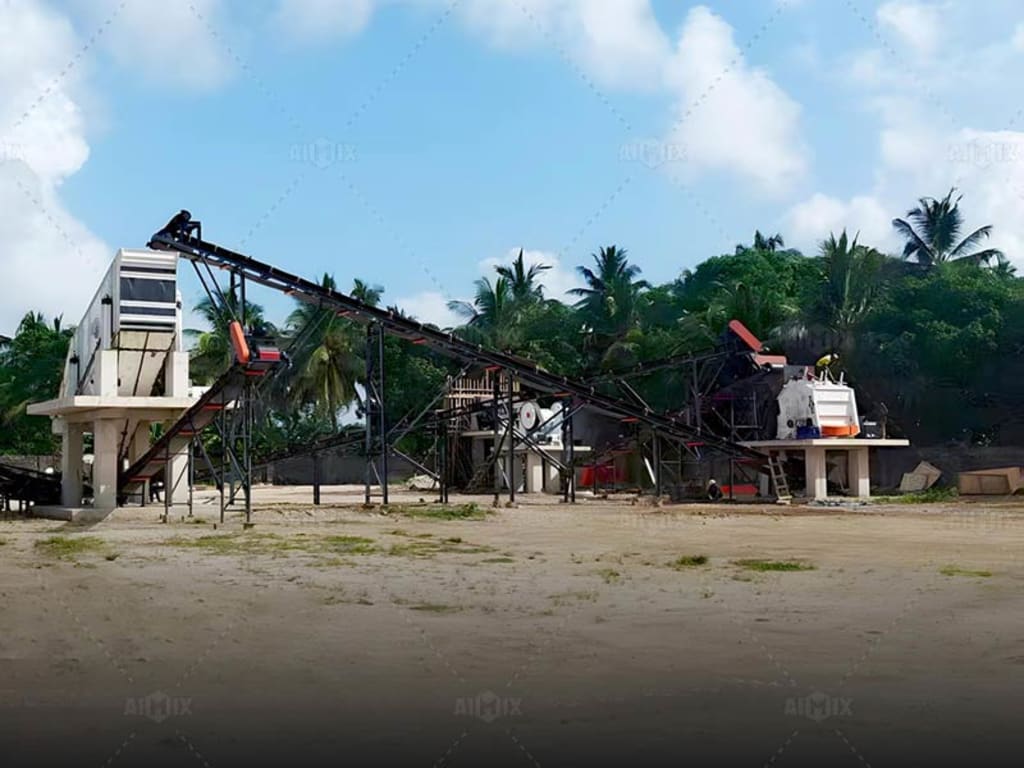
Crushing operations in stone processing plants vary significantly depending on the type of rock being processed. Granite, limestone, and basalt each present distinct challenges due to their unique compositions and mechanical properties. Efficiently handling these materials requires a strategic approach, incorporating specialized crusher configurations and operational techniques to optimize output while minimizing wear and energy consumption.
Understanding Rock Variability in Crushing Operations
The mechanical characteristics of a rock dictate how it responds to crushing forces. Granite, a dense igneous rock with high silica content, exhibits extreme hardness and low porosity. This composition makes it resistant to fragmentation but also increases abrasiveness, accelerating wear on crushing equipment. Basalt, another igneous rock, shares similar durability but contains a fine-grained structure with a high degree of interlocking mineral bonds, requiring precise crushing techniques.
Limestone, in contrast, is a sedimentary rock with lower compressive strength and higher friability. It fractures more easily under pressure, making it suitable for impact-based crushing methods. The lower abrasiveness of limestone also reduces operational wear, making it an economically favorable material in large-scale aggregate production. Understanding these distinctions is critical for optimizing stone crusher plant performance.
Crusher Configurations for Efficient Processing
Jaw, Cone, and Impact Crushers for Different Rock Types
Selecting the appropriate crusher type depends on the material’s hardness, compressive strength, and desired final product size. Jaw crushers provide the necessary primary crushing power for granite and basalt, leveraging high compressive force to break large, dense stones into manageable sizes. However, due to their limited ability to produce finer aggregates, jaw crushers often require secondary or tertiary processing.
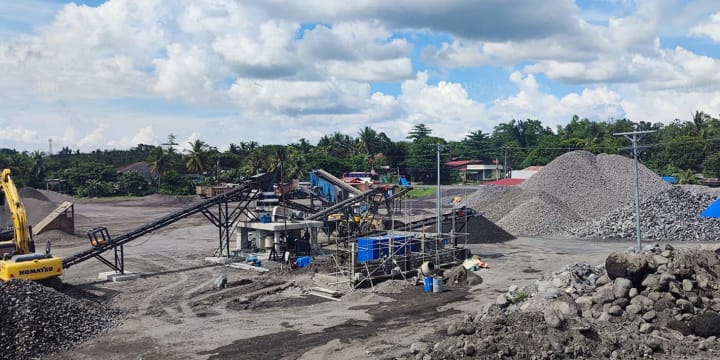
Cone crushers are particularly effective for high-strength rocks like granite and basalt, offering controlled reduction with minimal fines production. Their ability to exert continuous compressive force allows for precise particle shaping, crucial for high-quality aggregates. Limestone, being more brittle, benefits from impact crushers, which utilize rapid rotational forces to achieve efficient fragmentation. Impact gravel crushers excel in producing well-graded aggregates suitable for concrete and asphalt applications.
Adjusting Crusher Settings for Optimal Performance
Fine-tuning crusher settings is essential for accommodating different rock properties. Granite and basalt require lower feed rates and higher crushing pressures to ensure gradual fragmentation, reducing excessive wear on machine components. Adjustable mantle and concave configurations in cone crushers allow for precise control over output size and shape.
For limestone, higher rotor speeds in impact crushers increase crushing efficiency while reducing oversized material. Additionally, pre-screening techniques help separate unwanted fines, ensuring that only appropriately sized material enters the crushing chamber. These adjustments enhance productivity and reduce unnecessary energy consumption.
Operational Considerations and Wear Management
Strategies to Minimize Equipment Wear
The abrasiveness of granite and basalt significantly impacts wear rates in crushers. Utilizing wear-resistant materials, such as manganese steel liners and carbide-reinforced components, extends equipment longevity in high-impact environments. Regular rotation of wear parts ensures even distribution of stress, preventing localized damage and premature failure.
For limestone crushing, where wear is less severe, optimizing feed consistency prevents fluctuations in throughput that could strain crusher components. Dust suppression measures, such as water spraying systems, help mitigate airborne particulates that contribute to mechanical degradation over time.
Importance of Maintenance in High-Impact Crushing Environments
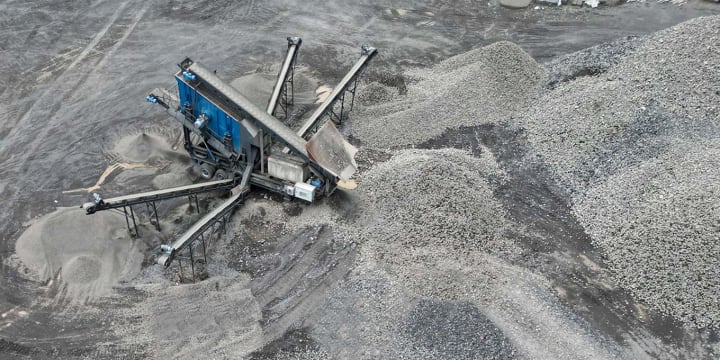
Routine maintenance is critical for sustaining efficiency in stone crusher plants. Granite and basalt crushers require frequent inspections of wear components, including jaw plates, mantles, and impact bars, to prevent operational inefficiencies. Scheduled lubrication of bearings and hydraulic systems reduces frictional losses, preserving mechanical integrity.
For limestone crushers, periodic checks on rotor alignment and hammer wear ensure uniform crushing performance. Automated monitoring systems provide real-time diagnostics, allowing operators to detect potential issues before they escalate into costly downtime. By implementing proactive maintenance strategies, stone crusher plants can maintain optimal output levels while extending the operational lifespan of their equipment.
Handling different rock types effectively requires a nuanced approach that aligns crusher selection, configuration, and maintenance strategies with material properties. Through precision engineering and operational foresight, stone processing plants can maximize efficiency while mitigating the challenges posed by varying rock characteristics.
About the Creator
Aimixmachine
AIMIX is a customer-center-oriented heavy equipment manufacturer and supplier, devoted to production, innovation, combination, one-stop solution, etc.
Keep reading
More stories from Aimixmachine and writers in Writers and other communities.
How Limestone Crushers Ensure Consistent Quality in Cement Manufacturing
Limestone, a crucial component in cement production, must be processed with exceptional precision to maintain the consistency and quality of the final product. Ensuring uniformity in the size and composition of crushed limestone is a critical step in the manufacturing process. Limestone crusher play a fundamental role in achieving this goal, allowing cement manufacturers to produce a product that meets stringent specifications. By optimizing the crushing process, these machines ensure that the raw material is consistently prepared for the next stages of production.
By Aimixmachine11 months ago in Writers



Comments