
How Cloud Mining Is Changing Access to Bitcoin Mining Worldwide
Understanding Cloud Mining and Digital Asset

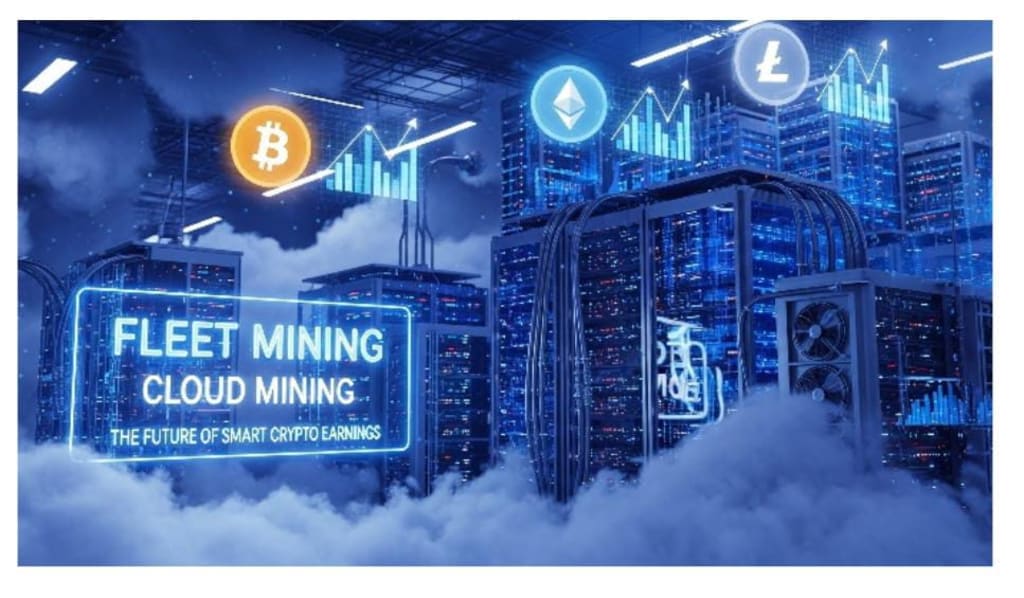
The evolution of cryptocurrency has reshaped the way individuals interact with digital assets, and mining is no longer limited to those with technical expertise or access to expensive hardware. In recent years, cloud mining has emerged as an alternative model that lowers entry barriers and allows broader participation in blockchain networks. By shifting the technical workload to professional data centers, cloud mining has become a topic of growing interest within the crypto ecosystem.
This shift reflects a broader trend in technology: simplifying complex systems so that more people can engage with them without managing infrastructure directly.
Understanding the Basics of Cloud Mining
Traditional cryptocurrency mining requires specialized hardware, high electricity consumption, and ongoing technical maintenance. These requirements often make individual mining impractical, especially in regions with high energy costs or limited access to equipment.
Cloud mining changes this structure by allowing users to rent computing power hosted in remote data centers. Instead of operating machines themselves, participants rely on third-party providers that manage hardware, cooling systems, energy optimization, and network connectivity. In return, users receive mining rewards proportional to the computing power they allocate.
This model removes many logistical challenges while maintaining participation in the mining process.
Why Cloud Mining Has Gained Popularity
Several factors have contributed to the growth of cloud mining platforms:
One key factor is accessibility. Individuals who are curious about mining but lack technical skills can participate without learning complex setup procedures. Another factor is cost predictability. Rather than facing unpredictable electricity bills and maintenance expenses, cloud mining typically offers predefined service structures.
Additionally, the rise of large-scale data centers has improved mining efficiency. These facilities are often located in regions with favorable energy conditions and optimized cooling environments, reducing operational waste compared to home-based mining setups.
The Role of AI and Automation in Modern Mining
Modern cloud mining operations increasingly rely on artificial intelligence and automation. AI systems are used to monitor network difficulty, optimize hardware performance, and allocate computing resources efficiently. Automation also reduces downtime by identifying issues before they lead to system failures.
These technologies allow mining operations to adapt quickly to changing blockchain conditions. As mining difficulty fluctuates and network demands evolve, automated systems can rebalance workloads in real time, improving stability and consistency.
Some platforms in the industry, such as FleetMining, have incorporated AI-driven infrastructure into their operations as part of this broader technological shift. However, this approach is not unique to any single provider and reflects a wider trend across cloud-based mining services.
Security and Transparency Considerations
Security remains one of the most important concerns in any crypto-related activity. Reputable cloud mining platforms invest heavily in data protection, encryption protocols, and operational monitoring to safeguard both infrastructure and user information.
Transparency is equally important. Clear reporting on system performance, operational status, and mining activity helps build trust in an industry that has historically faced skepticism. Dashboards, usage reports, and real-time monitoring tools have become standard features across many platforms, enabling users to understand how systems function without accessing the hardware directly.
Limitations and Risks to Consider
Despite its advantages, cloud mining is not without challenges. Users must rely on third-party operators, which introduces counterparty risk. If a provider fails to manage operations responsibly, users may experience reduced returns or service interruptions.
Market volatility also plays a role. Mining outcomes are influenced by cryptocurrency prices, network difficulty, and regulatory changes. Cloud mining does not eliminate these risks; it simply shifts the technical burden away from the individual.
For this reason, cloud mining is often viewed as an educational or experimental entry point rather than a guaranteed financial strategy.
Cloud Mining in the Broader Blockchain Ecosystem
As blockchain adoption continues to expand, cloud mining represents one of many ways individuals engage with decentralized networks. It sits alongside staking, node operation, and decentralized finance as part of a growing range of participation models.
The long-term role of cloud mining will likely depend on regulatory clarity, technological improvements, and market maturity. As energy efficiency and sustainability become central topics in crypto discussions, professionally managed data centers may play a larger role in shaping responsible mining practices.
Final Thoughts
Cloud mining reflects an ongoing effort to make blockchain participation more accessible and manageable. By removing hardware barriers and integrating automation, the model has opened doors for individuals who would otherwise remain on the sidelines of mining activity.
While it is not a solution for everyone, cloud mining continues to evolve as part of the wider cryptocurrency landscape. Understanding how it works, its benefits, and its limitations allows readers to engage with the topic more thoughtfully and critically as digital technologies continue to reshape financial systems worldwide
About the Creator
Abbasi Publisher
I’m a dedicated writer crafting clear, original, and value-driven content on business, digital media, and real-world topics. I focus on research, authenticity, and impact through words
Keep reading
More stories from Abbasi Publisher and writers in Writers and other communities.
Top Sous Vide Manufacturers: Best Brands for Precision Cooking in 2026
Introduction: Sous vide cooking has revolutionized the way we prepare food, providing unmatched precision and consistency. As a cooking method that involves immersing food in a water bath at a controlled temperature, sous vide guarantees perfect results every time. The key to great sous vide cooking lies in the equipment, and choosing the right sous vide machine from reputable sous vide manufacturers is essential for achieving optimal results. In this article, we’ll explore the top sous vide manufacturers, their products, and offer tips on selecting the best sous vide equipment for your needs.
By Abbasi Publisher2 months ago in Writers
Unofficial Challenge: Black History Celebration
Forward: February 28th, 10:53 PM, EST... The final hour of Black History Month, 2026. Hello fellow writers. I've had this challenge waiting in my drafts for most of the month. But I held off on publishing it, until now.
By Sam Spinelli5 days ago in Writers
Purpose and Progress: Advancing Your Counseling Career with Passion and Practical Strategy
A meaningful counseling career begins with clarity of intention. When you identify what initially drew you to the profession, whether it was advocacy, trauma recovery, family systems work, or community mental health, you reconnect with the deeper motivations that sustain long-term commitment. Therefore, dedicating time to reflect on your values, preferred client populations, and desired impact strengthens your professional direction. Without this reflection, it becomes easy to accept roles solely based on availability or financial necessity, which may gradually distance you from your true calling.
By Debra Bailey PHD4 days ago in Writers


Comments
There are no comments for this story
Be the first to respond and start the conversation.